
 Abhiroop Das
Co-created by Luis Cámara and Gabrielle Galanter, Netflix’s ‘Santita’ follows Dr. María José “Santita” Cano, who, as a medical student, got into a terrible car accident that left her unable to walk. Not long after, she cut ties with her partner, Alejandro, on their wedding day. Starting anew, she decided to devote herself to her OB-GYN practice, and now, 20 years later, she is a master of the field. However, with the number of charity cases piling up, and her own gambling troubles catching up faster than she thought, Santita’s life is at an impasse.
Just when Santita believes things cannot get any more frustrating, Alejandro returns to her life, for better or for worse. The two decades have significantly changed him as well, and as the two try to reunite and test their chemistry amidst these changed circumstances, Santita finds herself questioning her own identity as a doctor and as a human. In capturing this journey, the Spanish-language romance drama series simultaneously zooms in on Mexico’s medical landscape and on the human element that binds all the characters together.
Santita is an Invented Tale That Deals With the Contemporary Realities of Mexico
‘Santita’ is a fictional story penned by writers Luis Cámara and Gabrielle Galanter, which ties together several socially relevant topics into a single narrative. Given that the story is about an obstetrician-gynecologist on a quest for love, the majority of the plot beats center on doctors. In doing so, it reimagines a specific point in the contemporary era, both when it comes to space and time. The show appears to be set in 2019 in the city of Tijuana, the westernmost city in the Baja California region of Mexico. As it stands, the show’s timeline plays very specifically into the city’s legal history.
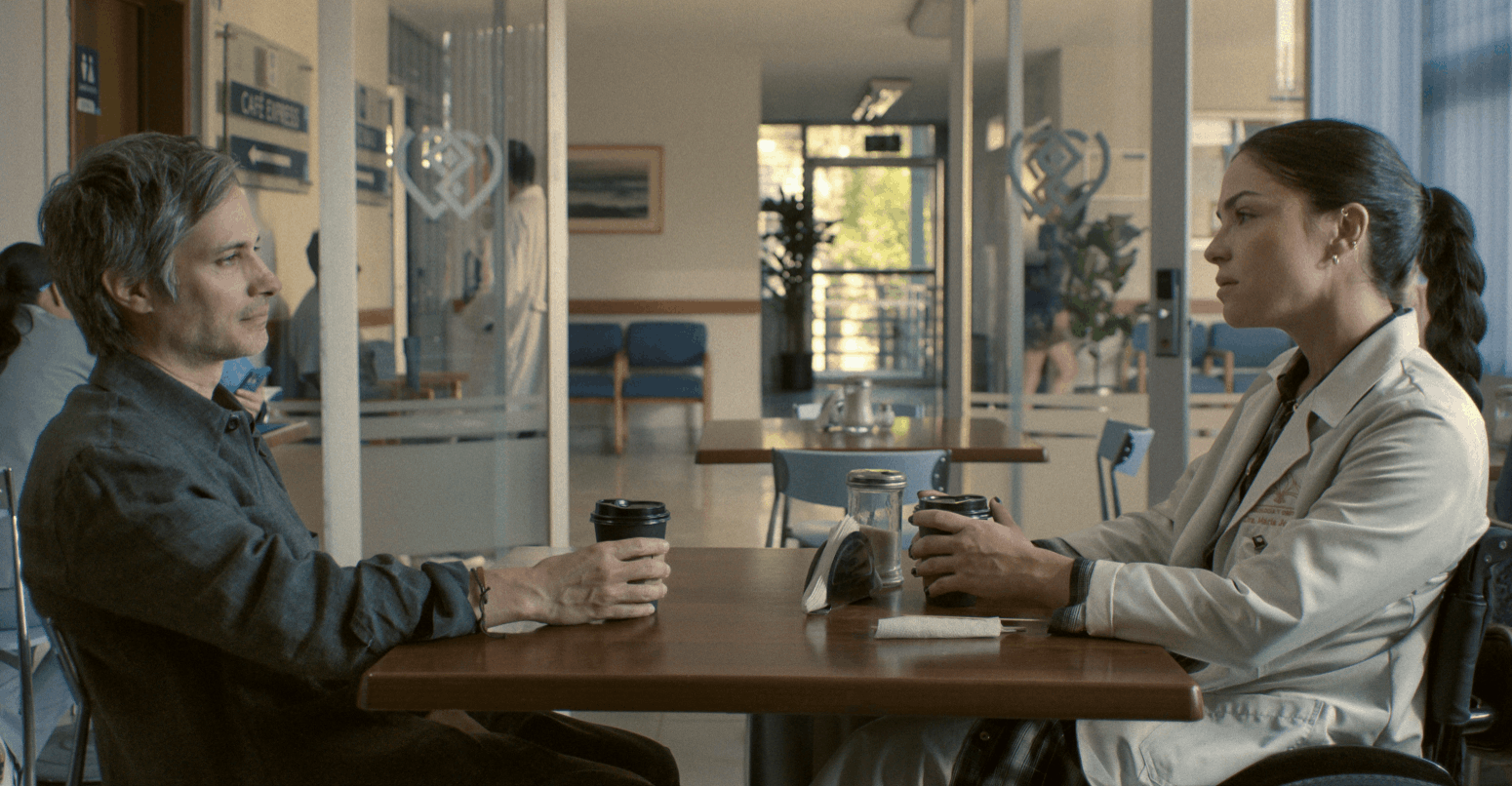
In ‘Santita’, the eponymous protagonist often conducts illegal, free abortions in her clinic, knowing that she might land in trouble at any given moment. This is in line with how abortions were illegal in Baja California up until 2021, when the Supreme Court of Mexico ruled that penalizing abortion is an unconstitutional act, regardless of the stage of pregnancy. On October 29, 2021, Baja California legalized abortion on request for up to the first 12 weeks of pregnancy, with the decision coming into effect on November 13 of the same year and marking a landmark precedent across the country. The story of ‘Santita’ is deliberately set in the years prior to this legalization effort and shines a light on the many challenges that came along the way.
A 2013 report by the Guttmacher Institute found that, prior to the nationwide legalization, roughly 54% of all unintended pregnancies in Mexico ended with induced abortion, which roughly totals up to a million abortions a year. The study also noted that there was a lack of sexual and reproductive health awareness and access to resources, with 27% of sexually active women between the ages of 15 and 24 not using any methods of contraception. In the years since, significant changes have been made to make abortion more accessible, with the Observas project reporting 71,989 confirmed abortion services by the state in 2024.
Santita Uses Fiction to Illustrate the Life of a Doctor With a Disability
Another significant element of ‘Santita’ is that the main character uses a wheelchair, and the show explores the full breadth of her experiences as a person with a mobility disability. As per a 2021 study in JAMA Network Open, only 3% of the U.S.’s physicians have a disability, which can be seen as severe underrepresentation when taking into consideration the Centers for Disease Control and Prevention 2025 report stating that almost 29% of the nation’s adults have some form of disability. In the show, discrimination on the basis of a disability becomes a prominent theme, especially when it comes to the medical context. While Santita’s journey might be invented from scratch, it is possibly influenced by the crew’s research into how things are in real life.
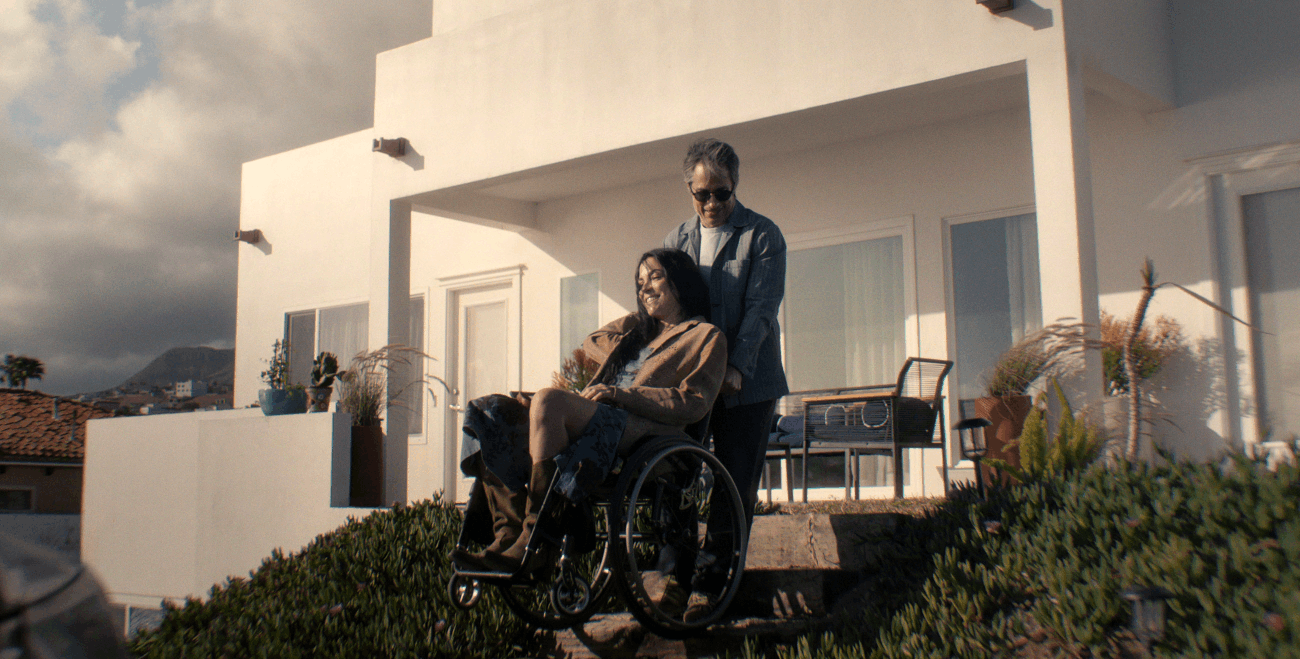
Director Rodrigo García and his team drew inspiration from insights from within the community, particularly from an unnamed woman dedicated to advocating for the rights of people with disabilities. A lot of research also went into creating a grounded portrayal of Santita’s sex life, García noted in a conversation with Variety. Describing the character of Santita, he explained, “This is someone who, because of her disability, has not had an orgasm for close to two decades, but she knows that some women with similar injuries do reach orgasm. So, she has been searching for it.” In adding these nuances to her Santita, García and the writing team conceived a character who defies stereotypes often attached to women and people with disabilities in storytelling.

