
 Abhiroop Das
Helmed by Freddy Macdonald, ‘Sew Torn’ strings together the many ways in which a day in the life of Barbara Duggen can pan out. As a mobile seamstress on the brink of bankruptcy, when she finds a briefcase full of money left in the wake of a drug deal gone wrong, she is tempted to make a daring choice. However, from there, the narrative diverges to chronicle how each decision can drastically alter the course of her life. Before long, her attempt at becoming richer turns into a desperate bid for survival, and she has to bring forth every skill at her disposal to create an escape out of this cycle. The ending of this dark comedy thriller is as unique as its premise, showcasing how one’s destiny can be interpreted as merely the sum of their choices. SPOILERS AHEAD.
Sew Torn Plot Synopsis
Sew Torn begins with a collage of Barbara Duggen dying in three different ways. In one scene, she is shot in a forest, in another, she lies handcuffed and bleeding out, and in a third scene, she awaits her death in a burning building. With all of these scenarios being connected to her choices, the story returns to her daily life. We learn that Barbara is a mobile seamstress who specializes in creating talking portraits, which are knitted portraits with an audio recording hidden inside them that can be accessed by tugging on a thread. Her own house is full of these ingenious constructs, all of which seem to carry recordings of her deceased mother. Barbara’s first job of the day is to finish work on Grace’s wedding dress on the day of her wedding. Although Barbara tries her best to be quick with her handiwork, Grace is rude and impatient, causing Barbara to accidentally drop a button on the floor.

Overcome by anger, Barbara tries to spite Grace by intentionally throwing the button into a floor vent. With no extra buttons at her disposal and mere hours to go before the wedding, Barbara is forced to rush back to her shop. On the way, she encounters an accident involving two armed men, who still seem to be clawing at each other. Barbara also notices a briefcase full of money, and the entire situation falls into place. Thinking on her feet, she chooses to take all of the money for herself and constructs an elaborate network of thread and pins around the two men and their strewn guns. As she drives away, the threads pull at each other, pulling the guns back into the two men’s arms. While one dies instantly, the other, Beck, survives, and Barbara is forced to bring him back home.
Before she can map out what to do next, Barbara is ambushed by Hudson, the criminal boss and the father of the man killed earlier, Joshua. The moment he kills her and runs away with the money, the timeline resets, this time with Barbara choosing to involve the police from the get-go. However, she is tempted to steal the briefcase and is caught, incriminating herself along with the two men. Before long, Hudson intercepts the scene once again, killing her in the process. In the third reality, Barbara initially runs away from the scene but once again returns to retrieve the briefcase. This time, Hudson ambushes her in a public setting and commands her to treat Joshua. Instead, she crafts another thread-mechanism, secretly collaborating with Joshua to disarm and kill his father. However, when she collects all of the cash from the briefcase, the bomb inside detonates, killing her once again. A fourth timeline begins, visualizing a world where she never threw away the button in the first place.
Sew Torn Ending: Does Barbara Live or Die? Does She Save Her Shop?
‘Sew Torn’ ends with Barbara not only surviving the fourth timeline but also getting enough money from Hudson to resuscitate her shop. While making her way back to Duggen’s, she is no longer in a hurry and takes the longer, more scenic way back. While this outright eliminates the possibility of her encountering Joshua and Beck, Barbara is unknowingly faced with an even bigger threat. On the way, she is stopped by Hudson, who is brandishing his gun as a pressure tactic. However, upon making contact with her, he merely asks for the directions to the road where he will likely kill Beck and save Joshua’s life. Completely unaware of any of this, Barbara hesitantly reveals the route, for which she is compensated with three stacks of cash. After threatening her to forget about this exchange, Hudson returns to his car and races ahead, unaware of the impact he has just had on Barbara’s life.
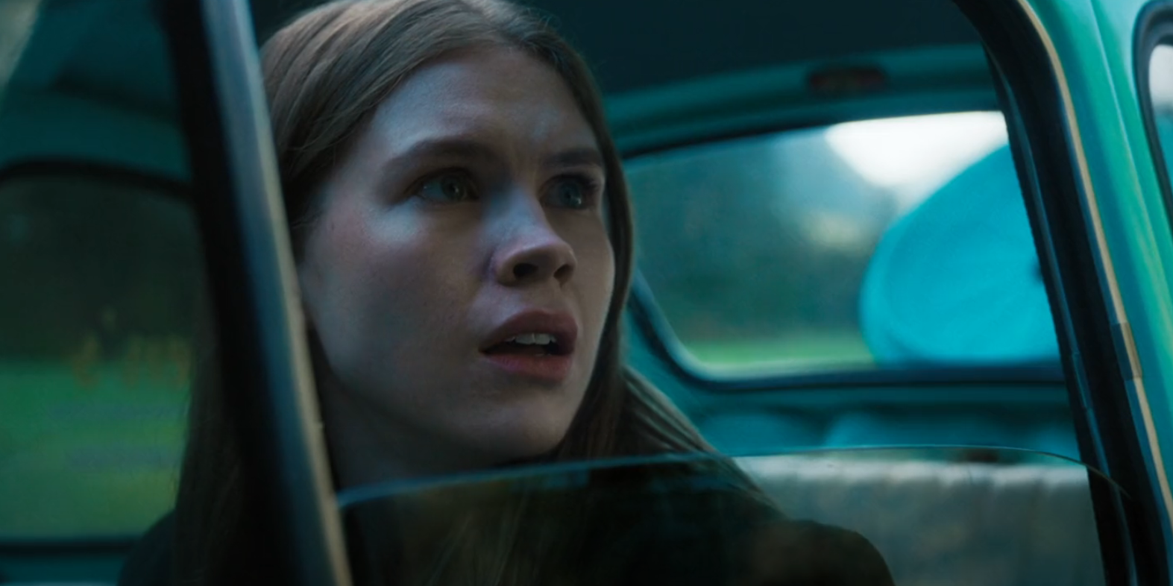
Despite meeting her end in an increasingly brutal fashion for three different iterations of the story, Barbara ends ‘Sew Torn’ in one piece, seemingly for good. Given her motivation this entire time has been to sustain her dwindling business, the money she now has access to is likely to serve that exact purpose. This contextualizes her crying tears of joy in the final moments, as her choices have seemingly paid off. However, knowing exactly what Hudson is capable of, there is a possibility that he might want to tie up loose ends down the line. We see a similar scenario play out in the first timeline, where it takes him little time to locate her, presumably because of the leftover needle on the road, bearing her company’s name. Although Hudson has no such identifying marker at his disposal in this timeline, it is entirely possible that he may still be able to smoke out the location, which would then leave her long-term fate up in the air.
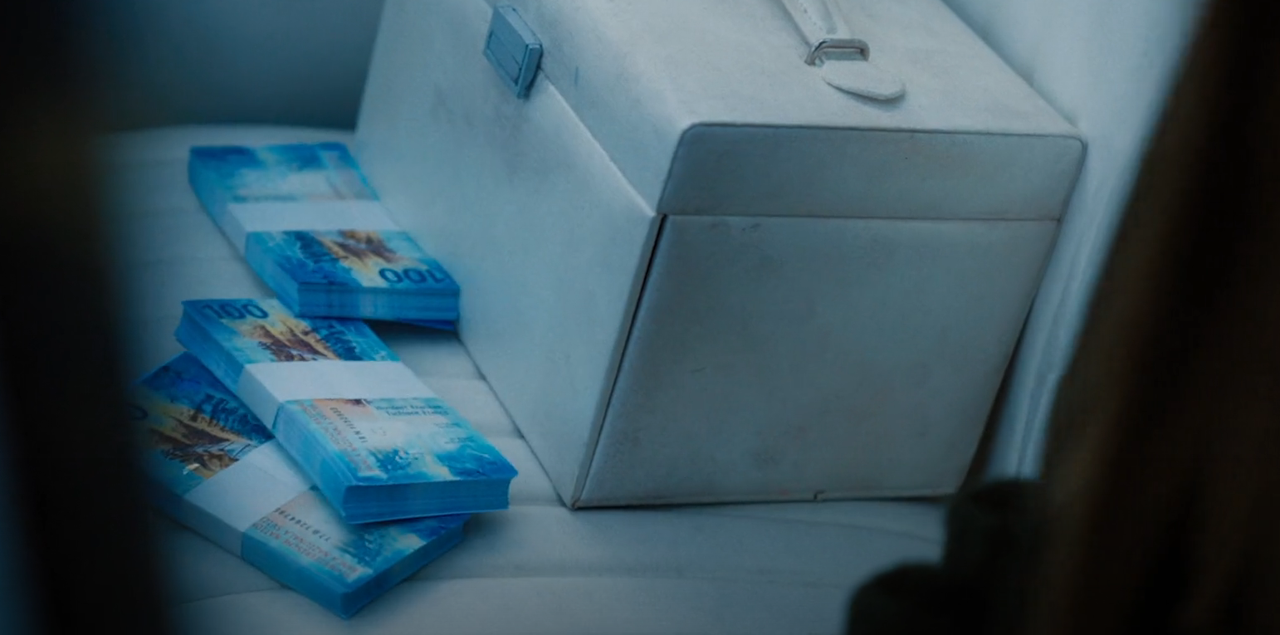
Barbara’s survival at the end of the movie also serves as a subversion of its opening montage, which revisits all three of her “death” sequences to cast the rest of the story in an ominous light. While all three iterations meet a tragic end, the fourth conclusion to her odyssey addresses the larger thematic concerns of her movie, many of which revolve around legacies. One of the movie’s recurring motifs is that of ghosts, be it in the form of the talking portraits that she specializes in making, or the trauma of her mother’s death that looms over her. As such, the three potential endings we see occupy a similar narrative plan. Although Barbara may not have any recollection of the other timelines, they all compound into her present turmoil. Her making it out of the nightmarish cycle opens the doors to the possibility of growing past her trauma and finding a new emotional identity, both for herself and her shop.
Why is Barbara’s Fourth Choice the Correct One?
While all four timelines in ‘Sew Torn’ share the same end goal, namely, Barbara gathering enough resources to save her shop, it is the finer details of the day that make all the difference. In particular, the game-changing element turns out to be a simple scene early on in the movie, where Barbara intentionally drops a button into a floor vent to take petty revenge against Grace, an unpleasant customer. While the second and third timelines specifically make a difference in how she deals with the drug money, the fourth and final timeline reframes the entire event by experimenting with one of its tiniest hinges. By simply retrieving the button and sewing up Grace’s wedding dress on time, Barbara has the luxury of heading back at her own pace, which allows the final turn of events to play out as they do. To that end, the narrative explores the concept of the butterfly effect, where the tiniest of changes can cascade into a life-altering future, for better or for worse.
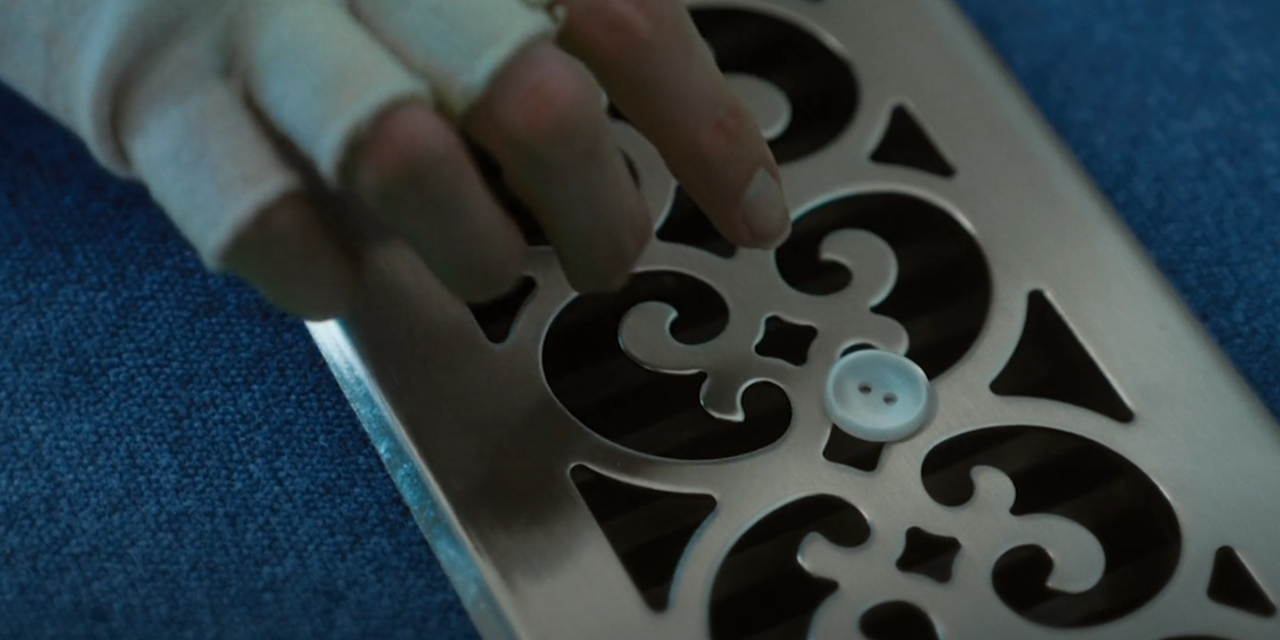
Notably, Barbara’s decision not to throw the button is more complex than just her kindness, as that act is microcosmic of her internal rift. Although she intentionally loses the button to mess with Grace, it is still Barbara who has to endure the scolding and then drive all the way back to her shop to collect a single button. Additionally, it is this single action that triggers her meeting with Joshua and Beck in the first place, ushering in a whirlwind of potential misfortunes in the process. The unifying factor between all of these seemingly disparate events is how they chip away at Barbara’s psyche. As such, the scene with the button is reflective of how her emotional outbursts might be misdirected and do more harm than good to her. Instead, her approach in the fourth iteration is marked by a sense of self-preservation, as evident in her interaction with Hudson, which ultimately yields her victory.
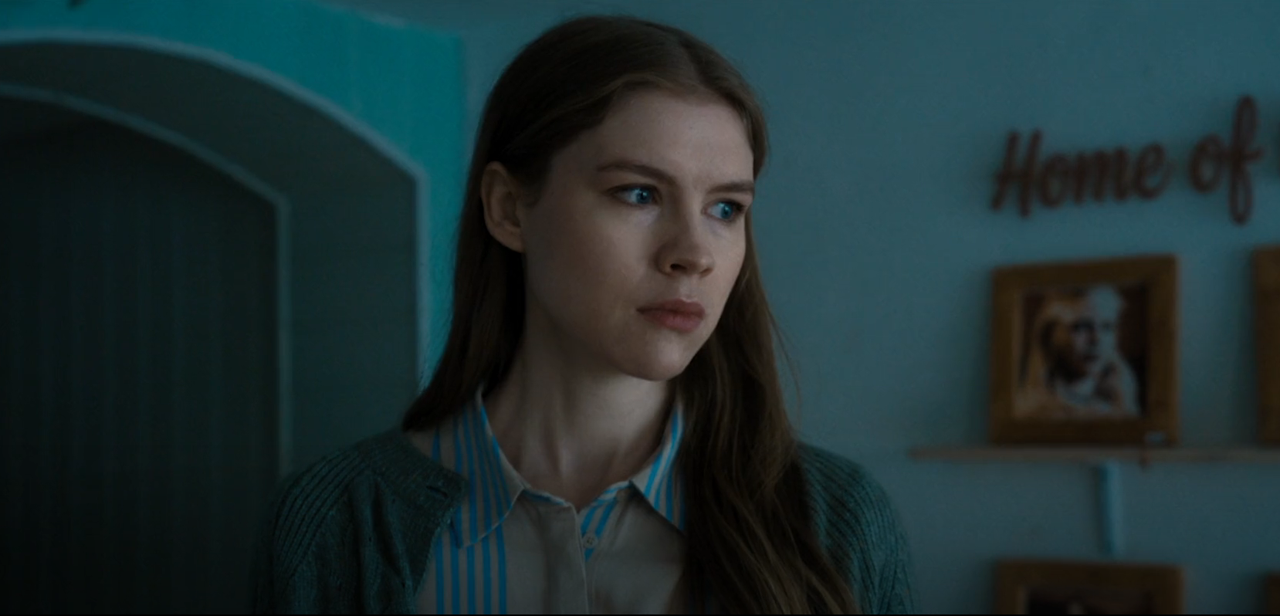
In the final scene of the movie, Barbara’s four choices are visually represented by a literal crossroad. Additionally, the correct path in her life is visualized as the road that leads her home. This suggests that neither direction is inherently doomed to be the wrong one; rather, it is one’s choices along the way that give each route its unique shape. Although Barbara’s larger aims do not differ across timelines, it is the minor changes that she makes, be it by actively hurting someone or being a party to violence, that trap her in a self-destructive spiral. Symbolically, Barbara’s expert ability to wield threads physically controls the actions of Beck, Hudson, and Joshua at multiple points in the story, by extension guiding their fate. Ultimately, we focus on a reality where Barbara relinquishes her excessive thirst for control, and that is precisely what leads to her survival.
Why Does Hudson Let Barbara Go? What Happens to Joshua?
While Barbara’s choices play the defining role in her living or dying in ‘Sew Torn,’ Hudson occupies the other side of the coin, as a character who holds as much, if not more, power over the story’s trajectory. In the first three timelines of the story, he charges in as an agent of death and chaos, but that changes in the fourth and final run. While he does meet and interact with Barbara, the conversation ends with him giving her money to keep quiet, following which he continues with his predestined journey. The dramatic alteration in the narrative can almost entirely be attributed to her complete absence from the drug deal plot, which makes her a non-enemy in Hudson’s eyes. In the third timeline, Hudson reveals to his son that he has grown dreary due to his job and wishes to quit. This indicates that he has no interest in mindlessly taking lives, which in turn leaves him with no reason to kill the protagonist.
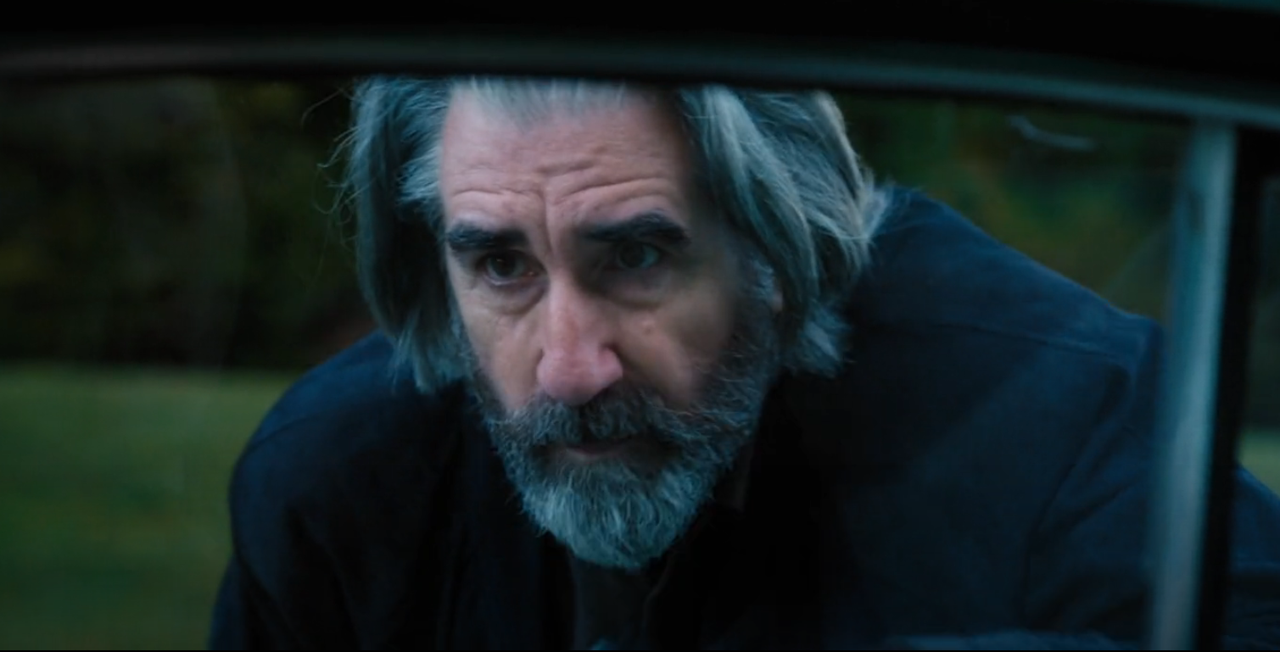
Unlike Barbara, Joshua is most likely reserved for a much more terrifying fate, as she unintentionally guides his father exactly to the scene of the crime. If the previous timelines are any indication, Joshua’s entire story from hereon out can be mapped out on some level. In the third timeline, Hudson locates his son and gets Barbara to treat and sew his injuries. This suggests that Hudson is unlikely to take the life of his kin and will instead employ other punitive measures. He also commands Joshua to take Barbara’s life as proof of commitment and reform. However, in the final timeline, given that she is no longer a part of their lives, Hudson might send his son on an even more dangerous operation. We have seen Joshua’s eagerness to kill his father and escape the life of crime; he might come into odds with his father once again, and either meet a cruel end, or come out on top.
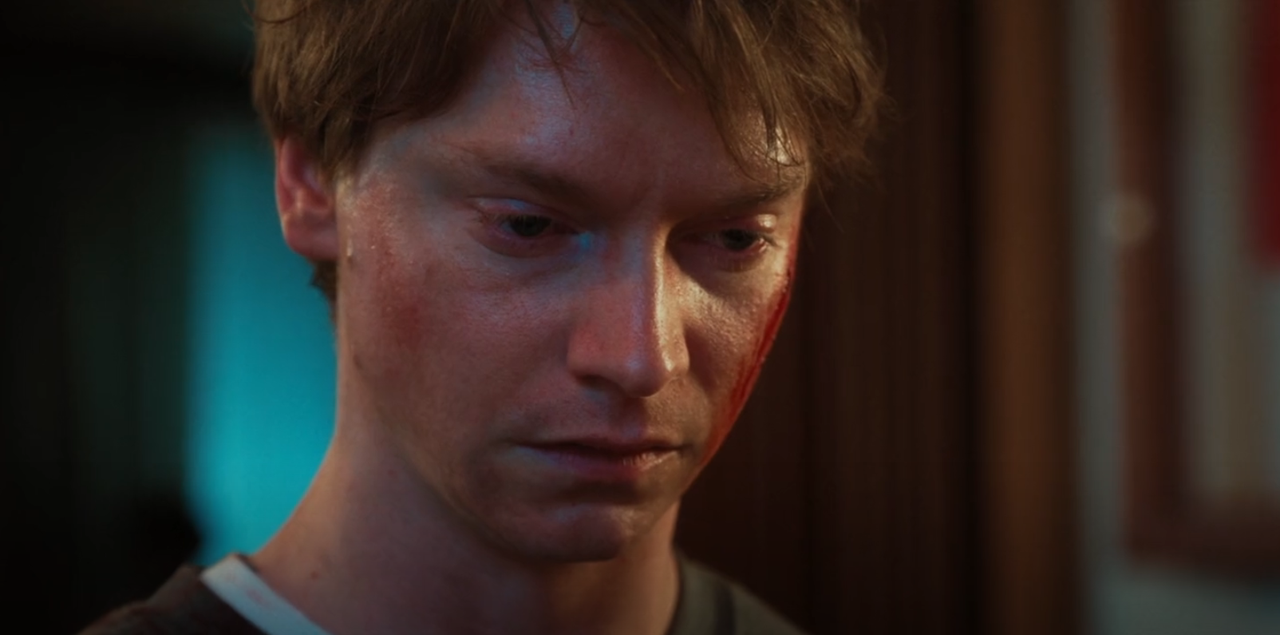
One important detail in this puzzle is the fact that Hudson has fitted the briefcase with a bomb that detonates if the final stack of cash is moved. While talking to his son, he reveals it to be a security measure he added after anticipating a betrayal within his ranks. This indicates that he had submitted to the possibility of his son dying due to an explosion, which blurs the possible course of action he might take in this timeline. Additionally, with Barbara not interfering in Joshua and Beck’s firefight, one of them might end up victorious even before Hudson makes it to the scene. The third timeline poses the best chances for Joshua’s survival, as he not only kills Hudson but also manages to avoid the bomb explosion. Although he might not have any money in this reality, he still manages to fulfill his dream of breaking free of his father’s shadow. Thus, both Barbara and Joshua find their respective happy endings in two different timelines.
Read More: Is Lifetime’s Toni Braxton’s He Wasn’t Man Enough Based on a True Story?

