
 Abhiroop Das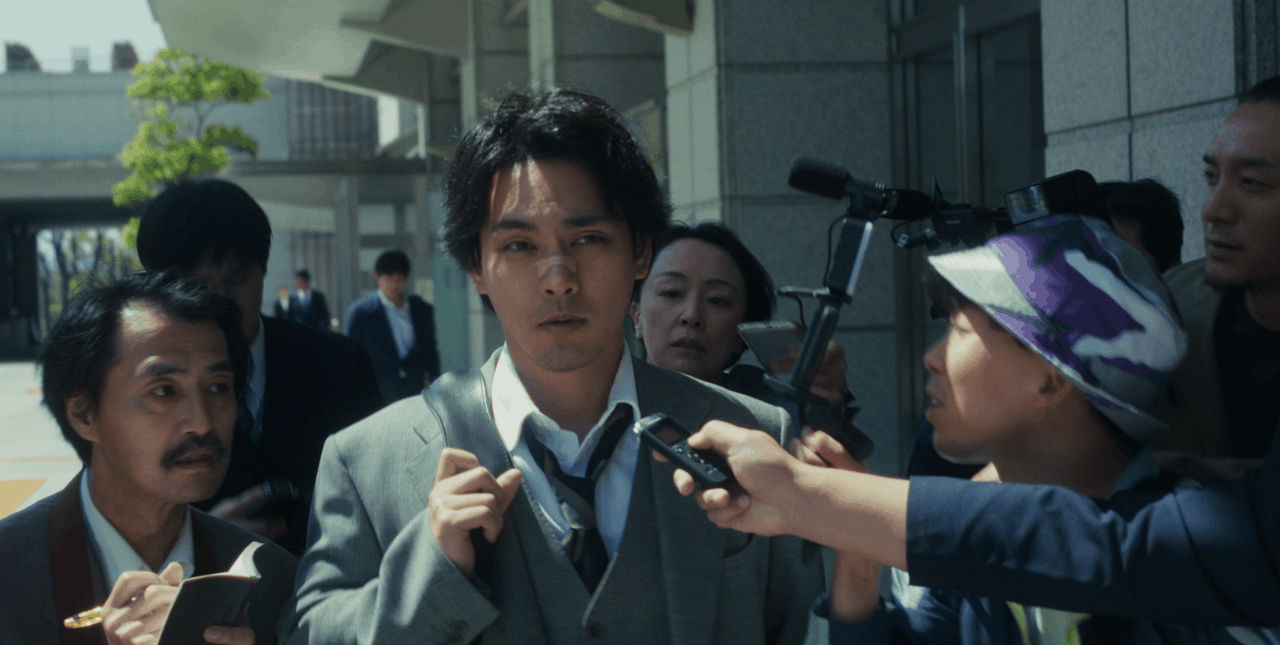
Co-directed by Hiroshi Adachi, Nobuhiro Doi, and Takeyoshi Yamamoto, Netflix’s ‘Sins of Kujo,’ also known as ‘Kujô no Taizai,’ tells the story of Taiza Kujo, a lawyer deeply entangled in the gray shades of morality. While he is undoubtedly a legal prodigy, what makes him famous, or rather, infamous, as a lawyer is his commitment to defending criminals. No matter how dark the case gets, it seems that nothing can stop Kujo from stepping in and completely flipping the table upside down. Intrigued by his framework is a young and similarly gifted lawyer named Shinji Karasuma, who joins the team without anticipating the whirlwind of legal complexities and social darkness that he is about to be swept into. Adapted from Shôhei Manabe’s eponymous manga series, this Japanese legal thriller series ends its first season by questioning Kujo’s roots as a lawyer. SPOILERS AHEAD.
Sins of Kujo Plot Recap
‘Sins of Kujo’ begins with an unusual introduction to an unusual lawyer, Taiza Kujo. While he is a defense lawyer unlike any other, he almost exclusively helps the worst criminals that the city has to offer, which earns him the reputation of a crooked lawyer. This, in turn, attracts the attention of Shinji Karasuma, an up-and-coming lawyer who topped his class but wishes to work with Kujo. Together with Yakushimae, a social worker who specializes in rehabilitation, the Kujo Law Firm is a dream team for bad guys who want to get out of trouble, but what truly interests Karasuma is Kujo’s mindset going into all of this. As it turns out, the duo was motivated to pursue law by the same incident, which Kujo considers to be a case of abuse of law. By using his unique skill set, he seeks a way to prevent that tragedy from ever happening again.
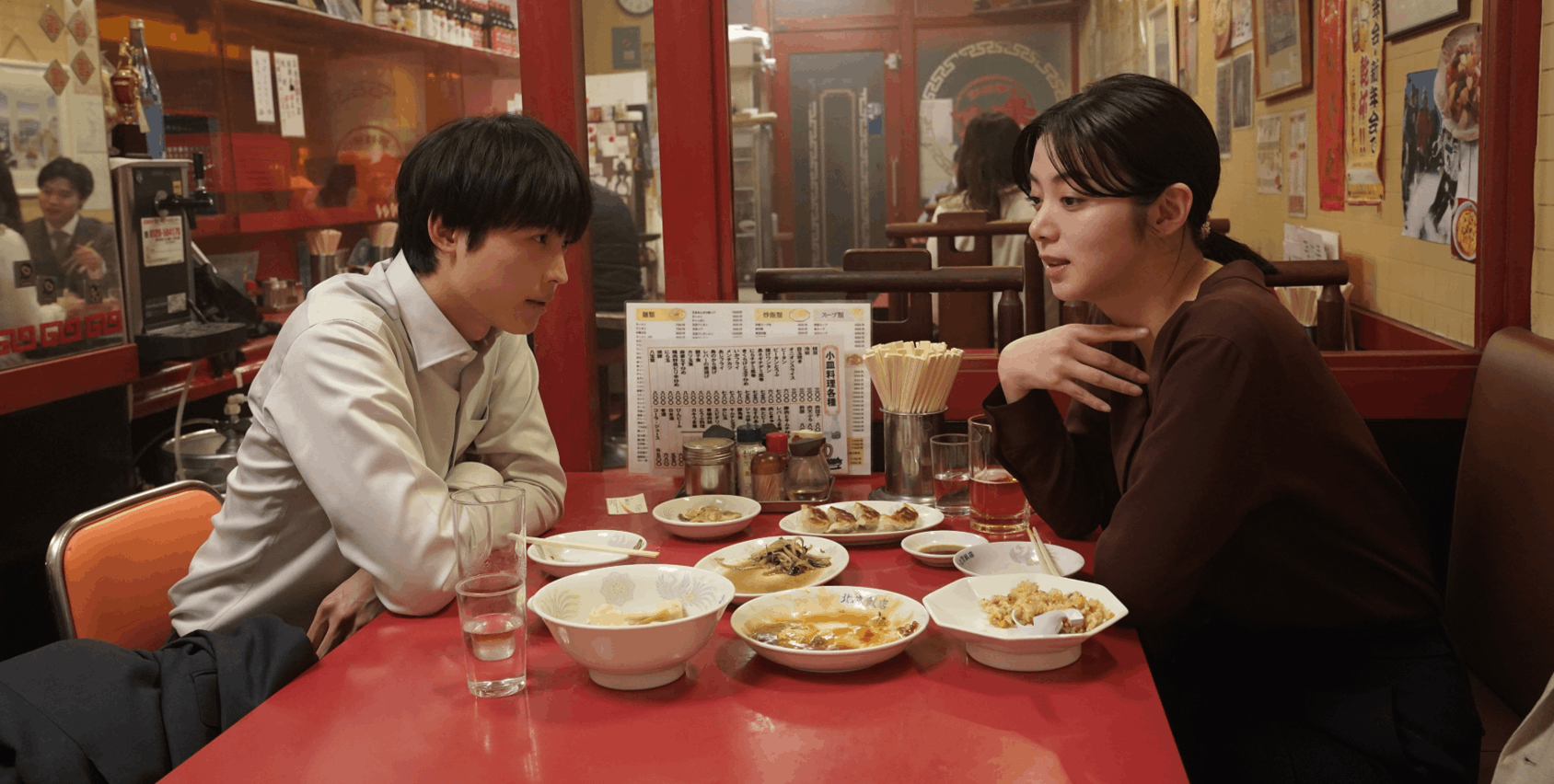
As the episodes progress, the trio takes on a variety of odd cases, all of which feature people who have committed some truly horrific crimes. This includes saving a man named Morita, who crashes his car into a child, costing him his leg, and another man named Kashimo, who has been forcing his criminal underlings to do prison time on his behalf. Where things get truly interesting, though, is when Kujo begins collaborating more closely with the Yakuza group known as Fushimi-gumi. As it turns out, Kujo has a close ally named Mibu, who runs an auto-repair shop on paper, but is secretly one of Yakuza’s enforcers. Yet another layer in his character, however, is that he is a rebel at heart, and plans to take down the Yakuza higher up known as Kyogoku.
Not long after Kujo helps a woman receive her rightful inheritance, he is asked by Kyogoku to help him win a lawsuit pertaining to his adult video company. While Kujo does a good job securing what’s best for his clients, his feelings of revulsion towards them slowly begin to overpower every other thought. However, before these feelings can take any further root, he is introduced to a police officer named Arashiyama, who is known for his unflinching commitment to his job. For quite some time, Arashiyama has been investigating the Yakuza about the murder of his daughter, and as more details come out, Kujo is placed in a particularly difficult spot. Karasuma, however, seems to have had his fill, and after a heartfelt conversation with his mentor, decides to call it quits.
Sins of Kujo Ending: Why Does Kujo Reject Karasuma’s Partnership?
The ending of ‘Sins of Kujo’ season 1 has more questions than answers to offer, but the most striking development is Kujo and Karasuma parting ways in light of their polar opposite mindsets. Although the two make for a stellar team this entire time, the subtler cracks in their dynamic turn into a rift when Kujo is pitted against Arashiyama. Going toe to toe with a seasoned police officer means siding with the Yakuza, and to do that, Kujo has to chip away at an even bigger piece of his soul. Even then, the chances of him dying rise astronomically in the finale, and this marks the tipping point for Karasuma. While he can stomach the shady techniques his senior uses while practicing law, the one thing he cannot handle is Kujo’s death and being even the smallest bit responsible for it.
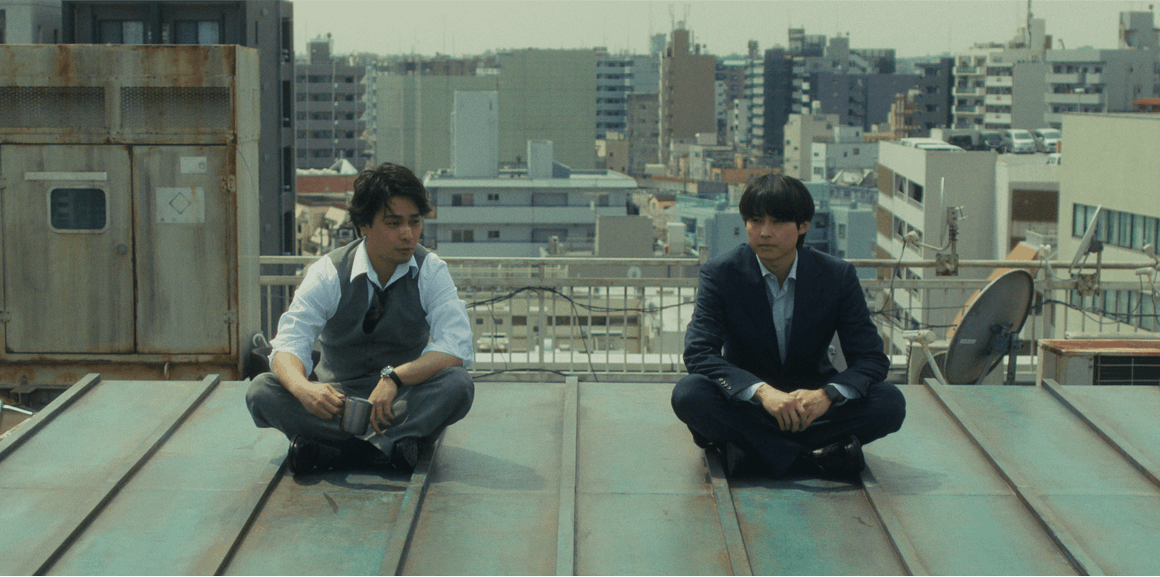
Kujo and Karasuma’s journey traces all the way back to their childhood, which notably also marks the formative moment that decides their life forever. When Karasuma’s father is killed, Kujo’s father, a reputed prosecutor, is tasked with bringing the murderer to justice, and he delivers the death penalty. Kujo is perhaps the only one in the room that day who wants to take a stand for the accused, but that doesn’t mean he is without sympathizers. Karasuma, though much younger, also realizes that something is innately wrong with the trial and decides to dedicate himself to the firmness of the law. Kujo, on the other hand, relishes its flexibility, thus creating the central distinction between their perspectives.
Though Karasuma is warned time and time again that the path ahead almost certainly ends with death, he ultimately fails in convincing Kujo to join his side. As such, the only thing he can do is to make the decision for himself, not out of a self-preservative need, but because of his genuine misalignment with Kujo’s values. Though he wrestles with the moral rights and wrongs of Kujo’s schemes in every single episode, we don’t always get a clean conclusion. While both characters ultimately fight for those who are deserted by the law, Karasuma’s methods are more upfront, whereas most of Kujo’s initiatives get lost in layers, often by design. Even if the world does not get this, Karasuma does, which is why he seems genuinely hurt when Kujo rejects him. It is likely, though, that Kujo doesn’t want him to fall back into what he considers a “vicious cycle,” and that this rejection is ultimately well-intentioned, just like everything else he does.
Do Mibu’s Men Kill Kyogoku’s Son?
A major thread left hanging in the finale is the fate of Kyogoku’s son. The last we see of him is when Mibu’s underlings seemingly saw off his head with a chainsaw, and though we never see the actual process, the splattering of blood tells a story by itself. Still, it is possible that this addition is meant to throw off our expectations, and in reality, the blood comes from a non-fatal injury. In that case, however, Mibu and his team are in even deeper trouble, as they now have a living, talking hostage who can easily report back to his Yakuza dad. With Mibu headed to the site, things are bound to go from bad to worse, as the kid almost certainly knows who he is in relation to Kyogoku. As such, everything points towards Mibu going past the point of no return, which makes him a client truly in need of Kujo’s skillset.
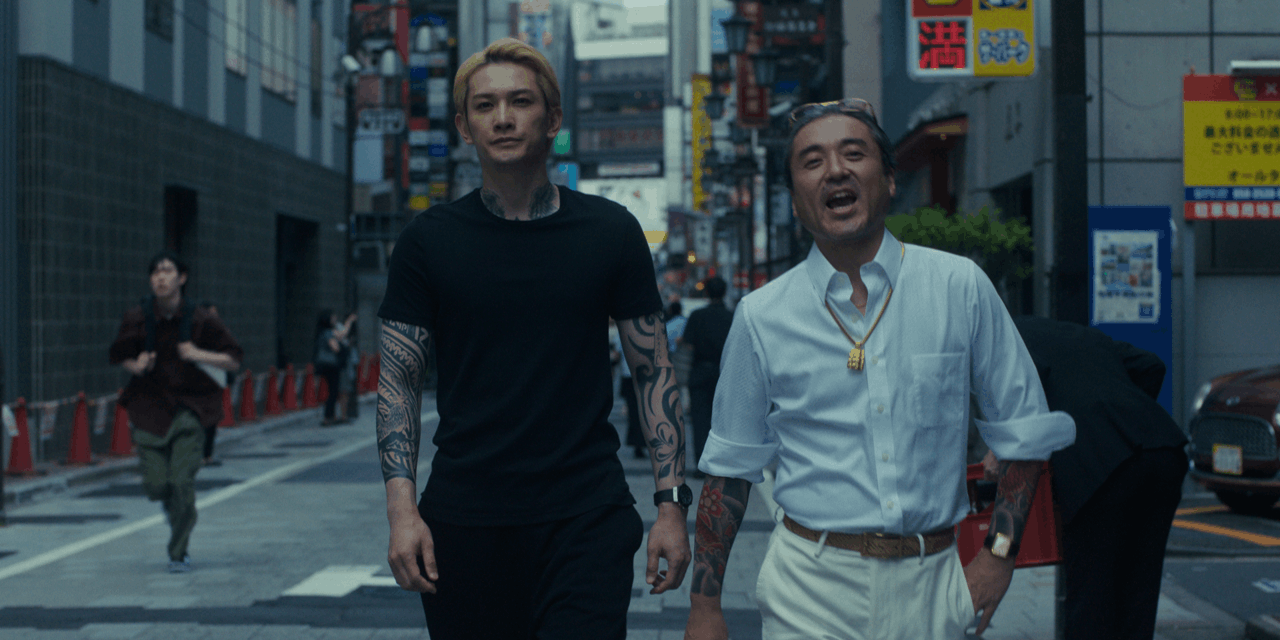
While kidnapping Kyogoku’s son is a serious offense as is, what is truly at stake here is Mibu’s entire legacy. In the episodes prior, he slowly begins building an army of loyal, powerful Yakuza members who can successfully overthrow Kyogoku, and potentially all of Fushimi-gumi when the time comes. This lone blunder, however, threatens to ruin all of that and then some. Although Kyogoku doesn’t suspect him right now, he does plan to tap his son’s phone, which is a recurring motif in the show, and in most cases, a game-changer. Every single loose end Mibu leaves in the moment is almost destined to trace back to him in one way or another, which means that his war with the Yakuza might just be pushed forward several years and months.
Will Arashiyama Arrest Kujo? Does He Find the Killer?
Kyogoku is not the only threat Kujo and company have to deal with, as the finale confirms that Arashiyama is also silently creeping up on his long-time enemies. While he almost gets Kyogoku’s underlings convicted for assaulting and murdering his daughter, Kujo’s last-minute intervention overturns all of these efforts. In retaliation, he shifts his focus to the lawyer, poking at every single angle to find a weakness. Ultimately, he finds his trump card in the form of Morita, the very first person whom Kujo saves in the series. After being arrested for the second time, he turns on his own lawyer, admitting that Kujo took his phone and tampered with evidence and testimonies to get him out of jail. While this might sound like game over for our favorite lawyer, there is one trick he can still use to get out of trouble.
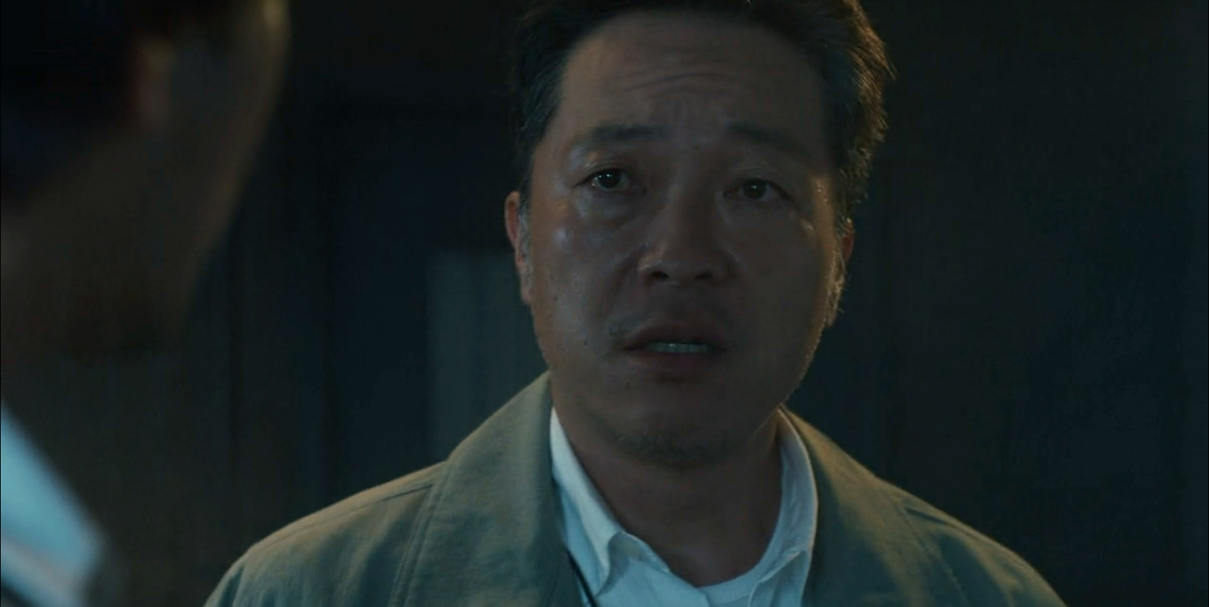
A simple trick employed by Kujo in episode 1 is likely key to getting him the win here, and it involves Karasuma’s recording device. When taking the phone from Morita, Kujo notably speaks to no one in particular, announcing that whatever he says there on is only to himself. This excludes Morita, the person to whom the advice is actually targeted, and essentially makes Kujo immune to any legal complications. Incidentally, without Karasuma recording the whole conversation, this nuance is nullified, as phones do not have a natural recording system. Chances are that Kujo predicted a scenario like this from the very start, and already has several counters under his belt. However, this doesn’t mean that his time with Arashiyama is even close to concluding, as in the end, it is a battle of two fathers who will do anything for their loved ones.
Will Kujo Reunite With His Daughter?
From the start of the story, the only time we see Kujo’s expressions soften is when he brings up his daughter, whom he hasn’t met in years. While they are still somewhat in touch, a part of Kujo’s divorce agreement rests on zero visitation hours, which keeps him restless throughout the show. However, that changes in the finale, when he gets a phone call from his daughter, asking him to visit her on August 15, her next birthday. Not only does this confirm that a year has passed since Karasuma’s arrival, but it also estabilishes just how much has changed. However, the way the narrative twists and turns, it is possible that this date is meant to function as a countdown to when Kujo’s life spirals out of control. Between the Yakuza and the police, there is a good chance that he has more enemies than friends at the moment, which spells nothing but doom.
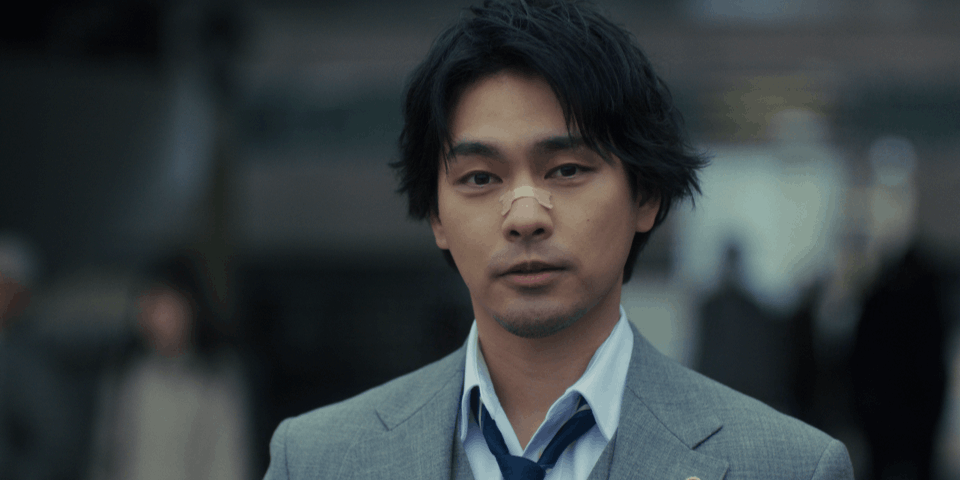
The fact that Kujo’s daughter personally asks for a visitation suggests that his ex-wife has already agreed, and while we still don’t know the exact history between them, this promises some more details. Despite Kujo facing a whole string of adversaries, there is hardly any doubt about his ability to outsmart them all, which means that August 15 can be the make-or-break year of his life. In many ways, Kujo is the polar opposite of Arashiyama, a man who lost his daughter in part due to his own neglect and is still unable to serve justice. Kujo, on the other hand, lives to raise a generation of people protected when no one else can help them, with Shizuku being a good example. That said, how he puts his brains to use in this scenario remains a mystery till he eventually reveals his hand.
Read More: Is Humint a True Story? Is Park Geon Based on a Real North Korean Agent?

