
 Abhiroop Das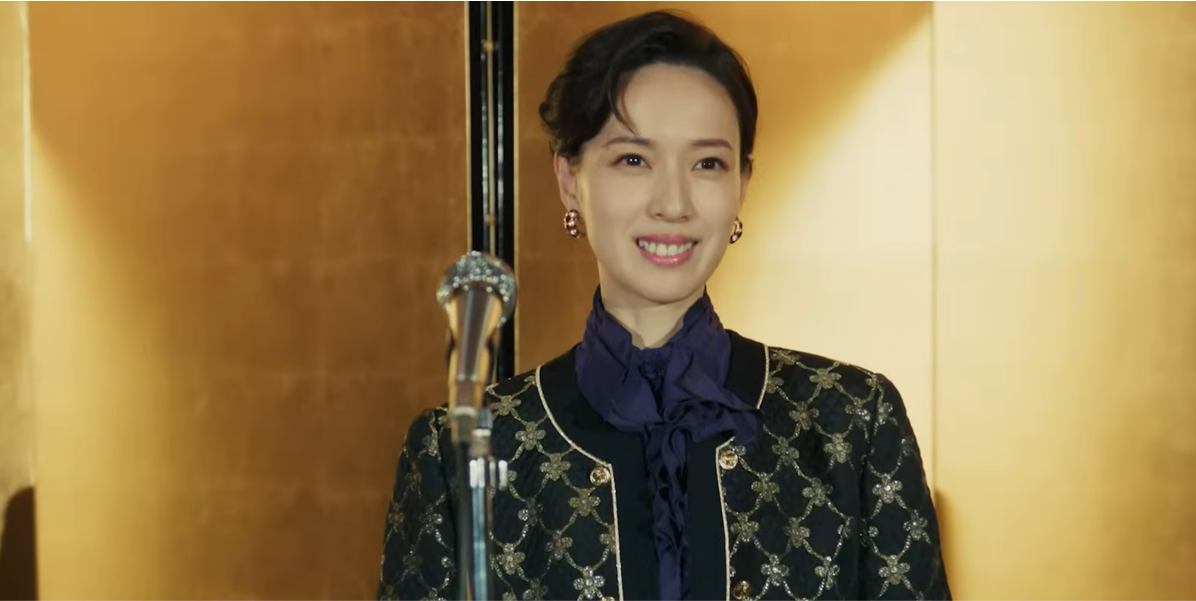
Helmed by Norichika Ôba and Tomoyuki Takimoto, Netflix’s ‘Straight to Hell,’ also known as ‘Jigoku Ni Ochiru Wa Yo,’ is a Japanese biographical drama series that follows Kazuko Hosoki through her childhood in post-war Tokyo, all the way to her becoming a media mogul. Known for her unique fortune-telling methods, she has as many fans as she has doubters, which is why she cannot refuse a budding novelist, Minori, who is eager to write her biography. Though the story begins as a misty-eyed recollection of her difficult journey through hell and back, Minori soon notices gaps in the story and begins to question just how well she knows her subject. As the story unfolds, we realize we have only unlocked a fraction of who Kazuko is, and the real story is as multifaceted as it gets.
Straight to Hell Puts the Life of Fortune Teller Kazuko Hosoki Under a Fictionalized Lens
‘Straight to Hell’ is partially inspired by the life of Kazuko Hosoki, one of Japan’s most famous fortune tellers, authors, and television personalities. On top of that, the show simultaneously describes itself as a work of fiction, indicating that some parts of the story have been dramatized by writer Manaka Monaka. Over the course of 9 episodes, the show traces Kazuko’s journey as a child in post-war Japan, all the way to her rise as a media titan and beyond. Perhaps best known for her Six Star Astrology system, Kazuko reportedly developed a sharp catchphrase, “You’ll go to hell,” as a fortune teller, which is where the show gets its name from. However, unlike the show’s premise, Kazuko was never known to be involved in the making of a controversial biography, which makes the plot partly fictional.
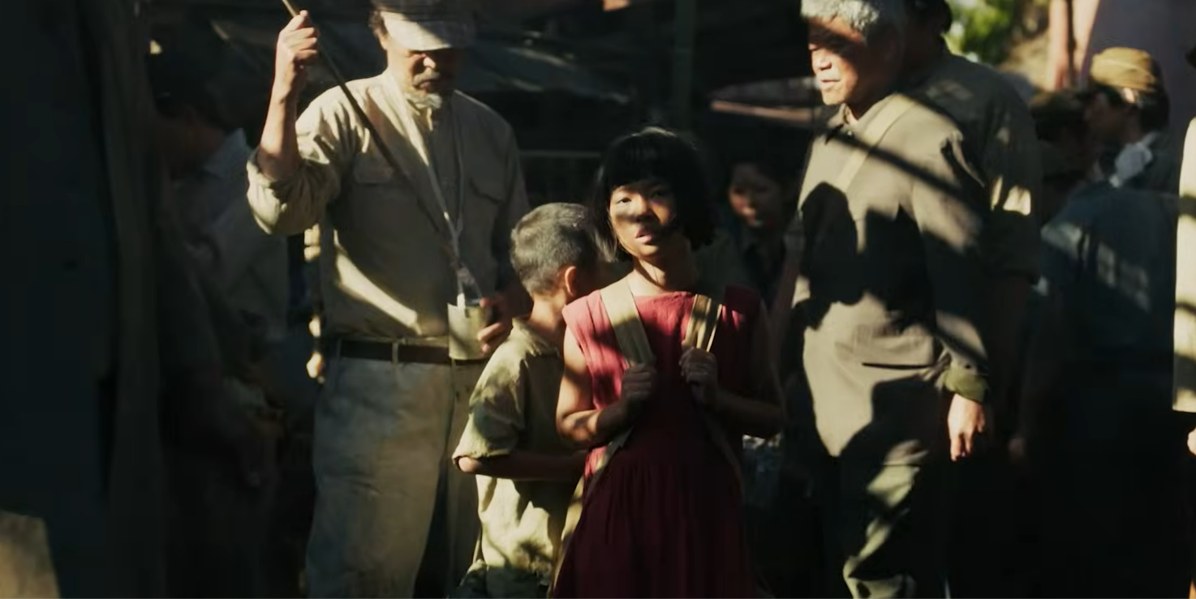
Born on April 4, 1938, in Tokyo, Kazuko Hosoki grew up during World War II and witnessed the devastation and economic after-effects of the war firsthand. Reportedly, she once described eating earthworms in order to survive, and that incident is faithfully recreated in the show. As a teenager, she began managing clubs and coffee shops in Tokyo, and soon achieved success. Reports indicate that during the 1950s and 60s, clubs and other nightlife hotspots in the Ginza region of Tokyo were meeting points for some of the most powerful people in the city, and Kazuko spent that time building up connections.
Kazuko Hosoki Championed the Nightlife Industry Before Stepping Into Fortune Telling
In a tabloid interview published in the Weekly Post’s May 13, 2005 issue, Kazuko Hosoki described how her youth, attractiveness, and smooth-talking made her a sought-after figure of the era. Very soon, she became the owner and manager of several clubs and discos in Ginza, which the show reimagines through a string of fictional stand-ins. Around the same time, she got married and later divorced her partner, and while the show fictionalizes this period, in real life, Kazuko chose to keep this part of her life private. She also alleged that she was once scammed out of roughly 1 billion yen. Talking about it, she told the tabloid that debt collectors took turns watching over her house. Facing huge debts, Kazuko reportedly contemplated suicide or running away, but ultimately chose neither option.
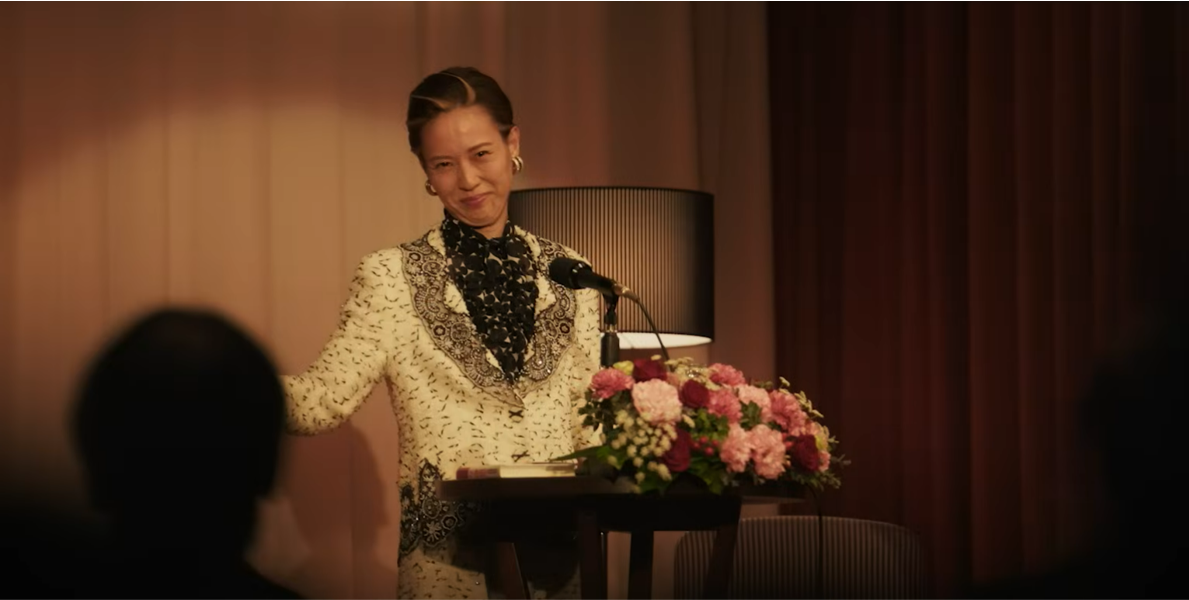
In 1983, Kazuko married Masahiro Yasuoka, an influential scholar who reportedly served as spiritual advisor to numerous Japanese politicians. She was a student of Yasuoka and alleged that he had promised to marry her. According to allegations in a petition later filed by Yasuoka’s family, Kazuko reportedly submitted her marriage application unilaterally, while Yasuoka, who was 85 at the time, was exhibiting symptoms of dementia. While the family sought to invalidate the marriage, Kazuko claimed she acted on his earlier promises. Following Yasuoka’s passing on December 13, 1983, the legal dispute was resolved, and the marriage between Kazuko and Yasuoka was officially annulled and removed from the Yasuoka family register.
Kazuko Hosoki is a Guinness World Record-Holding Writer
Masahiro Yasuoka was reportedly known for his command over divination and other spiritual practices, and it is believed that Kazuko Hosoki carried forward his teachings and expanded them into a public medium. While her first fortune-telling book was published in 1982, her breakout hit came three years later, with the novel ‘How to Read Destiny,’ where she began conceptualizing her famous Six Star Astrology. Within this framework, a person is broadly categorized into one of six groups based on their birth date. Following that, their lives are mapped out as part of a 12-year cycle characterized by periods of good and bad luck. In the show, these periods are known as “golden” and “void” periods and serve as commentary on Kazuko’s own life.
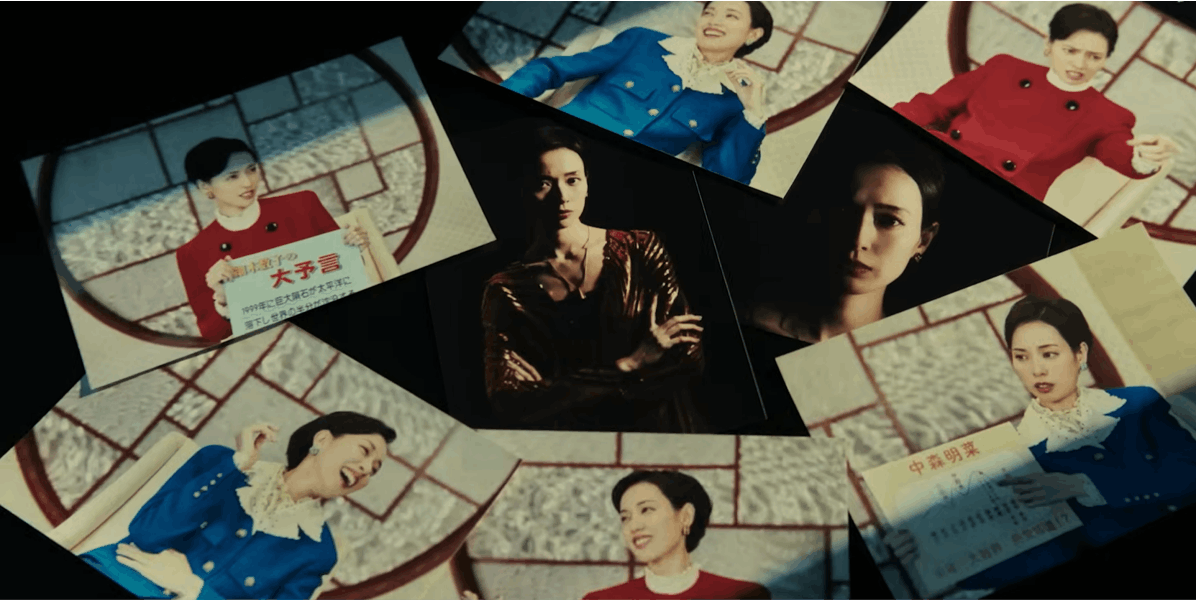
In her lifetime, Kazuko reportedly wrote at least 81 books and sold a combined 34 million copies, earning the Guinness World Record for the best-selling author in the fortune-telling category. She also served as a judge for the original run of the Japanese cooking show ‘Iron Chef.’ By the turn of the millennium, Kazuko had become a dominant figure in Japanese television with her primetime fortune-telling show, ‘I’ll Give It To You Straight!’ or ‘Zubari Iu Wa Yo!’ She became famous in particular for her frank and often blunt style of fortune-telling, due to which she also received the nickname “Hell Lady.”
On December 30, 2004, Kazuko appeared on ‘Quiz $ Millionaire’ and went on to win the top prize of ten million yen. Though she was a household name in Japan by that point, reports of skepticism and criticism soon began to surface. Reportedly, she responded to the criticism by shifting her focus to lifestyle and wellness-related content. Kazuko Hosoki passed away on November 8, 2021, at the age of 83, from respiratory failure. As of writing, Six Star Astrology continues to be a popular phenomenon in Japan, and remains popular in the form of a fortune-telling app associated with Kazuko’s daughter, Kaori Hosoki. The fictionalized portrayal of Kazuko’s life in ‘Straight to Hell’ stands as a testament to her social and cultural impact.
Read More: Rescued By Faith: The True Story of Connie and Larry Van Oosten, Explained

