
 Abhiroop Das
Co-created by Moshe Zonder, Daniel Syrkin, Omri Shenhar, Maor Kohn, and Dana Eden, Apple TV+’s ‘Tehran’ charts Tamar Rabinyan’s tumultuous experience in the heart of Iran, where she is sent as a Mossad agent to stop their nuclear project. A tech prodigy, she quickly finds her own means of infiltrating the system, but as she digs deeper into the system, Tamar finds herself isolated from the very people she once called allies. At the start of season 3, she is at her most broken, but that doesn’t stop her from uncovering the regime’s darkest secret.
All this time, her elaborate chess game with Faraz Kamali, the Guard Corps’ head investigator, never quite ends, and in the process, she meets two more people: the elusive Mossad agent known as the Owl and Eric Peterson, a nuclear specialist tasked with inspecting Iran’s nuclear activity. As the story progresses, however, all these characters end up intertwined in a web of mysteries, all culminating in the ending. SPOILERS AHEAD.
Faraz Dies Amidst the Horrors of His Own Creation
At the end of ‘Tehran’ season 3, Faraz Kamali meets his end in a fiery explosion that destroys much of the nuclear warhead that the regime spent years making. Tamar, on the other hand, manages to escape with the nuclear core still intact, outsmarting Faraz for good. While their final confrontation was largely defined by a shared interest in saving as many lives as possible, Faraz and Tamar were nonetheless engaged in a fierce tug for control. In fact, he nearly gets the win when he finds a gun and points it in her direction, but it is ultimately Peterson who has the final say in the matter. Bargaining for her escape in return for fixing the bomb, he places Faraz just where he needs to be: within inches of an impending explosion meant to end the cycle for good.
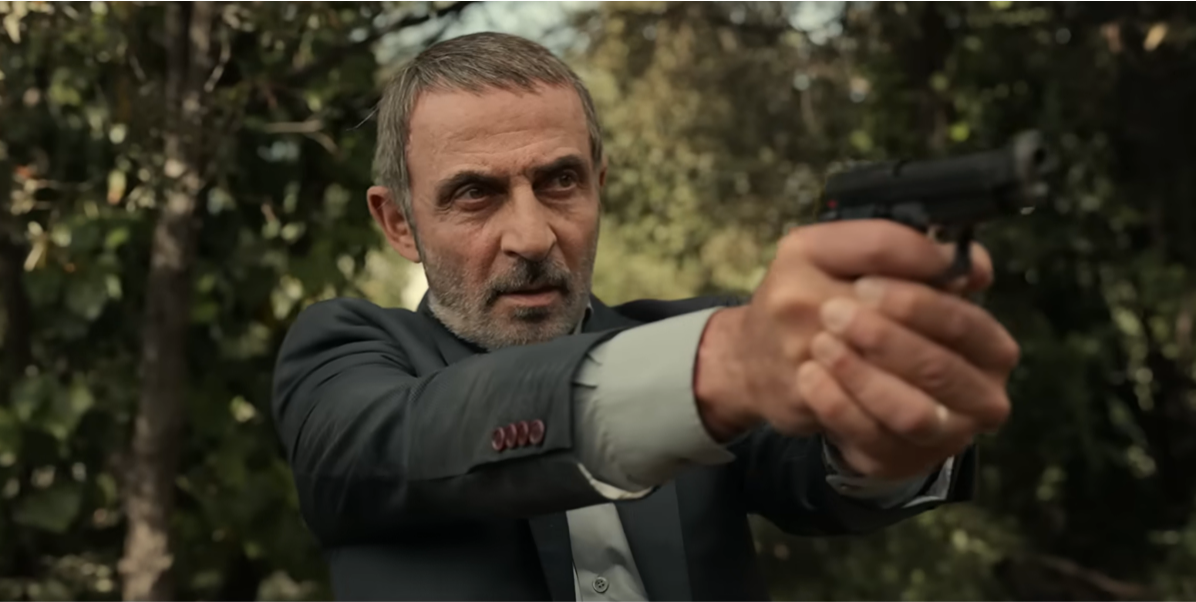
Although Faraz is among the grayest characters in the series, the finale perfectly captures all the missteps he has made thus far. While he claims to be well-intentioned in his love for the country, there is a clear desire in his mind to preserve the state, and by extension, the power he holds within the system. We see a literal manifestation of his grip over things through how he restricts Nahid’s life, subtly at first, and then by explicitly blocking her exit from the house. In the end, his demand for control backfires, as he is caught up in the explosion and dies. Most likely, he will be deemed a traitor to the regime, who not only killed his fellow officers, but also worked with Mossad and Peterson. Ironically, all of Faraz’s efforts to preserve his legacy end in its complete erosion.
Eric Peterson Sacrifices Himself to Nip the Iranian Nuclear Project in the Bud
Eric Peterson, the nuclear scientist who successfully tricked Mossad and the entire regime not once, but twice, dies right alongside Faraz in the explosion, ensuring that years’ worth of his work and research is destroyed alongside him. While it is true that he started out as a genuine sympathizer of Iran and sought to create global balance by turning the country into a nuclear power, his mindset had shifted some time back. When his obsession with this goal caused him to miss his own wife’s death and lose all contact with his daughter, Peterson finally got the reality check he needed. Around the same time, he realizes that he wasn’t exactly building a bomb for Iran, but specifically for the regime, which ruled with an iron fist and malicious intent.
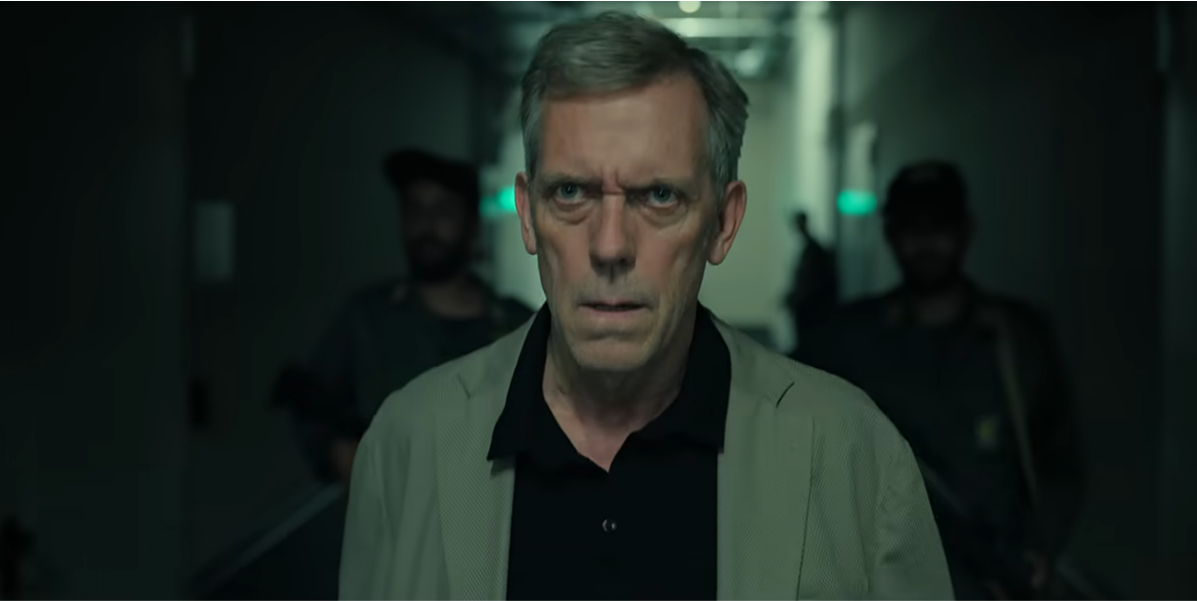
While Peterson is disillusioned with both the regime and his own idealization of the future, the darker shades of his character never quite go away. In a shocking revelation, we learn that his actual plan was to blow up the nuke while it was still in the underground facility, causing a relatively smaller, but still significant explosion on the surface. This naturally meant that hundreds of people were to be affected by the blast and the subsequent radiation poisoning, a number which Peterson deemed necessary to raise global awareness. While Peterson may believe he is working for a just cause, in reality, his beliefs are always depicted to be out of touch with reality, and he realizes that too late. Thus, his sacrifice can also be interpreted as his final attempt at redemption, which explains why he asks Tamar to relay the truth about his life to his daughter.
The Owl Dies Acknowledging His Role in the Cycle of Violence
Although the third season of ‘Tehran’ ends with a victory for Mossad, it is not without casualties from both sides of the conflict. A turning point that happens towards the end of the penultimate episode is the death of Nissan, better known as the Owl. While he is initially tasked with killing Tamar, the two soon develop a mentor-mentee-esque relationship, with the Owl not only teaching her the ropes but also reminding her of the harder choices agents have to make sometimes. However, the show also subtly adds in a critique of what the Owl has done to people over his lifetime, and in the end, he dies at the house of a scientist he once killed to disrupt Iran’s nuclear project.
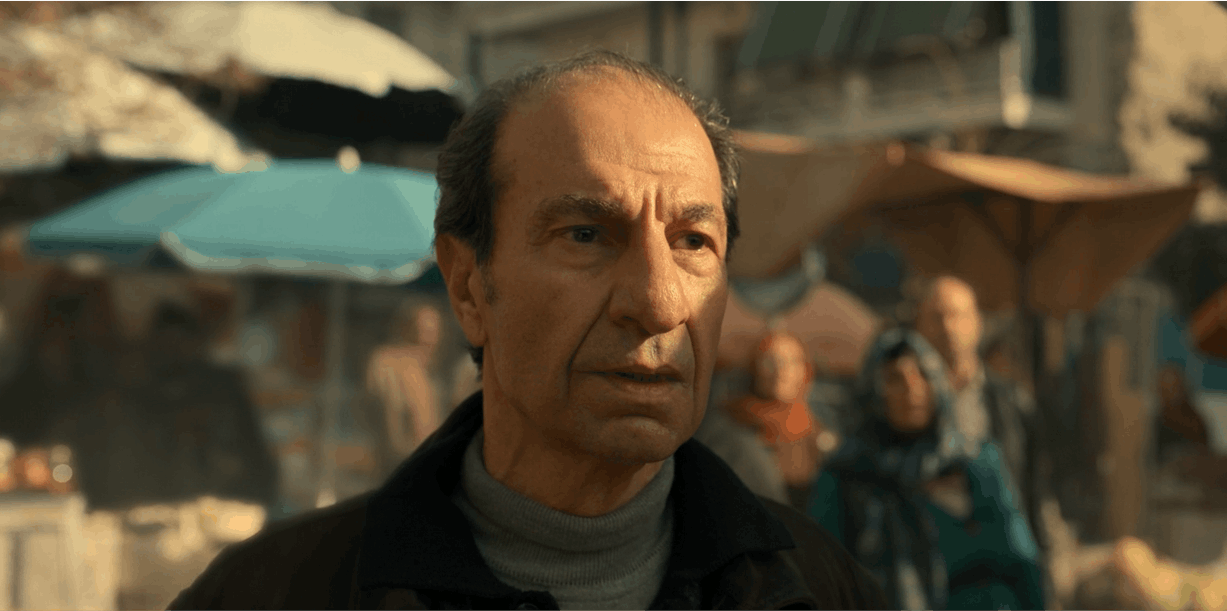
When Tamar’s plan to infiltrate the nuclear code backfires, the Owl, who is stationed at Nouri’s house, soon finds himself surrounded by armed soldiers. Caught off guard, he is barely able to react when a bullet lodges in his chest, and while Nouri nearly gains the upper hand, he still manages to kill her and finish his last job. This isn’t a thing to celebrate, however, as the Owl realizes that he has just orphaned a child, and is in no place to pass judgment on what is right and wrong. However, even in his dying moments, he trusts Tamar to have the moral anchor he never did, and that belief ultimately pays off. Fulfilling his role in the narrative, the Owl sacrifices himself by opening fire at the incoming soldiers, displaying courage till the very end.

