
 Aahana Swrup
Originally titled ‘Esa Noche,’ the Netflix Spanish series ‘That Night’ presents a psychological exploration of a bewildering crime and its ensuing cover-up. The story revolves around three sisters, Elena, Paula, and Cris, who are tourists in a city in the Dominican Republic. One night, the youngest of the bunch, Elena, who is also a new mother, calls up her sisters in a panic, desperately needing their help. She has managed to land herself in deep trouble after inadvertently killing a man in a car accident.
As the details of the crime swirl around in a morally ambiguous gray, the older sisters end up helping Elena hide the body and flee from the scene. However, as they return to their lives in Spain and the repercussions of their actions continue to follow them, they must confront the reality of how far each of them is willing to go in the name of family. The narrative paints the three Arbizu sisters in a realistic and painfully relatable light. However, is there any reality behind their on-screen stories?
The Arbizu Sisters Are Based on the Characters From a Gillian McAllister Novel
‘That Night’ is a Spanish on-screen adaptation of Gillian McAllister’s eponymous mystery thriller novel published in 2021. The book follows the narratives of three siblings, Joe, Cathy Plant, and Frannie, who undergo a similar premise of a murder cover-up in the wake of a car accident. Their story is set in England, with Italy becoming the vacationing spot that tragically becomes a crime scene to flee. Creator Jason George’s adaptation changes the geography of the story, along with a few key details, such as the names of the central characters. Even so, despite the slight changes in characterizations, the sibling trio in the show retains an inherent basis in their bookish counterparts.

The interpersonal dynamic between Elean, Paula, and Cris, their circumstances, and storylines all share an inevitable inspiration from McAllister’s fictional characters. In a conversation with Netflix, the author spoke about the process of having her work adapted for the screen. She said, “I’m so honoured that Netflix Spain are filming a series based on my novel ‘That Night,’ which asks the question: how far would you go for your sibling? Would you lie for them? Would you commit a crime for them? And—finally—would you bury a body with them and, if you did, what would the fallout be?” The narratives of the Arbizu siblings explore these same moral dilemmas and ethical quandaries. Therefore, even though these on-screen siblings have no direct basis in real-life criminals, they achieve a level of realism through their bookish roots.
The Arbizu Sisters’ Storyline Highlights the Effect of Trauma in Relationships Between Siblings
Elena, Paula, and Cris’ characters are works of fiction confined within the premises of the fictional storytelling in ‘The Night.’ In real life, there are some examples of siblings committing crimes together or covering up for one another. These include the cases of The Carr Brothers, Reginald and Jonathan, who went on a six-day killing spree in Wichita, Kansas; The Scissor Sisters, Linda and Charlotte Mulhall, who killed their mother’s boyfriend, and more. Nonetheless, no real-life sibling criminals directly inspired the storyline of the Arbizu sisters. The latter, based on Gillian McAllister’s work, are entirely original characters created in service of the show’s narrative. Even so, their unique storyline ends up exploring certain aspects of a brutal reality.
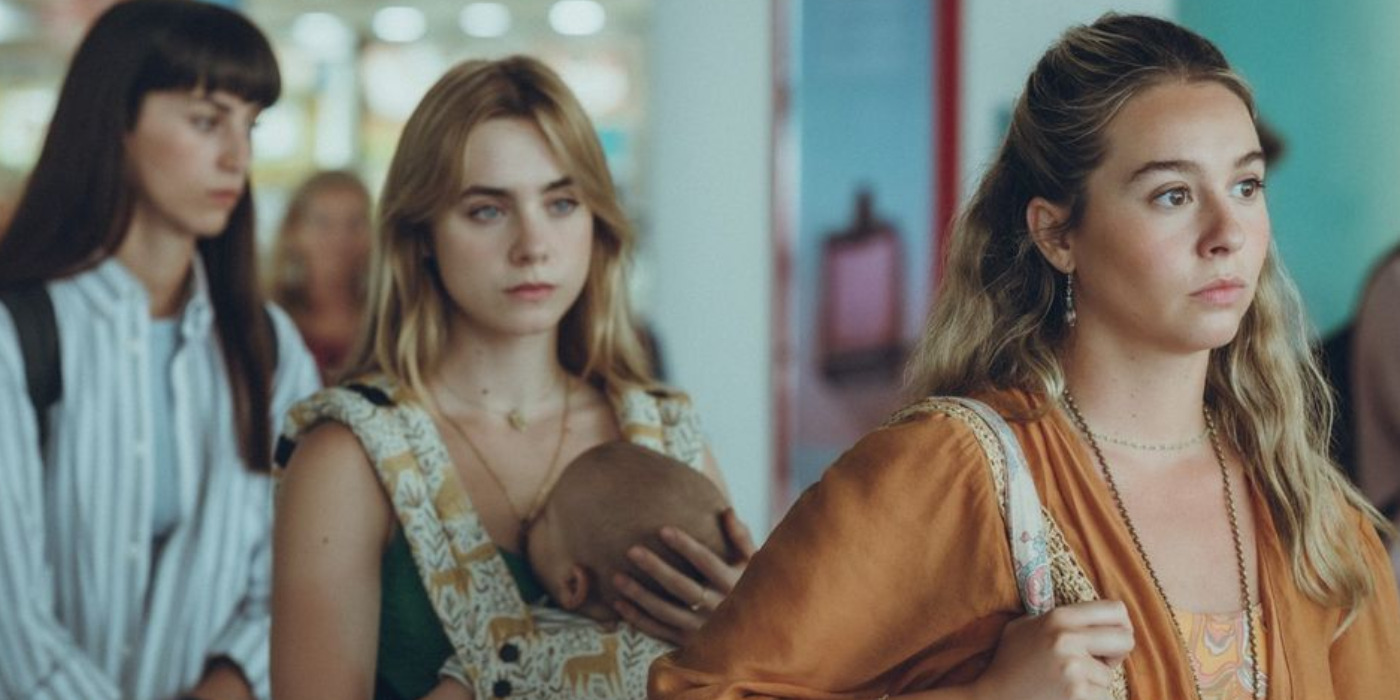
In the series, Elena, Paula, and Cris are portrayed as a tight-knit, even co-dependent, group who have enough loyalty, trust, and devotion between them that they are willing to bury a body and cover up a crime for each other. However, this intense camaraderie stems from a place of long-standing childhood trauma. A particular event from these sisters’ childhoods compels them to become the last standing line of defence in each other’s lives, even willing to sacrifice everything and anything for their family. Thus, their narratives depict a very prevalent reality of trauma leading to the development of a drastic level of toxic and self-destructive attachment. Studies have shown that while sibling relationships have positive effects on people who may have experienced childhood adversity, the adverse experiences themselves can also be a cause of conflict between siblings.
Furthermore, a traumatic history can also reportedly result in the formation of a sibling trauma bond. The bond between siblings, born of trauma, can manifest in a variety of different ways, encompassing facets of dysfunctionality, co-dependency, and intense protectiveness. Through the complex relationships between the three Arbizu sisters, the series delves deep into the psychology of sibling relationships and their development in the aftermath of grave childhood trauma. In doing so, it ends up showcasing realistic dynamics that might offer a source of relatability to the audience on varying levels. For the most part, this adds a sense of realism to the otherwise fictionalized characterizations of the Arbizu sisters.
Read More: Are Tonita Smith and Beth Redmon Based on Real People? What Happened to Them?

