
 Aahana Swrup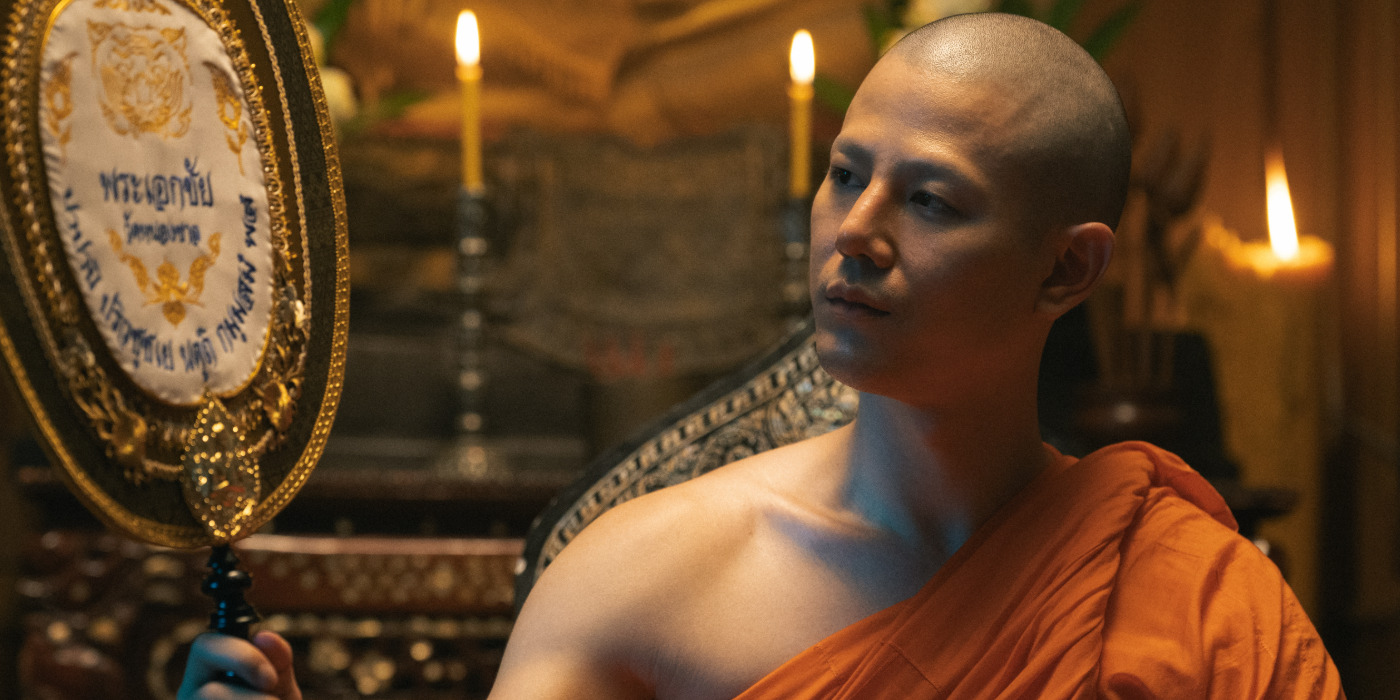
‘The Believers’ is a crime drama series where a group of friends go into the faith industry to exploit temple goers for their own monetary gain. While the protagonists start on this legally dubious venture with an investment in the Phummaram Temple, by season 2, their operations have escalated with the provincial Nong Khan Temple. However, with the scale of their scam, the size of the danger surrounding them also grows in magnitude. Councillor Ae, daughter of the shady politician Wut, is the one who has backed Win and Game into a corner, compelling them to amass one billion baht through temple donations in a handful of months. On paper, the money is supposed to go for the construction of a Nong Khan Hospital, offering services to the public. However, behind the scenes, it leaves plenty of opportunities for embezzlement and skimming. Thus, the temple becomes an extension of the series’ overarching themes, which explore the potential for exploitation within religious institutions. As such, the Nong Khan Temple’s crucial role in the season makes its origins worth exploring.
The Nong Khan Temple is a Fictional Temple That Highlights the Potential For Exploitation in Merit-Making Practices
In the fictitious world of ‘The Believers,’ the Nong Khan Temple is another fictional element that serves the purpose of advancing the plot forward. In real life, there’s no identical temple that presents an off-screen counterpart to the on-screen location. Even so, the fictional temple is grounded in realistic Buddhist practices, infusing the show’s narrative with an increased sense of realism. For instance, unlike the amulet business introduced in the show through the Phummaram Temple, in season 2, Win comes up with a new scheme to drive in patron donations. He devises a plan for the construction of a giant gold and silver Pho tree, allowing temple-goers to buy tokens to add to the structure as a symbol of their merit marking.
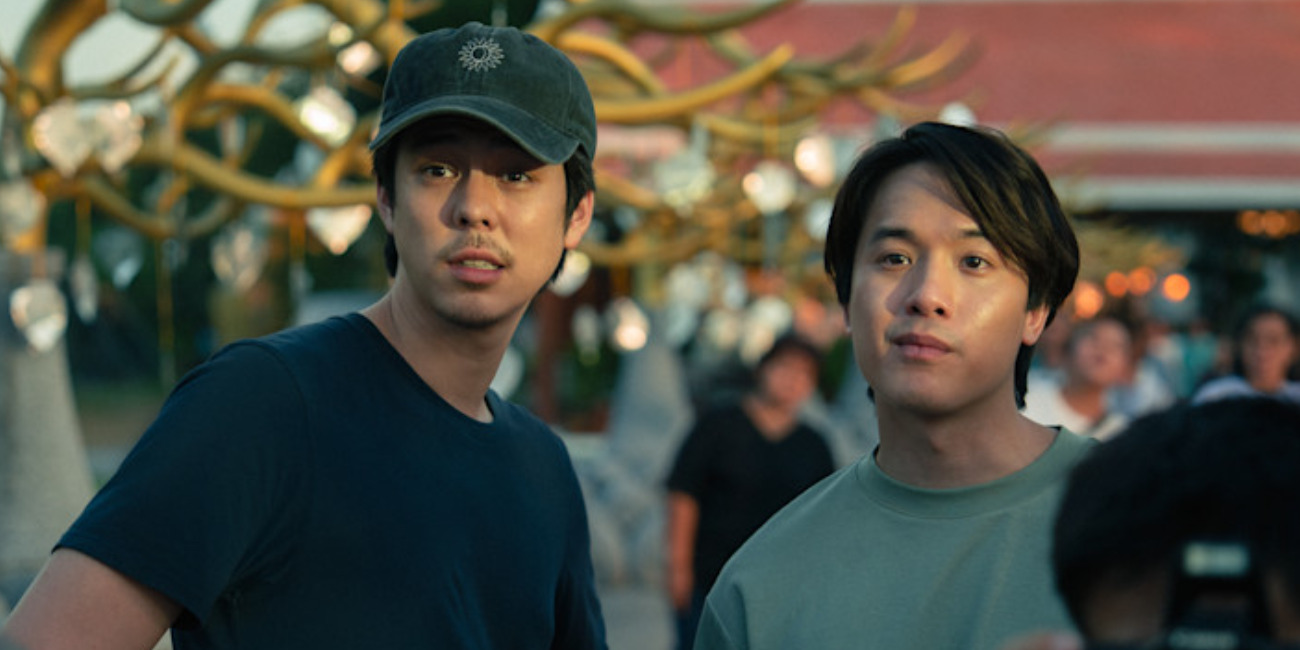
Although this exact application of the practice isn’t replicated in any real-life temples, the idea of using trees for merit-making is highly prevalent in Buddhist culture, especially in Thailand. The concept of merit-making itself is based on the principle of Karma, which dictates that a person’s good and bad actions/intentions influence their future. Through merit-making, one accumulates good karma for one’s life and potential afterlife. Although merit can be made in a number of ways, including good deeds and actions, monetary donations to a temple are also a frequent method employed by millions worldwide.
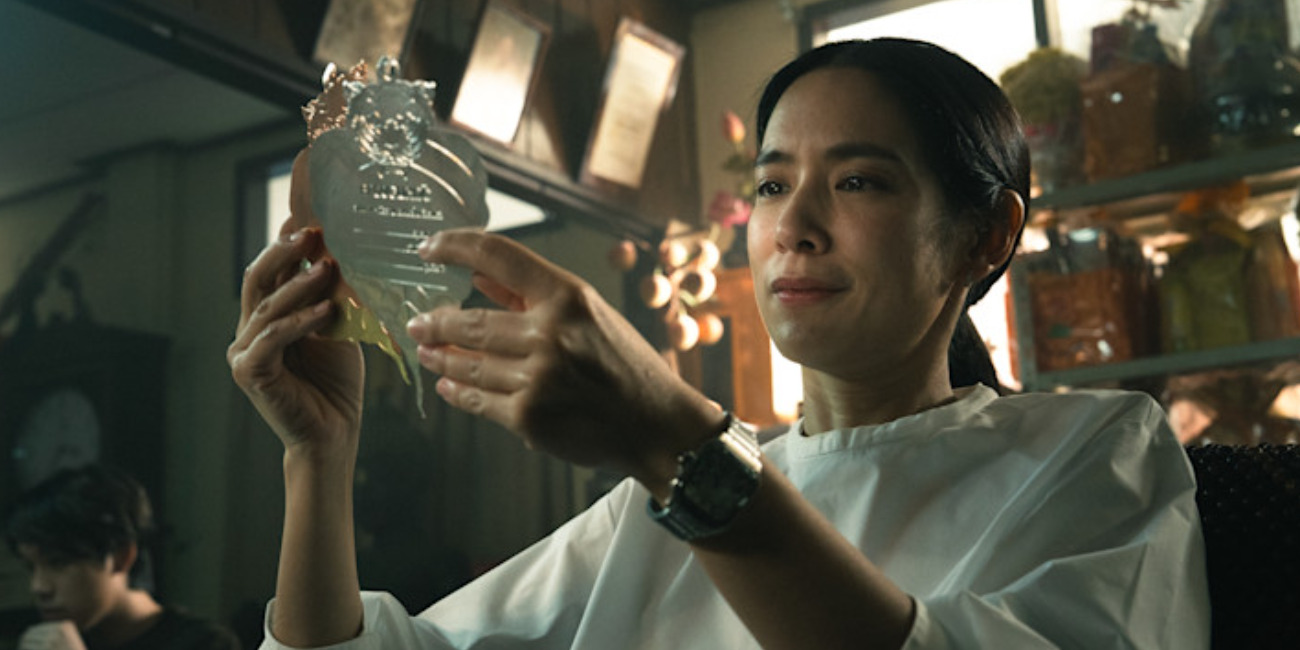
However, in ‘The Believers,’ a specific aspect of this practice and the potential it introduces for exploitation is explored. Monetary donation-based merit-making opens up the doors for greedy individuals, like Win, Ae, and even Monk Ekachai, to exploit the system for their own benefits. In doing so, religion and faith become a tool for corruption for the people in power. In fact, corruption through fraud is a highly prevalent issue in Thailand in connection with holy temples. In 2025, a high-ranking Buddhist monk, Luang Phor Alongkot, was arrested for alleged embezzlement of donations at an HIV/Aids hospice care center. Although the show doesn’t employ this instance as a source of inspiration for the plotline surrounding the Nong Khan Temple, it provides substantial context for the fictional temple’s on-screen narrative. Ultimately, the location, confined within the show’s fictitious premise, expands its thematic elements surrounding the corruption in the faith industry.

