
 Abhiroop Das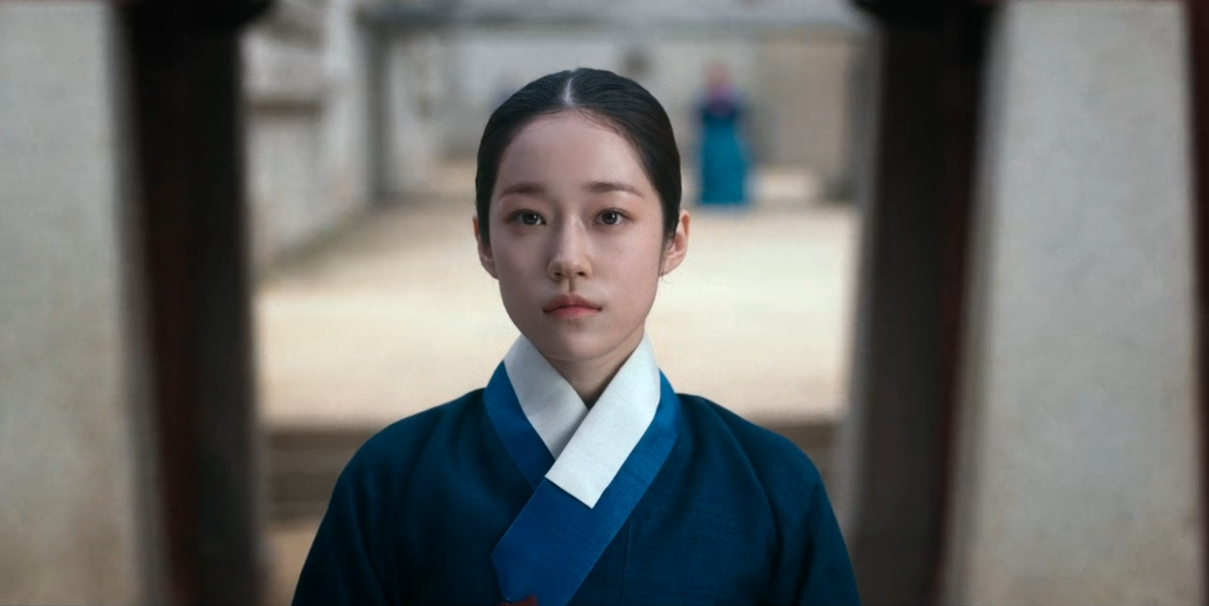
Co-created by Choi Jung-kyu, Kwon So-ra, and Seo Jea-won, Netflix’s ‘The East Palace’ nestles itself in the eponymous home of the Joseon-era monarch, whose lineage is threatened by the arrival of a mysterious curse. Rumors of a pond spirit begin spreading throughout the sprawling complex, until a young but bratty shaman is brought to save the day. Gu-cheon is believed to have the ability to see spirits, but what he truly encounters in the East Palace is a body of secrets that spans not just years, but decades. A lot of blood has been shed over the years to achieve and then consolidate the throne, and all of it seems to have left the palace with a malevolent spiritual energy, one that Gu-cheon cannot shake off easily. In many ways, Gu-cheon’s real challenge in this Korean dark fantasy series is to unravel all of the palace’s mysteries before it’s too late.
A Real-Life Korean Palace Potentially Serves as the Blueprint For the East Palace
The East Palace is most likely a fictionalized recreation of the real Changdeokgung Palace located in the Jongno district of Seoul, South Korea, which is often referred to as the East Palace of the Joseon dynasty. With the series dramatizing Joseon-era Korea, many historical names, locations, and details have been augmented with a supernatural twist, and the royal palace is one such fixture. The Joseon dynasty began in 1392 and spanned more than 500 years. The remains of its palatial structures serve as reminders of the power it once held. The first palace in Seoul built under Joseon rule was actually not Changdeokgung, but Gyeongbokgung, and it remained the main palace in official and legal capacity for quite some time. However, a number of kings reportedly preferred staying in the East Palace, which is how it became uniquely significant.
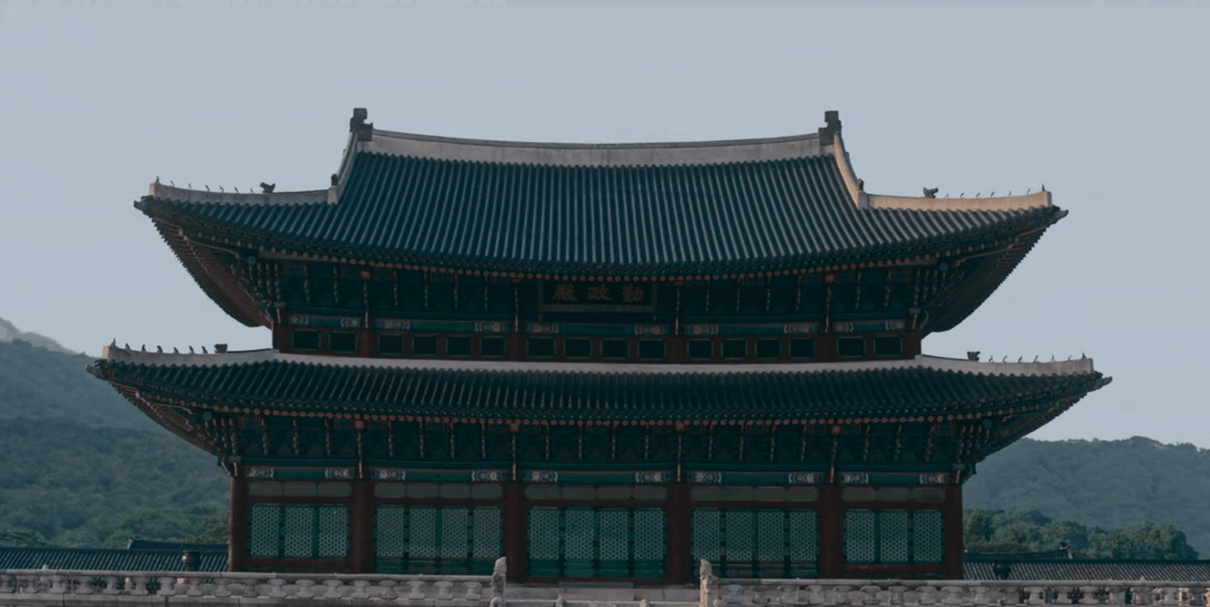
In the show, the East Palace is never referred to as Changdeokgung, which suggests that writers So-ra Kwon and Jae Won Seo deliberately constructed their setting with only loose references to history. The lack of a clear connection allows the creative team to be more experimental with how the palace is designed and described, which is important considering the dark fantasy genre of the show. That said, the similarity in names is not the only overlap between the fictional East Palace and Changdeokgung. In fact, the real-life palace also houses a famous pond, called Buyongji, in its rear gardens, which lines up with the show’s setting.
The East Palace’s Korean Title is a Callback to a Structure Older Than Changdeokgung
Notably, the Korean title of the show, ‘Donggung,’ points towards an altogether different historical inspiration, that being the iconic Donggung Palace in Gyeongju, South Korea. The complex, built in 674 CE and associated with the Silla Kingdom, is synonymous with Wolji Pond, which was built around the same time and is situated close to the palace. While the show’s rendition of the East Palace is a lot different from its real-life counterpart, both in design and time period, the actual connection can be found in the significance of the term “east palace” itself. Traditionally, eastern palaces were often built to house the crown prince of a kingdom, as seen in the real-life Donggung Palace. In the show, the character of the crown prince plays a significant role in shaping the plot and its thematic underlayer, which might be why the creators decided to go with this specific title.
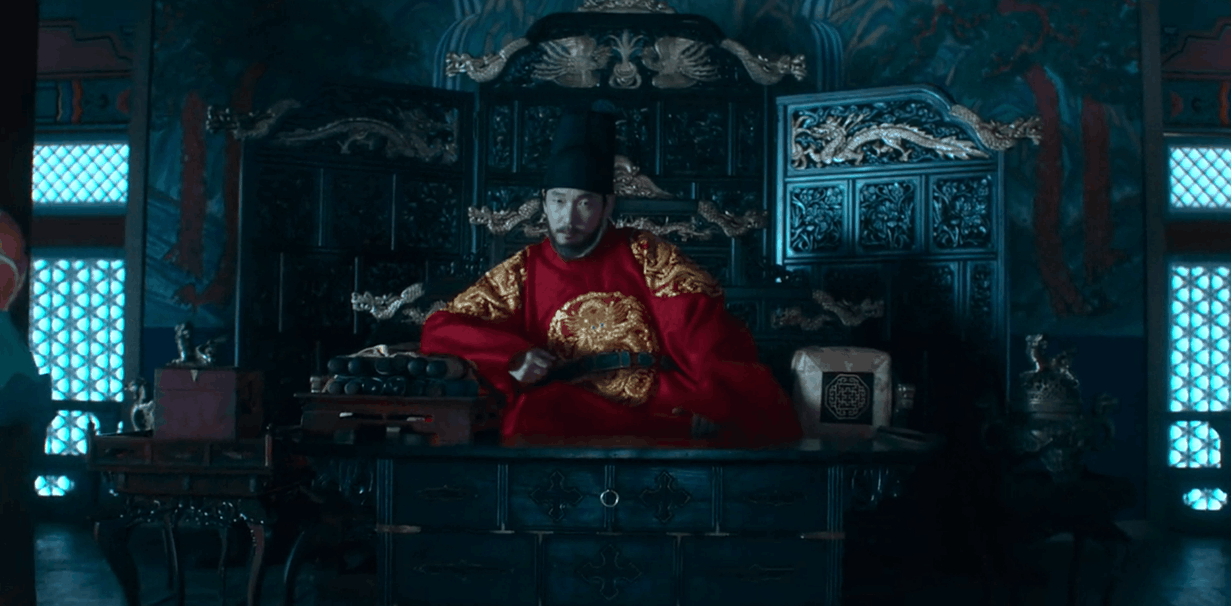
While the show’s visual palette seems to draw a lot from these real-life palaces and their associated structures, the writing team has yet to confirm the connection as of writing. More emphasis is given to the supernatural and political side of the story, which uses the monarchy and its place of living as a springboard for narrative developments. While ‘The East Palace’ loosely borrows from the Joseon kingdom’s architectural style and aesthetics, the show intentionally holds back on its historical realism.
The East Palace is Brought to Life Through Elaborate Sets and Soundstages
Despite the visual similarities, neither Changdeokgung nor the Donggung Palace serves as a filming location for the show. In reality, a collage of historical landmarks and intricate set design brings the East Palace to the screen. Reportedly, the crew built a number of open sets and soundstages in Yeoncheon County, Gyeonggi Province, as well as the mountain pass of Mungyeong Saejae in Mungyeong-si, to replicate a Joseon-style palace from the ground up. Additionally, Jogokgwan, the historic Second Gate of the Mungyeong Saejae pass, also doubles up as a fort construct in the series, lending the East Palace a proper sense of size and scale.
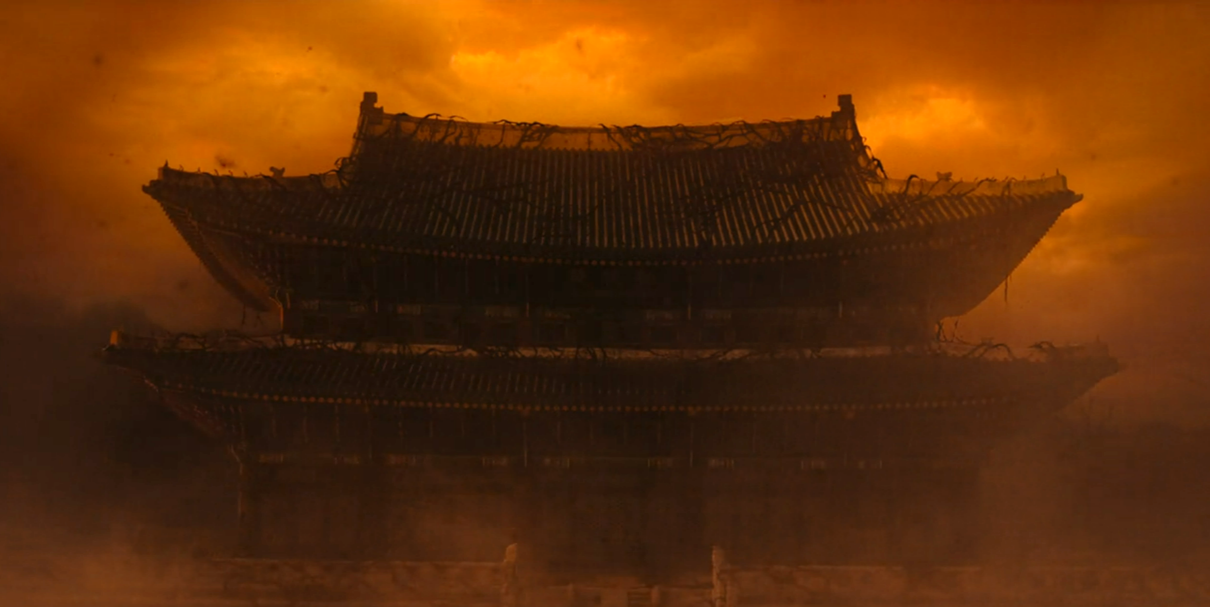
Given the extensive VFX work that is employed in the show, it makes sense for the creative team to build sets from scratch rather than utilize real-life palatial fixtures, many of which serve as tourist destinations. That said, Changdeokgung in particular is no stranger to serving as a backdrop to period drama movies and series. Most notably, the iconic Netflix show ‘Kingdom’ utilizes the palace as one of its key lensing locations. Titles such as ‘Dong Yi,’ ‘Love in the Moonlight,’ and ‘Moon Embracing the Sun,’ all feature this UNESCO World Cultural Heritage site as a setting. In the case of ‘The East Palace,’ however, the references to Changdeokgung are rooted more so in the narrative itself, rather than any singular place.
Read More: The East Palace Ending Explained: Is Gu-cheon Dead or Alive? Who is the Pond Spirit?

