
 Saagar Kote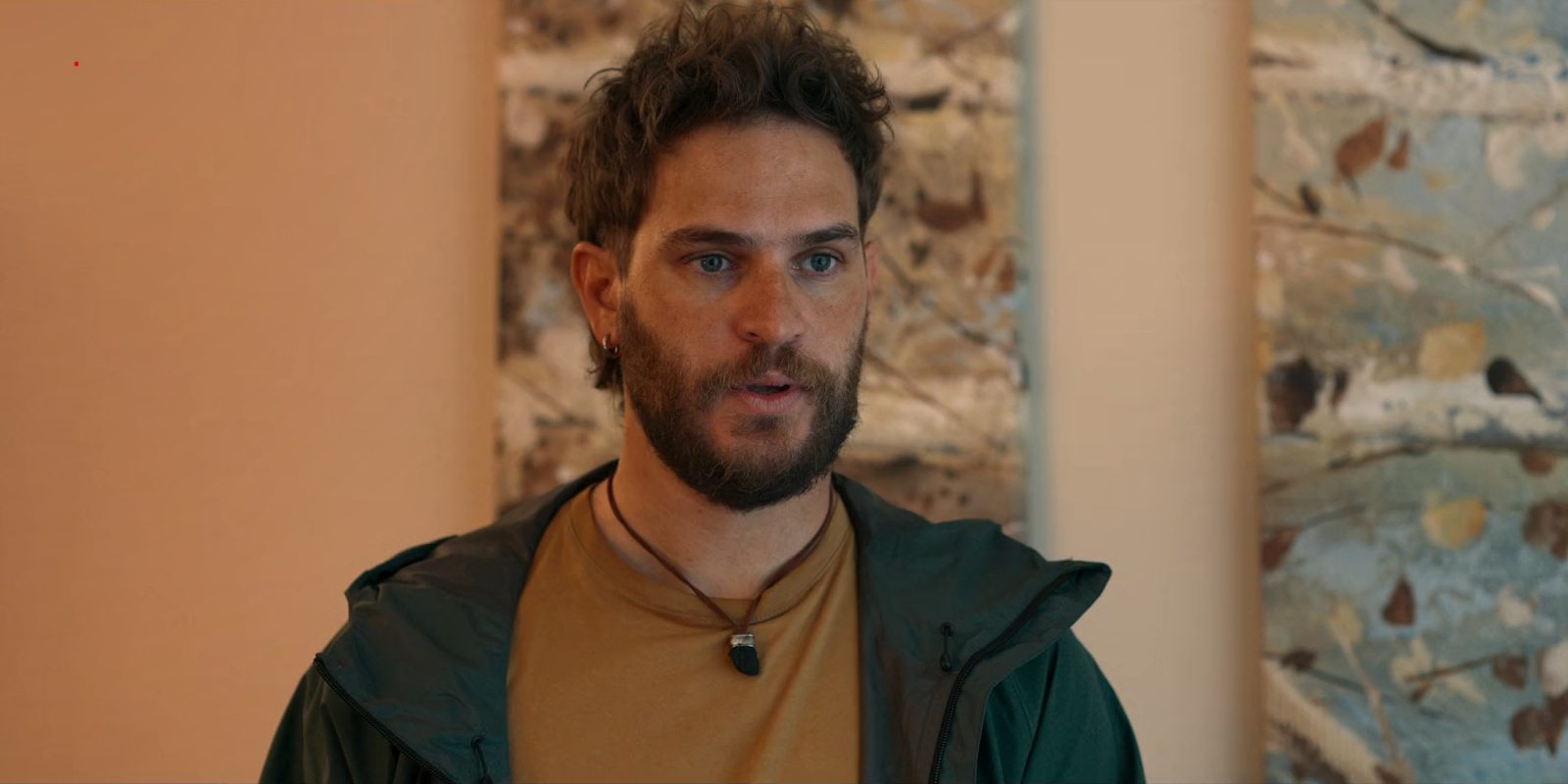
Netflix’s ‘The Giant Falls’ (‘El último gigante’) is an Argentine drama that chronicles the trials and tribulations of a tour guide named Boris. He works at the Iguazú National Park, taking tourists on boat rides and sightseeing adventures. He lives a life of contentment, supported by his mother, Leti, and his lover, Alba. What seems like a peaceful life is disrupted when Julián, his estranged father, returns after nearly three decades. With years of anger toward Julián weighing on him, Boris struggles to cope with his father’s sudden appearance.
What follows is a complicated journey of connection, egos, secrets, and disagreements between the father and the son. With both men dealing with layered emotions, the journey becomes increasingly volatile. Surrounded by the beauty of nature and the uncertainty of fate, Julián and Boris have difficult conversations that may challenge their views on family, life, and love. Directed by Marcos Carnevale, the narrative is visually and philosophically engaging.
The Giant Falls Unpacks the Emotional Nuances of a Father-Son Bond
‘The Giant Falls’ is a fictional story written by the director Marcos Carnevale. The relationship between Julián and Boris is at the heart of the narrative. The diverse conversations between the two men and their ethical conflicts add to the tale’s effectiveness and realism. The film also explores the nature of the male ego and the difficulty men often face in sharing emotions. Initially, Boris hesitates to come to terms with his father’s return, still harboring years of pent-up anger, and refuses to engage in any meaningful conversation. On the other hand, Julián wishes to apologize for everything that he has done in the past and also find a meaningful way to define this chapter of his life with Boris. The intriguing commentary on the cost of resentment and apathy is also a major part of the movie.
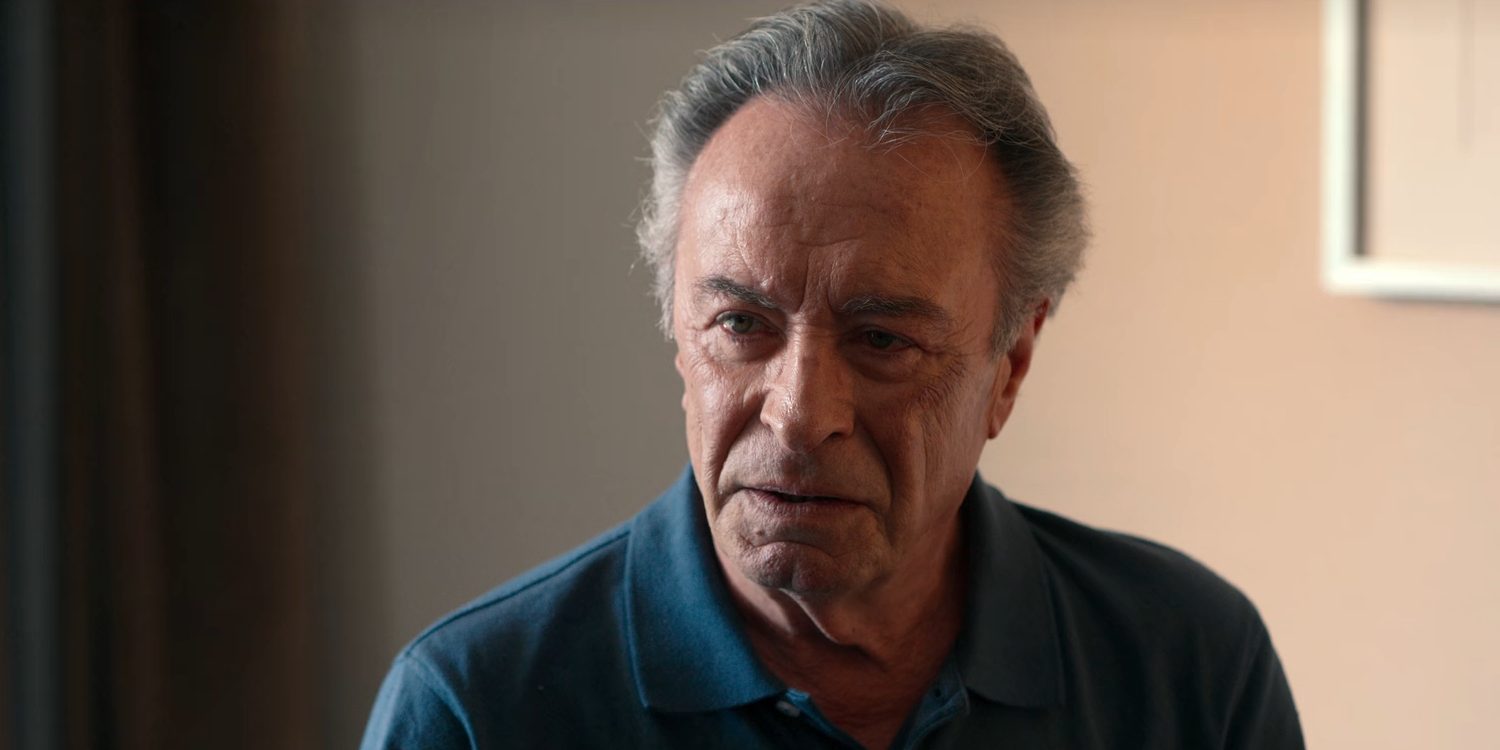
The world in which ‘The Giant Falls’ is set adds weight to the dynamics between Julián and Boris. The overwhelming guilt Julián feels for abandoning his son at a young age is reflected in how small he feels amid the grandeur of nature and the vastness of the waterfalls. His desperation to reconnect with his son and earn absolution also underscores how old age and the passage of time can offer individuals perspective. Given his youth and the past abandonment by his absent father, Boris struggles increasingly to reconcile his conflicting emotions and manage his trust issues.
The movie delves into the deeper aspects of the bond between the father and son and doesn’t use the two characters for shock value or emotional manipulation. The social commentary in ‘The Giant Falls’ stems from the grounded, philosophical conversations between Julián and Boris. Ultimately, the Marcos Carnevale directorial is both a celebration and an exploration of the father-son bond, shedding light on both the negatives and the positives.
The Giant Falls Touches Upon the Themes of Forgiveness, Empathy, and Closure
Human emotions are often extremely complicated and characterized by layers of secrecy. Through its unique characters, ‘The Giant Falls’ captures the essence of human emotions, especially the act of forgiveness. Julián seeks forgiveness from Boris for past actions, while also realizing that doing so will not be easy for him. The narrative also highlights the importance of empathy in people’s lives and how it can help individuals overcome pain and negative thoughts. In the story, empathy is not treated as a sign of weakness but seen as an essential part of the human condition. These intricate emotional themes give the film a sense of grounded intensity.
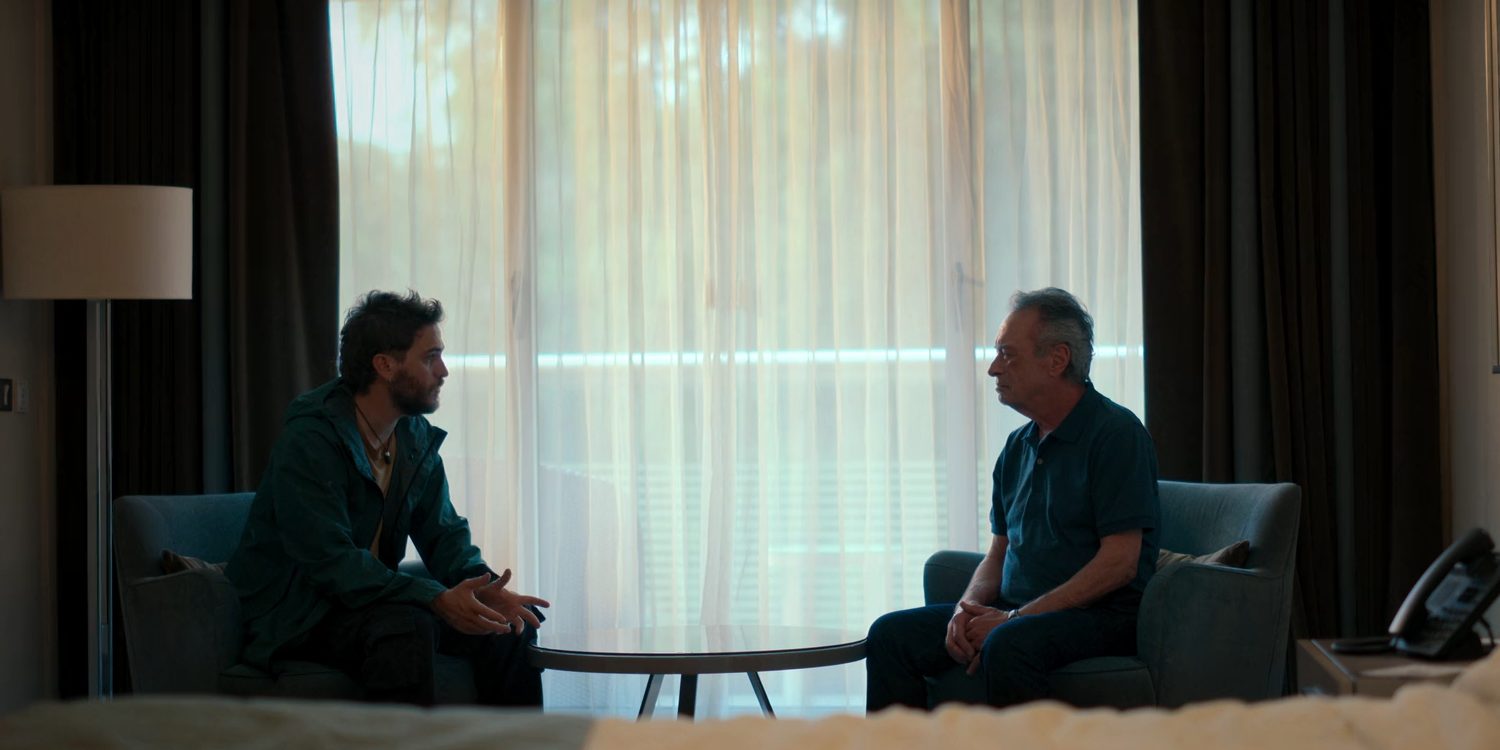
In a sequence, Julián tells Boris’ mother, Leti, that he wishes to end this chapter of his life. He is looking for closure after years of struggle against guilt. The feelings Julián and Boris carry in their souls are somewhat akin to the struggles between father and son in the movie ‘The Judge,’ directed by David Dobkin. When people reach the later stages of their lives, emotional closure becomes an extremely important part of their reality. With every major life decision haunting his soul, Julián, too, seeks a sense of closure through his conversations with Boris. These social themes convey the heart of the movie’s moral debates and philosophical richness.

