
 Aahana Swrup
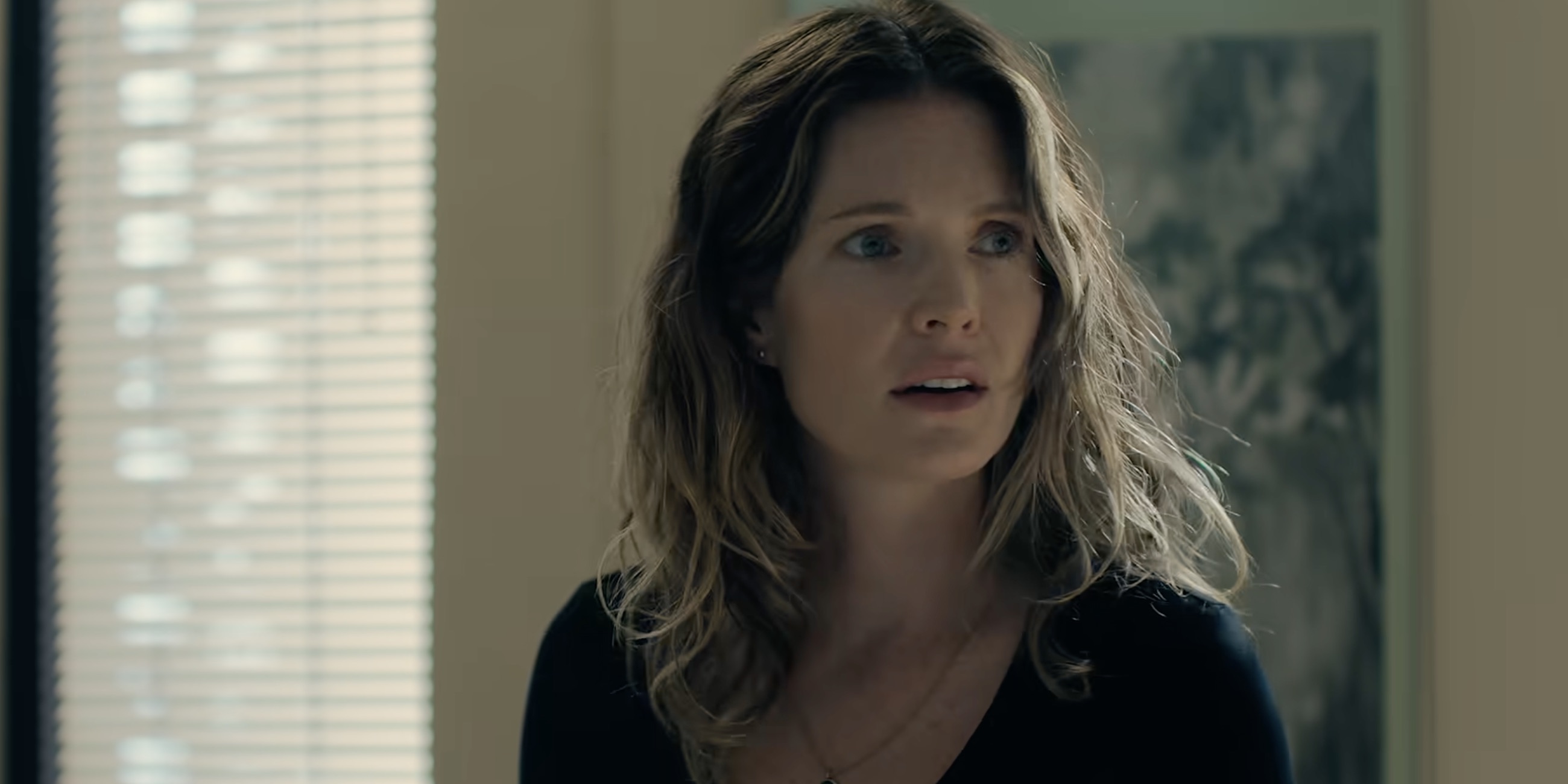
Created by Karin Slaughter, ‘The Good Daughter’ is a crime thriller series set in a small Southern town. It follows the story of the Quinn family, who fell victim to a violent home invasion attack 28 years ago. On that fateful day, sisters Sam and Charlie lost their mother, each undergoing a unique trauma of her own. Now, as the two have grown older, they have grown apart, distanced both emotionally and geographically. The younger sister, Charlie, remains in her hometown of Pikeville, joining her defense lawyer father, Rusty Quinn, in the family business.
Meanwhile, the eldest daughter escapes to New York, earning the big bucks in Patent Law. Nonetheless, when the town undergoes a peculiar school shooting case, where neither of the resident Quinns can represent the alleged teenage perpetrator, Sam finds herself reluctantly returning home to face her family and her past. The show employs its criminal storyline as a vehicle to drive forward an intimate and profound tale about a family that is carrying scars of its unresolved past. In doing so, the story touches upon various universally resonant themes of sisterhood, trauma, and the difficult reality of recovery.
The Good Daughter is Based on Karin Slaughter’s Crime Fiction Novel
‘The Good Daughter’ presents a captivating story about a family of lawyers who come to work together on the defense case of a teenage school shooter while running from a violent past of their own. Despite the crime-driven elements in the story, the series itself has no tangible basis in reality. Instead, it’s a book-to-TV adaptation of an eponymous novel from 2017 written by Karin Slaughter. The author of the crime fiction novel helms the project herself as the showrunner. She also penned all six episodes for the show, alongside her co-writer Debbie Ezer. Since the original creator of the book remains at the forefront of its television adaptation, it allows the series to largely stay faithful to the source material.
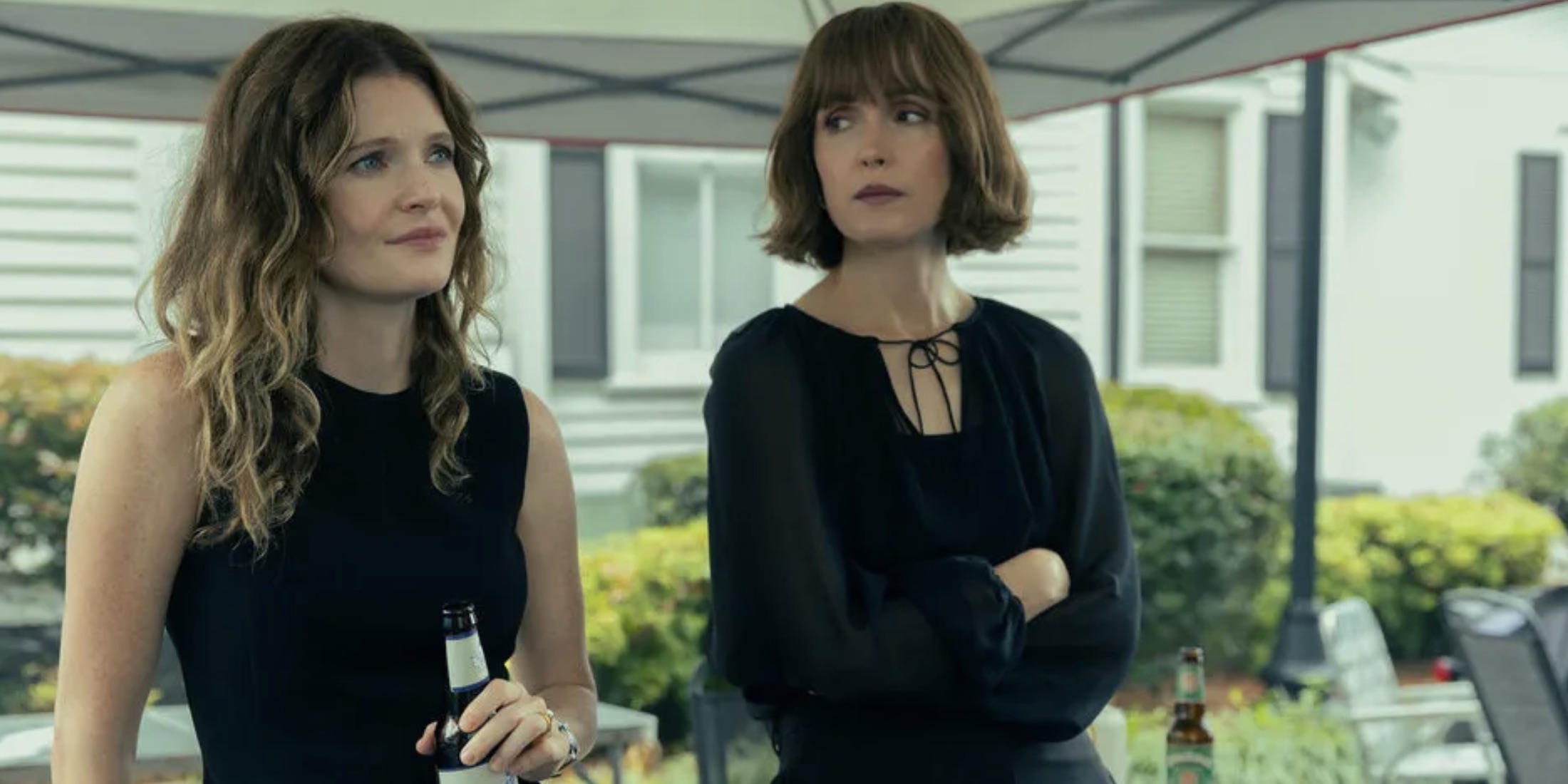
Consequently, the occasional minor changes that do exist between the series and its bookish counterpart result from the translation between the two media. With Slaughter as the showrunner, the series enjoys the benefit of retaining the same foundational identity that informs the novel’s sense of realism. For instance, a notable aspect of the book’s attraction stems from its authentic and grounded portrayal of southern small towns. From the tight-knit communities to the scope for internal corruption, ‘The Good Daughter’ delves into nuanced topics with relative realism. This is largely because Slaughter herself was born and raised in Georgia, which remains her primary residence to this day. The author/showrunner’s personal geographical and cultural connection to the story carries over even in the television adaptation, which employs real Southern cities as its primary filming location.
The Good Daughter Offers Nuanced Representation of Realistic Survivorship
The core theme that informs the storylines of the Quinn family members and their interpersonal dynamics stems from a brutal tragedy that they underwent 28 years ago. A targeted home invasion attack led to the murder of the family matriarch, Gamma, and scarred her two daughters, Sam and Charlie, in prominent ways. Even decades later, both sisters and their father continue to struggle to come to terms with the incident, both as individuals and as a unit. The two daughters in particular got through horrifying violence on their own that shapes their various realities as adults. In exploring this aspect of the story, showrunner Karin Slaughter wanted to remain vigilant about highlighting the characters’ unique experiences as survivors.
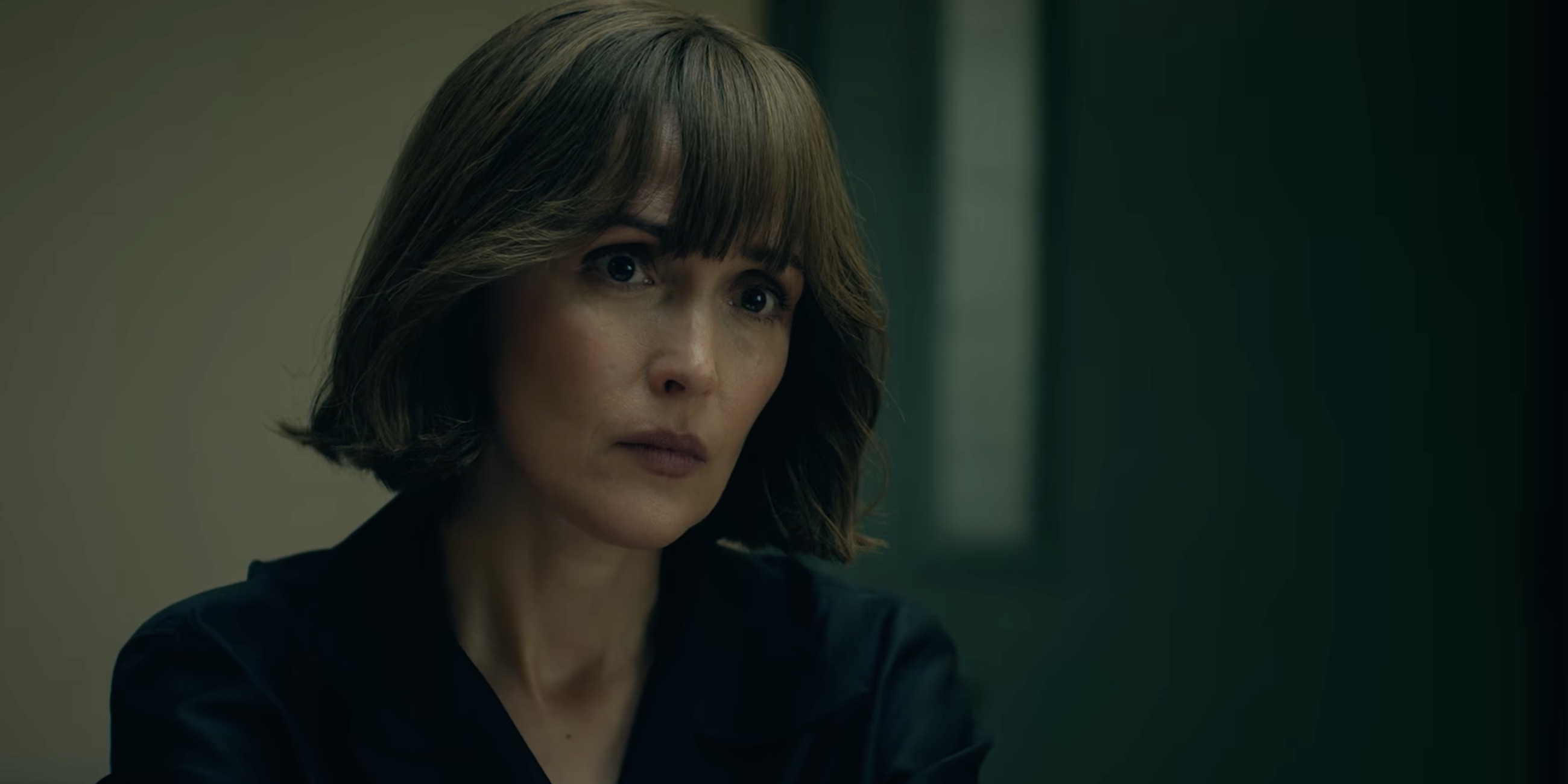
“I’m very mindful that when you see a woman’s body, you think about how you feel, and when you see a man’s body, you think about how the man feels,” Slaughter told Today. “So I wanted to really make sure that we weren’t being exploitative and we were showing this (Sam and Charlie’s childhood) perspective.” Due to the nature of the heavy themes of assault, gun violence, and trauma presented through these storylines, the showrunner and her crew made sure to provide the appropriate resources on the set. Reportedly, there were mental health specialists available to the cast and crew every day. This helped create a safe space for the creatives, even as the project itself dealt with darker, emotionally taxing themes.
Karin Slaughter Studied a Real-Life Case in Preparation for The Good Daughter
The criminal cases presented in ‘The Good Daughter’ remain confined within the fictional boundaries of the series. In real life, there are no records of cases identical to the school shooting involving Kelly Wilson or a murder comparable to the death of Gamma Quinn. Yet, creator Karin Slaughter did take some loose inspiration from a real-life case of the West Memphis Three. It refers to the three individuals, Damien Echols, Jason Baldwin, and Jessie Misskelley Jr., who were convicted in a brutal murder case in West Memphis, Arkansas. The case revolved around the gruesome murder of three 8-year-old boys, Stevie Branch, Chris Byers, and Michael Moore, whose bodies were discovered on May 6, 1993, near Interstate 40.
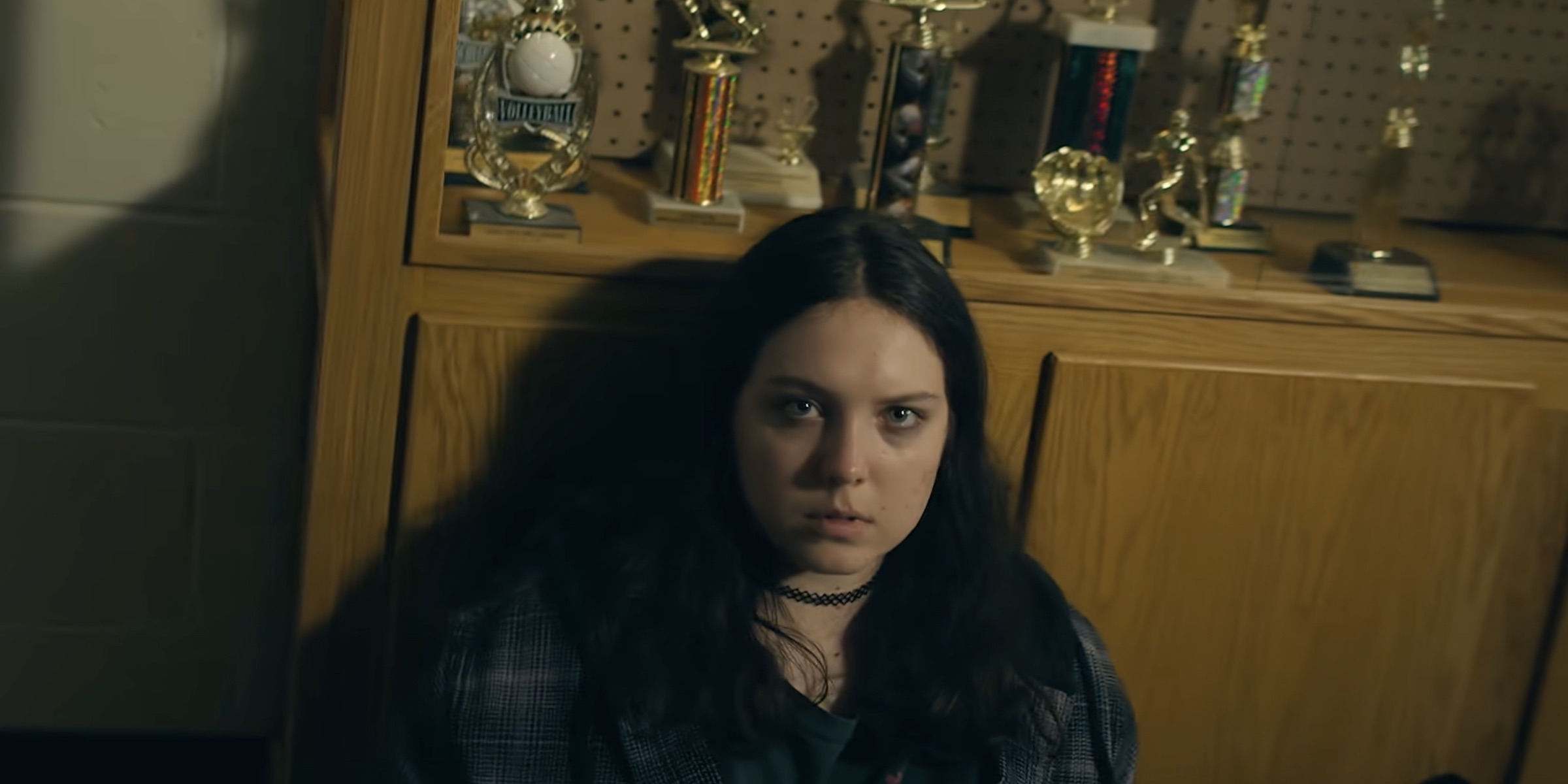
A month into the investigation, the authorities arrested Echols, Baldwin, and Misskelley Jr. in connection with the case, and the three teenagers were eventually convicted of the murders. One of the crucial pieces of evidence that the police had against this trio was 17-year-old Misskelley’s confession. However, the confession, procured during a 12-hour interrogation, was later recanted by the teenager. Notably, the convict had gotten various facts about the murders wrong in this confession. Years after the trio was convicted and sentenced to prison, people began to doubt the convictions as criticism of the investigation arose.
Ultimately, the West Memphis Three were released from their sentences after serving 18 years in prison. Their release was a result of an Alford plea deal, which let them proclaim their innocence while acknowledging that the prosecution had enough evidence to warrant their convictions. Although this case has no direct connection to the on-screen fictionalized story of Kelly Wilson, it was one of the cases that Slaughter researched for ‘The Good Daughter.’ The showrunner was interested in studying the nature of Misskelley Jr.’s confession, which she considers to be false. Although indirect, the influence of such real-life cases allows the show’s fictitious narrative to hold on to a sense of realism that is grounded in real stories about the justice system.
Read More: The Good Daughter Ending Explained: Did Kelly Kill Pinkman and Lucy?

