
 Diksha Sundriyal
In Netflix’s ‘The Great Flood,’ a woman named An-na has to fight to protect her son, Ja-in, while the world is consumed by an apocalyptic flood. On the surface, it seems she is entirely focused on making sure she and her son survive this ordeal, but with time, it is revealed that there is much more to their relationship than just mother and son. This also means that the bond between them is complex, and it unravels in different ways. The second half of the movie presents a revelation that makes the audience stop and wonder about a key element of the story. It relates to Ja-in, his true parentage, and what it really means for An-na to be his mother. SPOILERS AHEAD.
Ja-in is the Future of Humanity in The Great Flood
At one point in ‘The Great Flood,’ it is revealed that the world ended up in its current state because of an asteroid. It hit Antarctica, melting the ice of the entire continent and dramatically raising sea levels to the point that half of Japan is underwater now, and the same thing is happening to South Korea as well. When Ja-in wonders how the authorities didn’t know about the asteroid and why they didn’t do anything to stop it, she is told that they did know about it, but they also knew there was no stopping it. They saw no point in telling the public and creating havoc, so they kept it a secret, and now the whole world is doomed. This is also when it is pointed out that the project Ja-in was working on was created just for this situation.
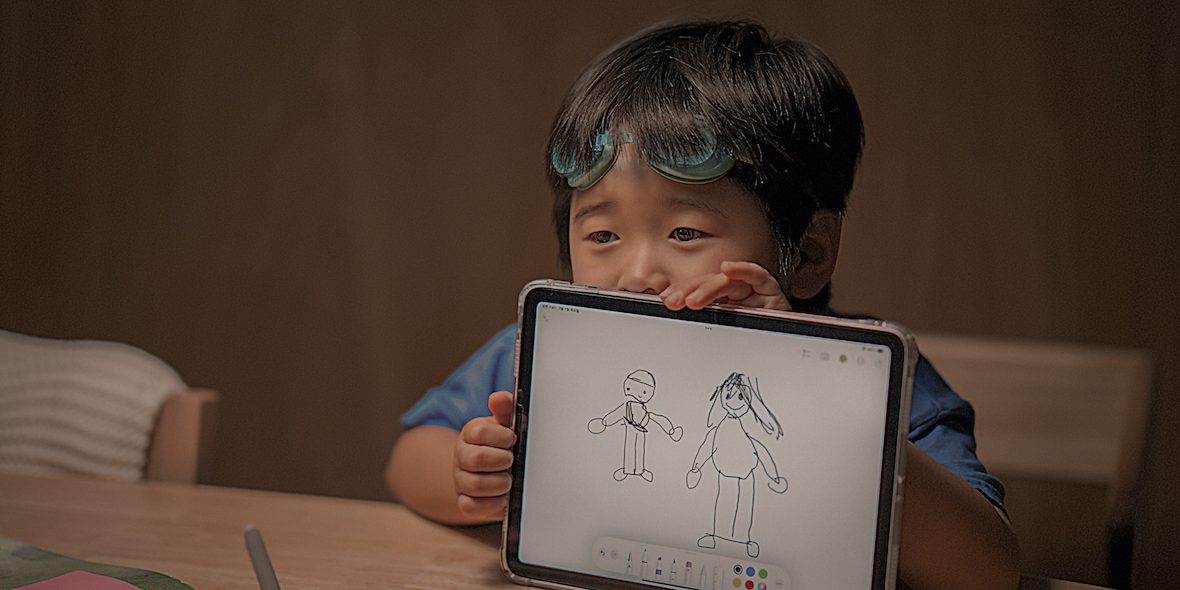
The authorities knew that the asteroid was bringing the end of humanity as they knew it, but there was a way to keep humanity, if not humans, alive. They knew that reproduction was the way to keep the world going, but with most humans dead, conceiving a child would not only become more difficult, but it would also need to be a certainty, which would be an impossible feat. Moreover, after the flood subsided and things started going back to normal, they would have to repopulate the Earth as soon as possible, and it wouldn’t be possible with the normal approach. This is where technology comes into the picture. The scientists decided that they would make new children, and thankfully, the available tech allowed them to do that. They could create babies, who would be real babies in all senses of the term.
They wouldn’t come from a natural womb, but they will be made of fiber and muscles and bone, which would make them nearly identical to a biologically born child. These children wouldn’t be human babies in the traditional sense of the term, but they won’t be robots either. They would just be a new kind of human, created in a lab, with all the functions of a human, be it eating, defecating, talking, or running. They would be created as newborn babies and would go through the whole cycle of growth from infancy to adulthood, having human experiences and doing all the things that a human is supposed to do or is capable of doing. It is with this thought that Ja-in and other children like him are created.
A Missing Element in Ja-in and the Others Leads to the Events in The Great Flood
While babies like Ja-in would be brought into the world of humans as new types of humans, their physiology wouldn’t be the only thing that allows them to be of the human race. What sets humans apart are their emotions, their emotional sensibilities that are earned over time. While Ja-in and other kids like him would be created in a lab, they will still be brought up in the real world, giving them the chance to grow up as normal human babies. The problem is that once the world ends, there might not be real human mothers left alive to do the job of raising them. This is where the idea of Emotion Engine enters the picture.
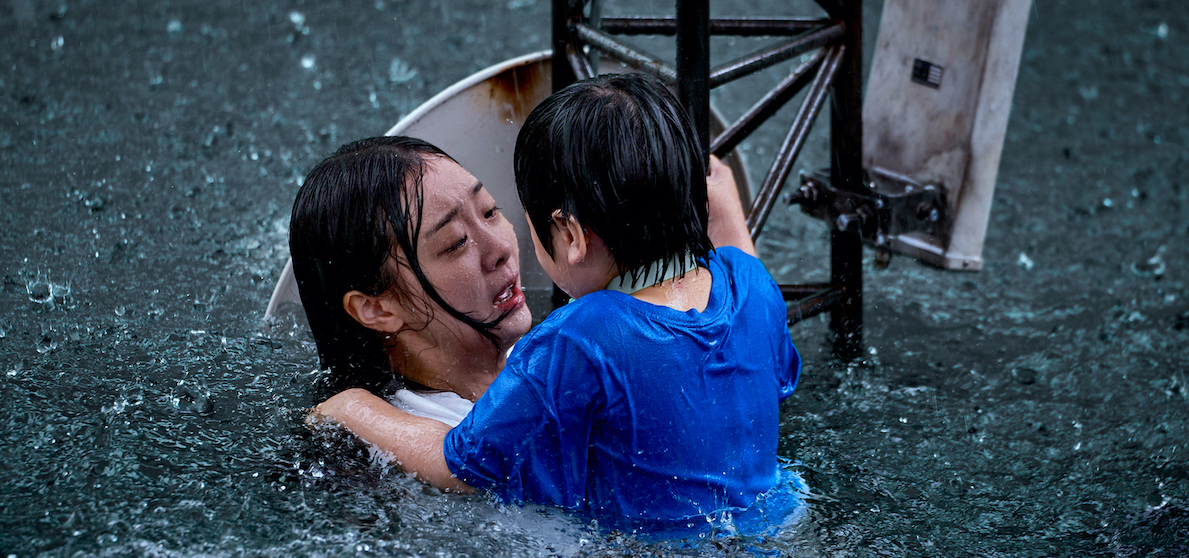
The children have already been introduced to it because they need to be able to develop emotions and learn how to be humans. But they will have years and years to learn that. The one that’s supposed to bring them up needs to have their emotional intelligence as soon as possible because the Earth does not have long, which means that the clock is running out for humanity as well. This means that the mothers for those children would also have to be created, which opens a whole new can of worms. The idea behind the Emotion Machine is that it will give the new children a chance to develop naturally and learn what it means to be human.
However, they would need someone taking care of these children, but already armed with that emotional sensitivity. Moreover, the harsh nature of the world means that the news mothers should be able to protect the children with their lives. This motherly instinct of love and protection takes time to develop, but the scientists don’t have time for that. This is why An-na suggests creating an experiment that puts the subjects through a series of hurdles to prove that they are ready to take on the task of being a mother and safeguarding the fate of humanity. It is this test that puts An-na through hell and back to ensure the safety of Ja-in, leading both of them to learn extensively from their experience and grow immensely.
Read More: The Great Flood Ending Explained: Do Ja-in and An-na Die?

