
 Abhiroop Das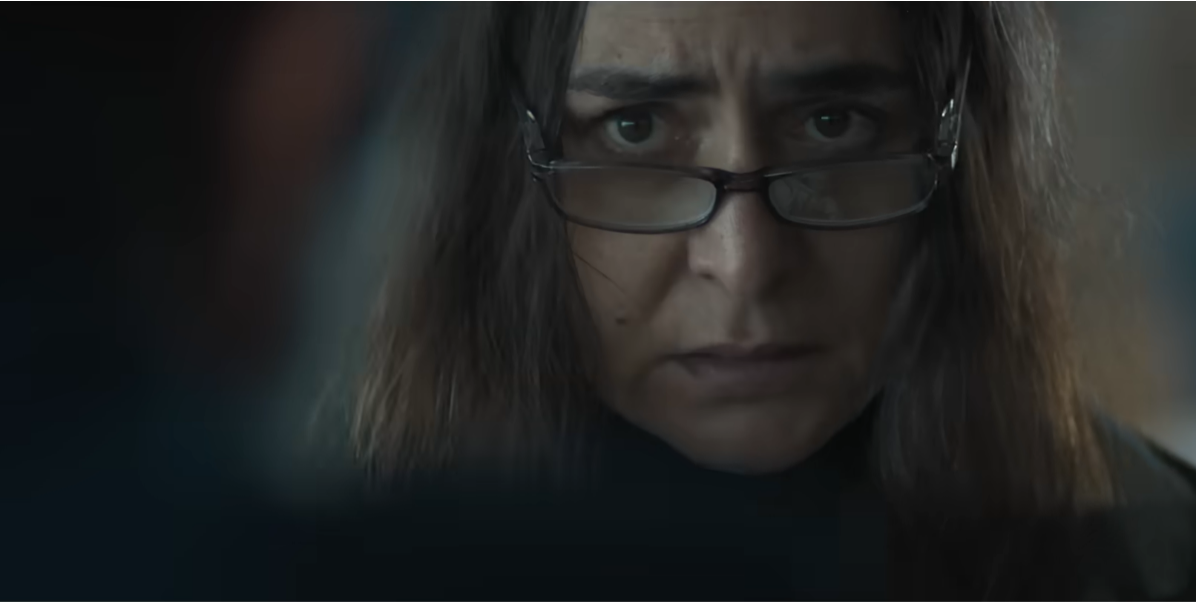
Directed by Gabe Ibáñez, Netflix’s ‘The Marked Woman,’ also known as ‘La Desconocida,’ is a Spanish movie based on the novel by Rosa Montero and Olivier Truc. The narrative brings together officers from France and Spain in a case involving an amnesiac woman who was trapped and tortured inside a shipping container. With no recollection of her abuser, the woman has to journey alongside the two officers, who hardly gel together, in their quest to retrace the events that might have led to all of this. With every piece of the woman’s past that is unlocked, the case only gets more, not less, complicated, hinting at a much larger conspiracy that is in the making.
Underneath the case at hand lies a story of the personal struggles of both officers Anna Ripoll and Qique Zarate. In the case of the former, a mystery that endures throughout the movie involves her brother, who has died under mysterious circumstances. While he never appears as a fully fleshed character in this crime thriller movie, Ripoll’s brother nonetheless shapes much of the narrative, as well as the story’s larger commentary on grief.
Anna Ripoll’s Brother Took His Own Life For Unknown Reasons
In ‘The Marked Woman,’ Officer Anna Ripoll’s brother is ultimately revealed to have died by suicide, for reasons that remain unknown. While this tragedy takes place before the events of the movie, it nonetheless informs Ripoll’s grief, as well as her larger approach to the case at hand. The fact that the unnamed woman, later revealed to be Clara, comes as a complete blank slate means that Ripoll has no baggage to worry about. However, as fate would have it, Clara’s case is one that is deeply connected to Ripoll’s past with her brother, at least on a symbolic level. The former ends up in a shipping yard while searching for her missing sister, Lucia, and, from the moment this truth is revealed, the plot makes a hard pivot, transporting Ripoll into the heart of a precarious sibling dynamic.

Though the story mostly keeps the mystery surrounding Ripoll’s brother in the background, it often manifests in the form of hallucinatory sequences. The idea is that his suicide is something that Ripoll simply cannot let go of, despite trying to use the case as a distraction. Her unhealthy coping mechanisms are perhaps best exemplified by her brother’s voicemail, which appears to be the last message he sent before taking his own life. Even after all this time, Ripoll still struggles to garner the courage to click on the voicemail and hear what it has to offer, as that brings a definitive closure to her dynamic with her brother. The fact that we are never given a confirmation as to why Ripoll’s brother took his own life is likely to extend Ripoll’s frustration to the audience. As she spirals into a cycle of grief and guilt, the reason itself becomes secondary to Ripoll’s feeling of not being there when she was needed.
The Voicemail Reveals a Heartfelt Message That Ripoll Needed to Hear This Entire Time
By the end of ‘The Marked Woman,’ Ripoll finds the strength within herself to open the voicemail, only to find that it’s her brother’s final message of love and affection for her. Almost as if he anticipated Ripoll’s self-destructive path, he reiterates that his decision does not reflect on their dynamic. On the contrary, he adds that she remained the one pillar of support that never left his side, even when things got too tough. However, with life being a puzzle made up of many moving parts, much of the mystery regarding the brother’s death still remains. What this voicemail does establish, however, is that Ripoll was never the one who inadvertently led to her brother’s death.
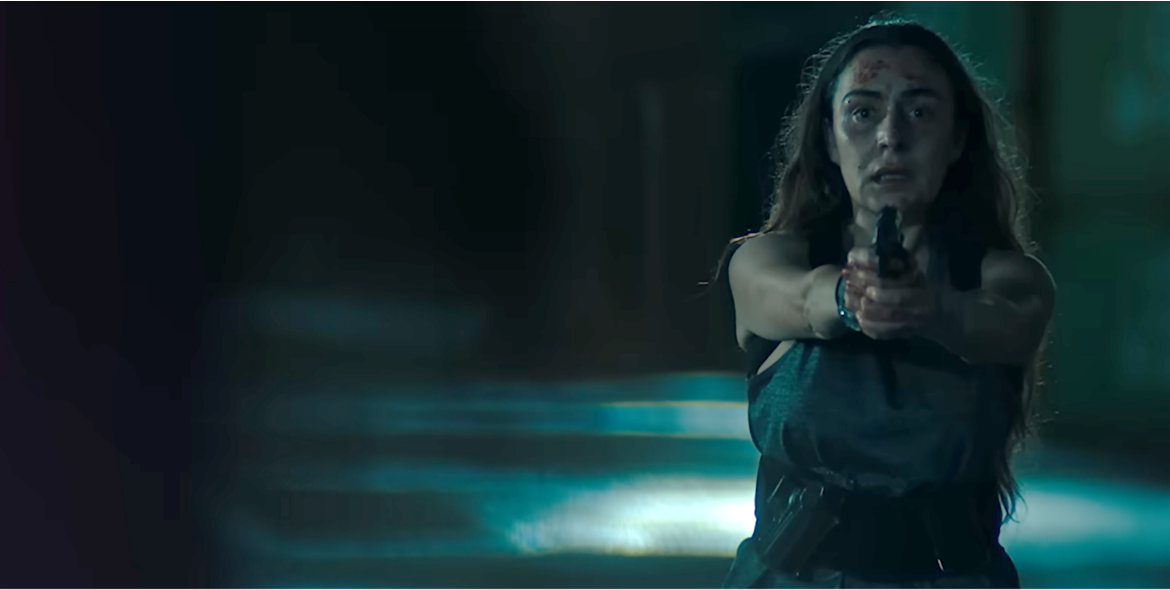
While it isn’t unsurprising that Ripoll’s brother reserves his loving final words for his sister, where the true meaning of this plot thread lies is in Ripoll’s fear of what the message could have been. In a way, she projects her own self-hatred onto the message, convinced that her prioritizing work over family is what led to all of this. If there is anything Clara’s case proves, however, it’s that the distinction between these two realms is superficial at best. By saving Clara’s life, Ripoll vicariously saves her own subconscious from her deepest, darkest fears. While Clara’s sister may have had a tragic end, just like Ripoll’s brother, the larger point of the movie is in how the two survivors emerge stronger and bolder than before, in control of how they choose to remember their loved ones.
Read More: Is Lurker a True Story? Are Oliver and Matthew Based on Real People?

