
 Abhiroop Das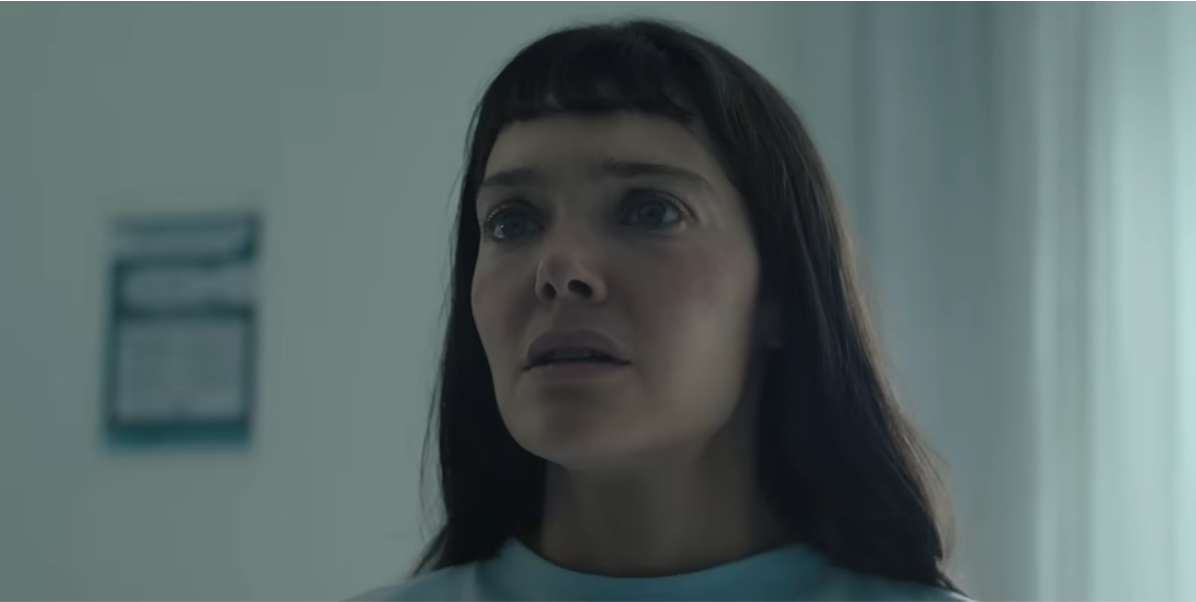
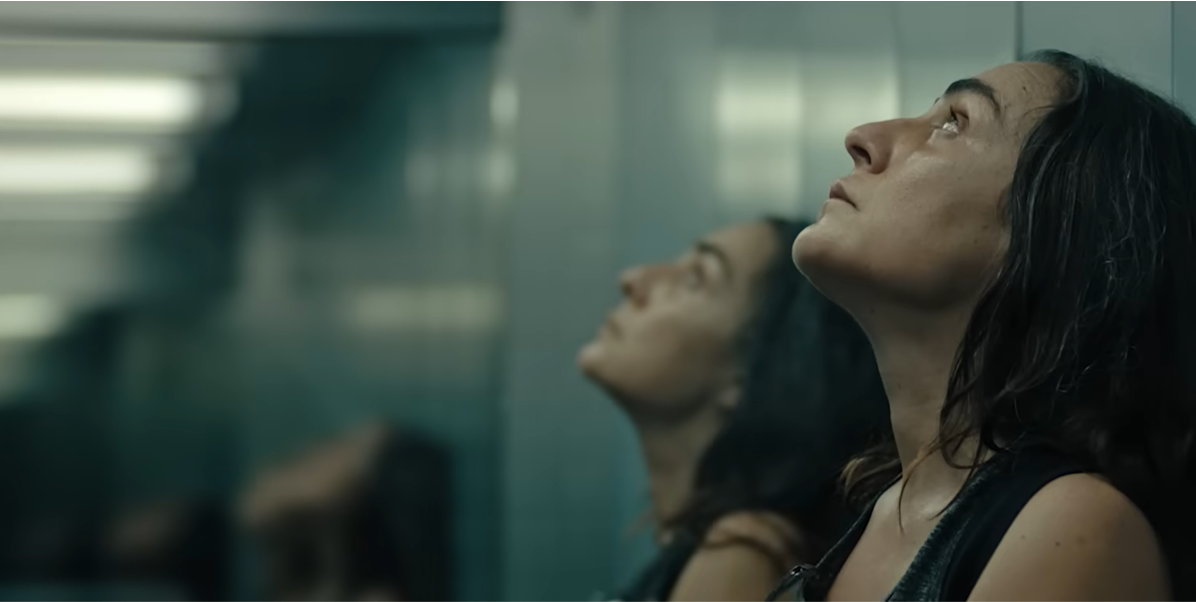
Helmed by Gabe Ibáñez, Netflix’s ‘The Marked Woman,’ or ‘La Desconocida,’ tells the story of a woman who is discovered in a near-death state inside a shipping container, with no memory of what happened to her or who did it. The case draws the attention of Officer Anna Ripoll, who has been away from work owing to a personal tragedy, and is eager to redefine her life. However, with every unfolding twist in this crime thriller movie, it becomes clear that the nameless woman’s past is just as enigmatic as her present and might just be connected to the neighboring nation of France.
Enter Officer Qique Zarate, who is asked to collaborate with Ripoll and unearth this mystery, no matter how many secrets are dug out in the process. Adapted from the novel by Rosa Montero and Olivier Truc, the story speaks to the precarious connection between memory and identity, and how that link can surpass borders and interpersonal relationships.
The Marked Woman is Based on Rosa Montero and Olivier Truc’s Bilingual Novel
‘The Marked Woman’ is a fictional story based on the novel ‘La Desconocida’ or ‘The Unknown,’ penned by authors Rosa Montero and Olivier Truc. What makes this story particularly unique is how it’s written, given that Rosa and Olivier are renowned authors in two different languages, Spanish and French, respectively. In line with that, the novel follows an alternating pattern where one chapter is written by Rosa in Spanish, followed by another chapter that is written in French by Olivier. This bilingual experience also ties into the narrative in how the premise involves both Spanish and French police officers to combine their minds and resources. Though a writing style such as this can be notoriously hard to adapt to the screen, writer Lara Sendim brings forth a fresh take on the story and its central mystery.
While ‘The Marked Woman’ may not be based on a real-life case, its origins can be found at the heart of the crime and detective storytelling, more specifically, in the Quais du Polar film festival, an annual crime fiction festival held in Lyon, France. For quite some time, it has been a tradition at the event for French authors to collaborate with an author from an invited country, in what is known as the Polar à 4 mains, or Four-handed thriller series. It is here that Rosa and Olivier joined hands for the creation of their novel, with a three-month deadline and a vague idea about the required output. The two authors have been friends for years, but this special opportunity allowed them to flex their respective skills and create a work of art with deep cultural resonance.
In an interview published in the French journal Çédille, Rosa and Olivier revealed that they were initially suggested by the Quais du Polar team to write their respective chapters blindly. This meant not cross-referencing each other’s work at all, so as to create a wilder and more unpredictable story. However, from the get-go, both authors understood that a noir narrative such as theirs needed a blend of chaos and order, which meant establishing a base layer of communication. That didn’t stop them from surprising each other, though, as taking turns not just developing the novel’s plot, but also language, meant that new creative avenues were being opened up with every new iteration.
Rosa Montero and Olivier Truc Surprised Each Other With the Twists and Themes of the Story
At the start, Olivier Truc conceived of the novel as what Rosa described as an outdoor mystery story. The latter then made a counterproposal with a premise closer to what we see in ‘La Desconocida’ and ‘The Marked Woman.’ With Olivier accepting the idea, the responsibility for penning the first chapter naturally fell to Rosa, along with creating the central characters of this story. By the time Olivier began work on the second chapter, the two authors had to put their minds together for various nuances, including narrative tense, and the larger themes of the story. In the most exciting moments of the writing process, the two authors would be surprised by major twists and turns, be it a character’s death or a major revelation. In a way, this put them closer to the reader’s experience with the work, allowing the story to develop a life of its own.

The fact that ‘The Marked Woman’ is a story about an amnesiac woman makes the original novel’s writing style even more fitting, as both Rosa and Olivier had the freedom to experiment with the main character’s identity, past, and present to an extent, without necessarily contradicting each other. However, that doesn’t mean that the novel is without its ties to a range of real-life humanitarian anxieties. Rosa explained in the interview that she didn’t set out with the idea of critiquing human trafficking when beginning the novel with Clara, but that it came out naturally. Both authors recognize the power of fiction when it comes to sociopolitical commentary, which is a large part of what makes ‘The Marked Woman,’ as an adaptation, so timely.
Read More: Is Netflix’s Marked Based on a True Story?

