
 Abhiroop Das
Helmed by David F. Mewa, Lifetime’s ‘The Millwood Murders: Buried Truth‘ is a thriller movie that follows a prosecutor, Shenae Griffiths, whose morals come into conflict with her emotions. Years ago, she gave a testimony that was incremental in sending her husband to death row, and since then, she has lived each day believing he was guilty of the murder of two teenage girls. But when Shenae’s daughter, Brooke, disappears days before her husband’s execution, she is forced to face a terrifying possibility: her husband is innocent while the real murderer, still at large, has now set their eyes on her daughter. What ensues then is a fight against the system and time itself as Shenae tries to find her way out of this horrifying web before she loses her family.
The Millwood Murders: Buried Truth is Centered Around a Fictional Wrongful Conviction
‘The Millwood Murders: Buried Truth’ is a fictional story penned by writer Al Kratina. While the movie’s subject matter naturally invites hyperrealistic storytelling, the plot beats themselves are made up, with no real-life incident serving as a direct inspiration. Still, the movie draws some vague parallels to real life, even if unintentionally. A large part of that lies in its premise itself, as the story is about a prosecutor’s husband being found innocent in a murder case, years after his original conviction. In real life, multiple capital cases have demonstrated how dramatically a conviction can be thrown into doubt just days before an execution, and these events mirror how the narrative plays out in the movie.
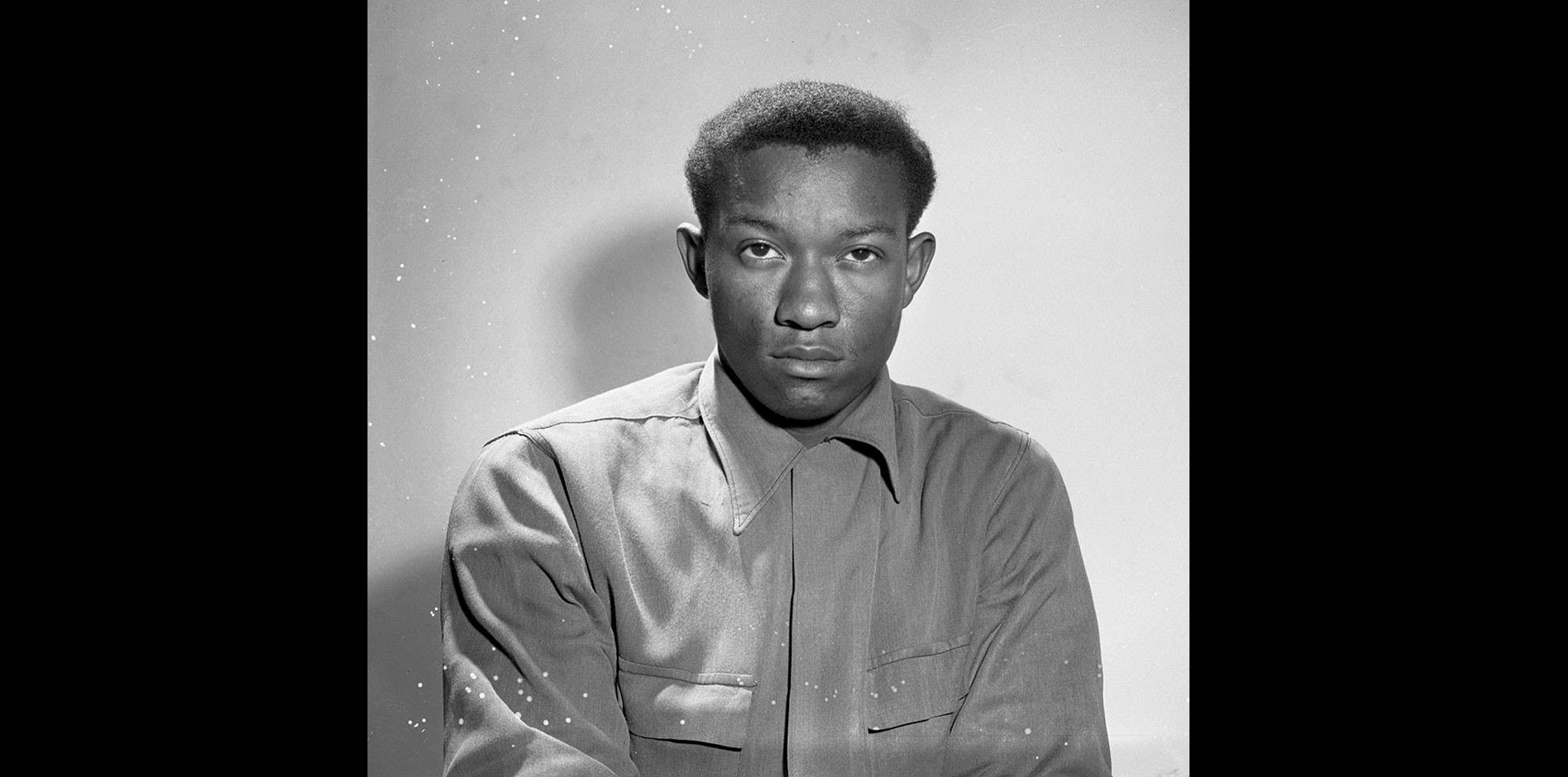
One potentially similar case is that of Tommy Lee Walker, who was officially exonerated on January 21, 2026, nearly seventy years after he had been wrongfully convicted and sentenced to death for the sexual assault and murder of Venice Parker. Walker was just 19 years old when he was arrested in 1953 and was reportedly convicted by an all-white jury before being sent to the electric chair in 1956. Decades later, the Dallas County Commissioners Court formally acknowledged the inconsistencies in the original judgment and ruled that Walker’s wrongful conviction had been shaped by a coerced confession, racial bias, and misconduct.
While it is unlikely that Walker’s story directly inspired ‘The Millwood Murders: Buried Truth,’ there are still some vague overlaps between the two. Specifically, the movie emphasizes the role of Brooke Griffiths, the daughter of the wrongfully convicted man, and how her campaign is what brings the truth to light. Reportedly, Walker’s family, and especially his son, Edward Smith, fought a legal battle for decades in order to protect Walker’s legacy, while also enduring generational trauma. Although these details are not referenced by the movie, they shine a light on similar thematic strands.
The Millwood Murders: Buried Truth Introduces an Invented Serial Killer Mystery
Another major element in ‘The Millwood Murders: Buried Truth’ is the presence of the Millwood murderer, who is responsible for the death of at least two teenage girls. Much like the movie’s premise, however, the Millwood murderer is fictional in nature and has no connections to any real-life serial killer. The fact that he initially escapes justice due to another person’s wrongful conviction does partially resemble some real-life cases, but any intentional overlap in details is most likely coincidental.
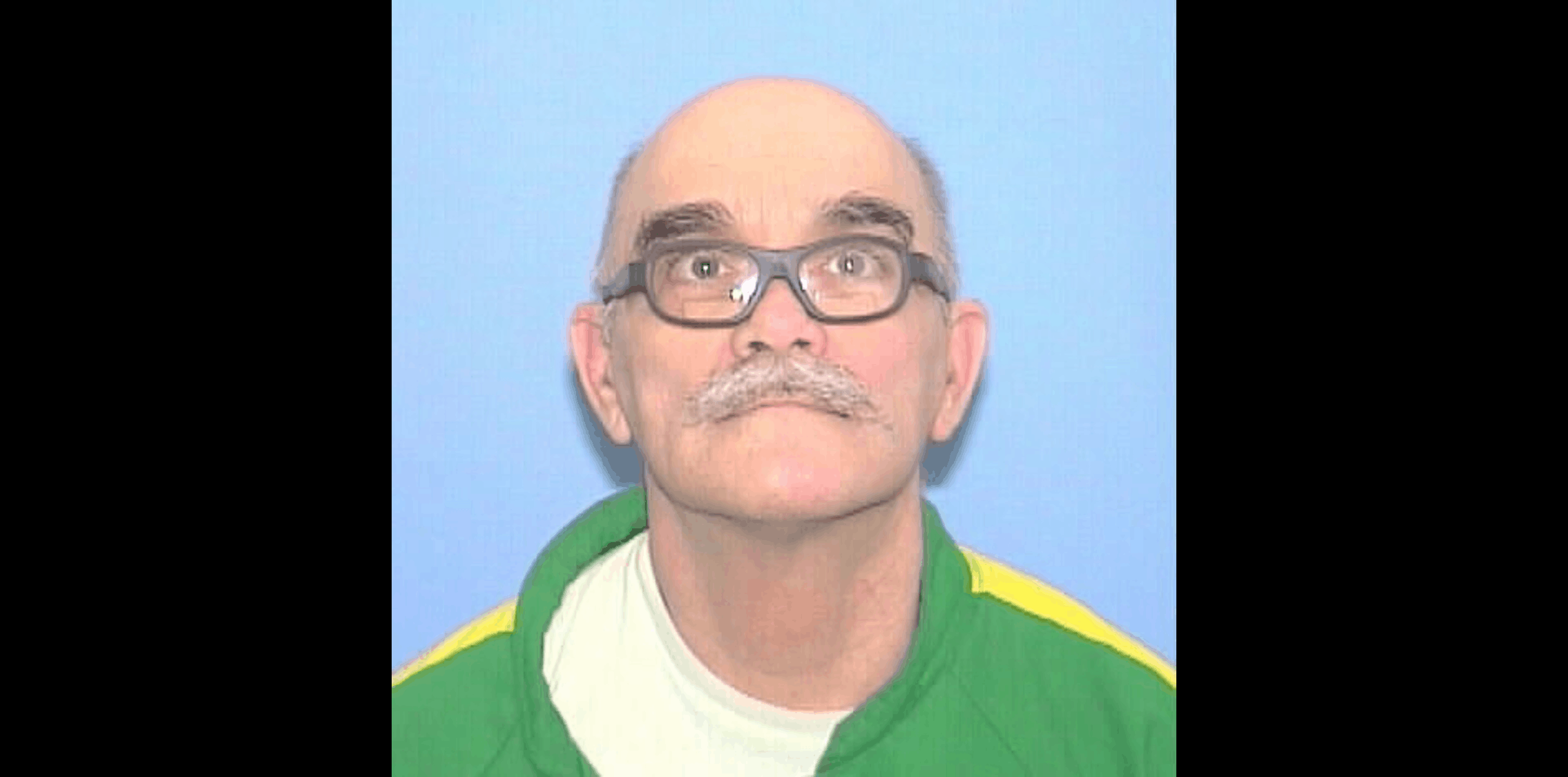
On September 7, 1981, 72-year-old Ida White was found with multiple stab wounds in Mt. Vernon, Illinois, and died of her injuries shortly after. Grover Thompson, who was at that time sleeping inside the post office directly across the street from where Ida lived, was arrested as a suspect. He was then wrongfully convicted of murder in the same year and died in prison 15 years later, in 1996. It was 11 years later, in 2007, when a serial killer named Timothy Krajcir confessed to the murder of Ida White, prompting an inquiry into the original investigations. On January 14, 2019, Thompson was declared innocent, 23 years after his death in prison, marking the first posthumous exoneration in Illinois. Although there are no direct connections between the case of Grove Thompson and the events as depicted in ‘The Millwood Murders: Buried Truth,’ it does speak to the awareness that the movie intends to generate.
Read More: The Millwood Murders Buried Truth: Filming Locations and Cast Details

