
 Saagar Kote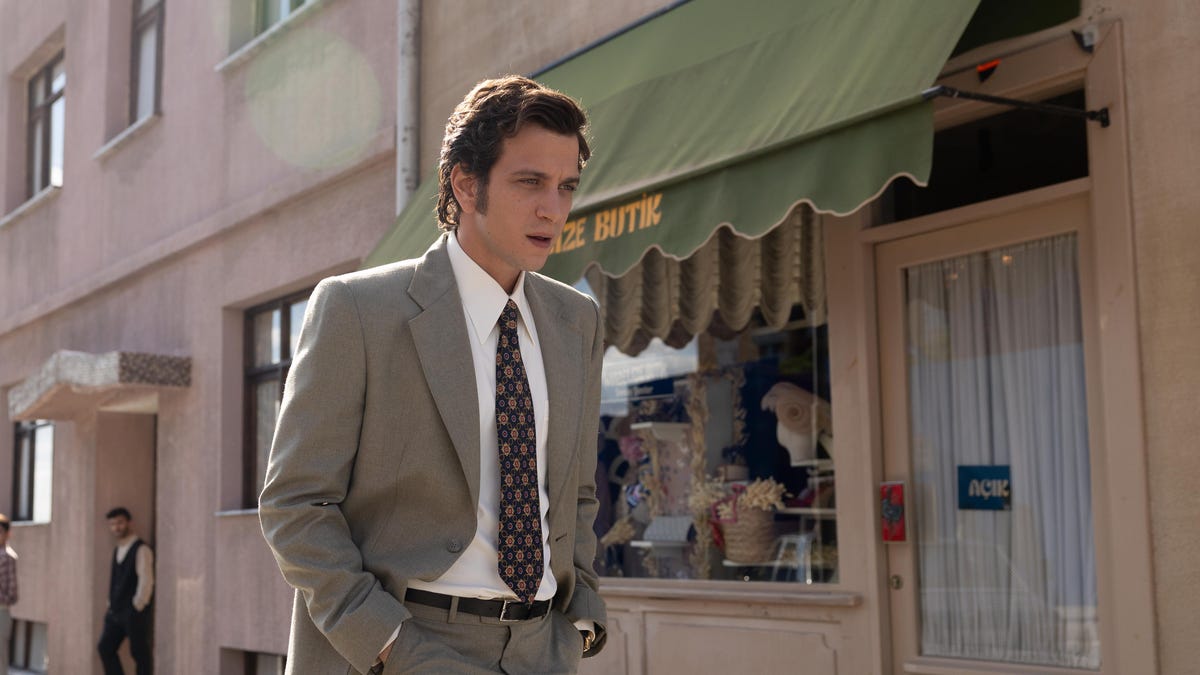
Netflix’s ‘The Museum of Innocence’ or ‘Masumiyet Müzesi’ tells the story of Kemal, the son of a wealthy businessman in 1970s Turkey. Engaged to a prominent socialite named Sibel, Kemal’s seemingly perfect life is upended when he meets his distant relative, Füsun, at a boutique. He quickly becomes intensely obsessed with the young girl and starts a tumultuous affair. As the affair leads to more intense feelings, Kemal and Füsun struggle to see past their own insecurities. Kemal goes to the extent of collecting Füsun’s personal items like hair, cigarettes, and clips.
The series tracks Kemal’s descent into this dangerous obsession and his quest to understand the true nature of his love, all while facing warnings from his family about making regretful choices. As his destiny becomes uncertain, Kemal must confront the serious potential consequences of his consuming love for Füsun. Towards the end of the story, the two lovers face a difficult decision, which could be the difference between tragedy and happiness in their complex lives. SPOILERS AHEAD.
The Museum of Innocence Plot Synopsis
An old man named Kemal Basmaci talks to Orhan, an author, about the past. He’s been collecting items and reminisces about his life over the last three decades. He wishes for Orhan to write a novel about his items and the museum he is building to house them. Thirty years ago, a 30-year-old Kemal is about to be engaged to a socialite named Sibel. He is the son of a wealthy textile businessman named Mumtaz Basmaci and his wife, Vecihe. His brother, Osman, is married to Berrin. After dinner with Sibel, he goes to a boutique to buy a purse she liked. There, he meets the employee named Füsun, his distant 18-year-old relative, who is studying for university. She is the daughter of Nesibe, his aunt. He is instantly attracted to her and buys the bag. Füsun agrees to give him a refund when the bag turns out to be a fake product. She becomes emotional due to her lack of skills, and the two hug.
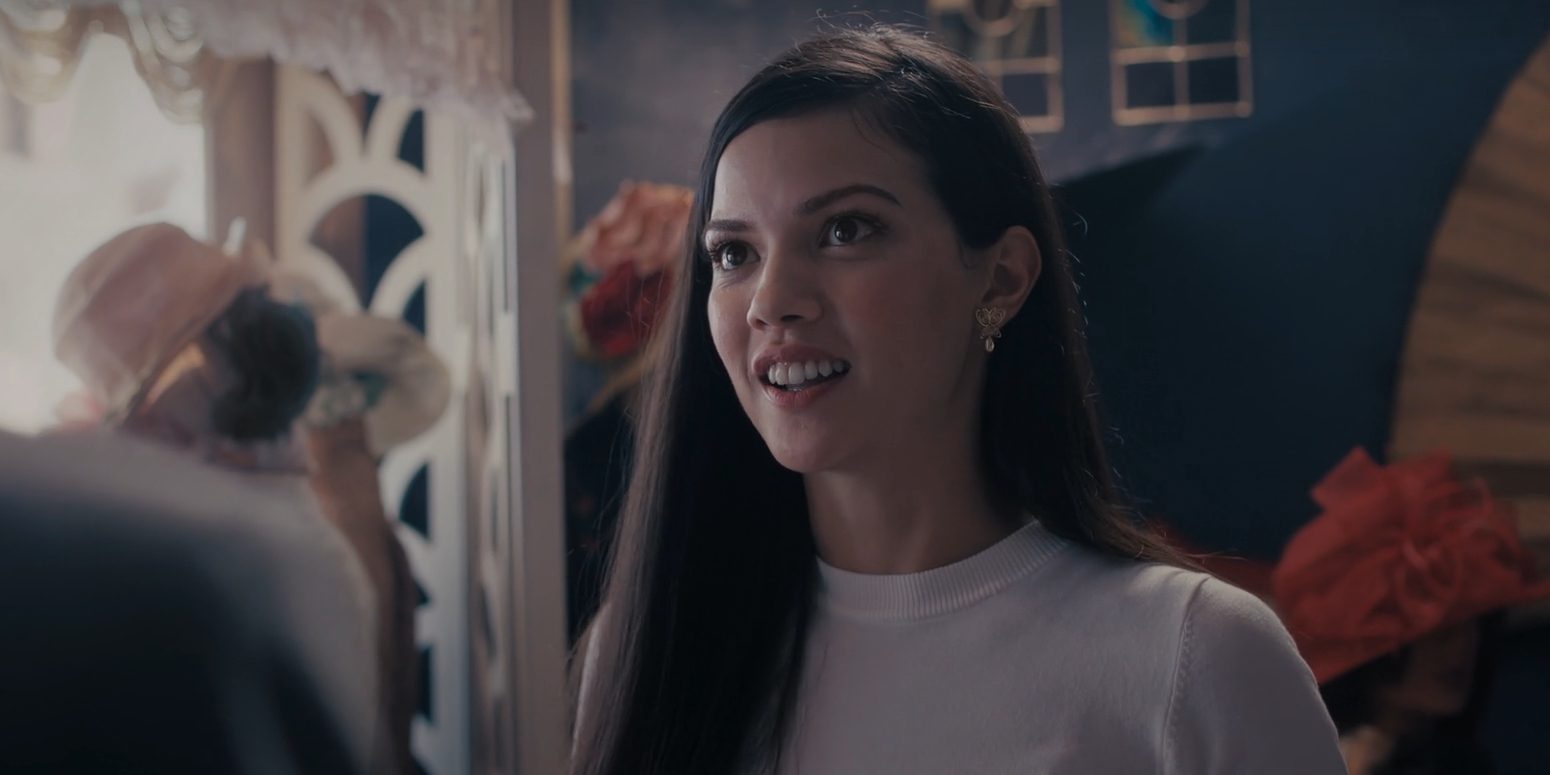
Kemal asks her to give the cash refund by visiting his apartment at the Merhamet Apartment Complex. After days of waiting, Füsun finally shows up at the apartment, and he kisses her. Though she doesn’t return his feelings, she senses a connection too. Füsun comes back to the apartment for the umbrella that Kemal hid, and they have sex. In a voice-over, the older Kemal reveals that his museum has 4213 cigarettes smoked by Füsun. Füsun visits Kemal more frequently, and deeper feelings arise between the two. Kemal also helps her study for her university entrance tests. Füsun asks if Kemal and Sibel have ever been intimate, and he lies that they haven’t. Despite knowing about Kemal’s upcoming engagement, Füsun makes him promise not to lie anymore. Kemal and Sibel go to a party. A few days later, Füsun tells Kemal that she is in love with him and they have sex.
Füsun gets the invitation to Kemal and Sibel’s engagement, which makes her angry and sad. Kemal and Sibel get engaged, and then he sees that Füsun is in the crowd, watching him get engaged and crying. At the engagement party, Kemal gets jealous seeing Füsun dancing with someone else. He switches dancing partners and ends up dancing with Füsun. Kemal keeps going to the apartment for days, but Füsun doesn’t come. Kemal learns that Füsun quit the boutique and starts obsessing over the things she touched. Kemal visits Füsun’s house and meets her mother, who tells him that the girl’s father took her away to a distant place and that he should forget her. Kemal talks to Sibel and confesses that he has been cheating on her with Füsun. Sibel tells Kemal to forget Füsun and start a new life with her. They shift to Sibel’s empty mansion so that Kemal can get over his love for Füsun.
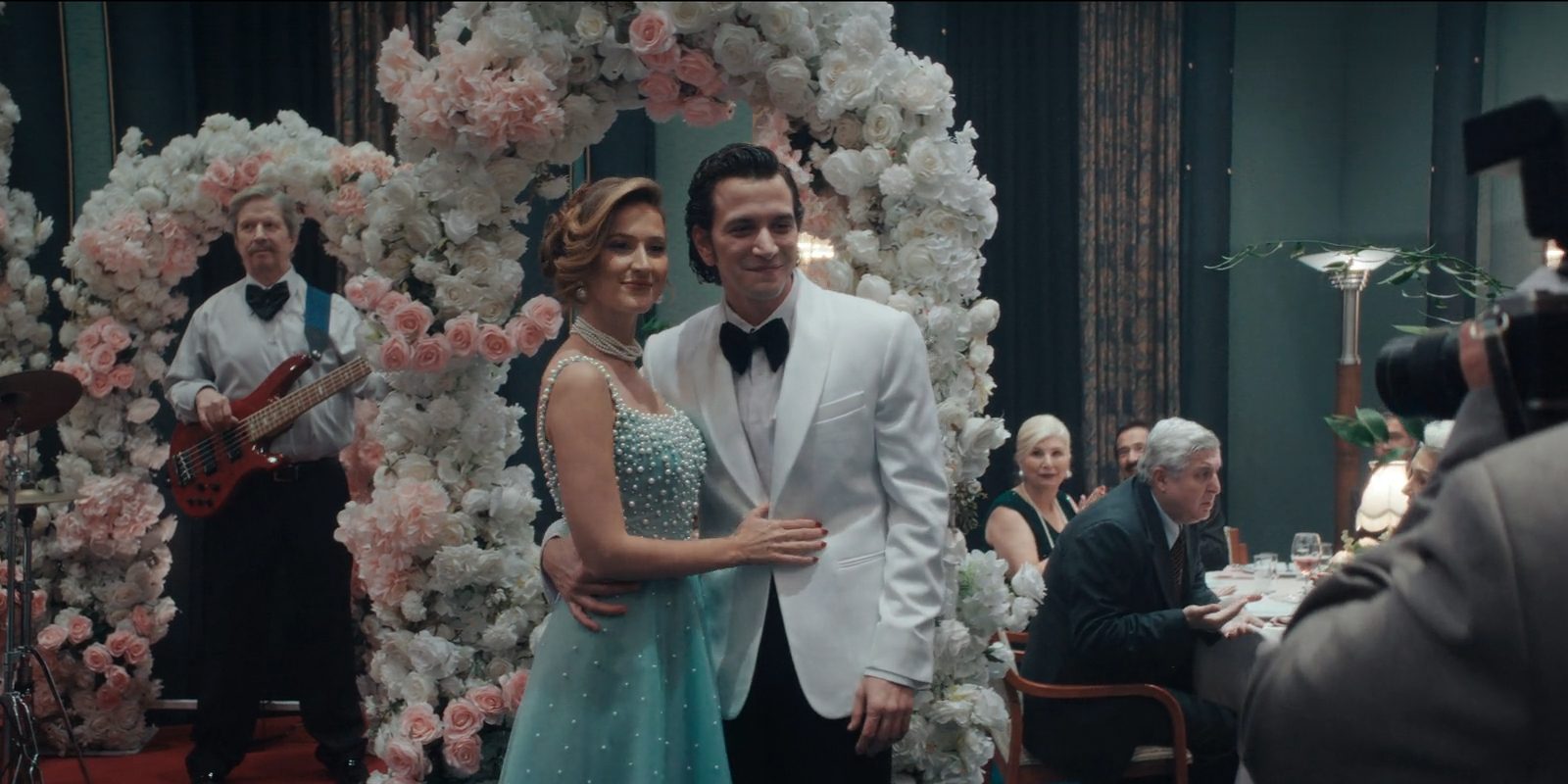
He is happy for a while with Sibel, but fails to have sex with Sibel due to his longing for Füsun. Sibel leaves him forever and returns the engagement ring. Kemal’s father passes away, and he looks for Füsun at the funeral, but doesn’t see her. After days of waiting, he gets a letter from Füsun, inviting him to dinner. He sees Füsun and is happy, but is shocked to see that she is married to a man named Feridun, a screenwriter. Kemal awkwardly says congratulations to the couple, and Füsun secretly asks him for forgiveness. Füsun wishes to be a movie, and Feridun talks to Kemal about the possibility of the latter funding his movies. For the next eight years, Kemal keeps visiting Füsun’s house, just happy to see her. He partners with Feridun and starts a movie company called Limon Films. Directors from the industry offer acting opportunities to Füsu, but Kemal doesn’t want her to be famous, as she would go away from him.
Feridun directs a movie bout a wealthy man taking his distant relative’s virginity and abandoning her. An actress named Papatya plays the main role, and Kemal realizes that Feridun has an affair with Papatya. One night, Feridun comes home drunk, and Füsun refuses to go to bed with him. Kemal tells Füsun that they should get a place of their own and be happy together. Kemal comforts Füsun when her father dies. Nesibe comes to Kemal’s office and tells him that Füsun and Feridun are getting divorced soon. She hopes that Kemal and Füsun can be together. Kemal and his mother go to Füsun’s house for marriage talks. Kemal and Füsun plan to get married after their trip to Europe.
The Museum of Innocence Ending: How Does Kemal Die? What Does He Reveal to Orhan?
After the car crash and Füsun’s death, the medical team escorts Kemal to the hospital and saves him. He slips into a coma as he had instinctively thrown his arm out of the crashing car’s window. After months of rehabilitation, he goes to the Merhamet apartment and sees all the objects there, including the dog figurine. He then visits Nesibe, and she hugs him emotionally. He enters Füsun’s room to see the paintings, and Nesibe says he can visit anytime he wants. Kemal sees the tricycle, the paintings, strands of her hair, and her clothes. He recalls that the butterfly earrings were lost, but Füsun found them. Kemal takes the earrings and drives back to Hotel Semiramis to relive the incident. He sees the bench where they had an argument and recalls the events that led to the car crash.
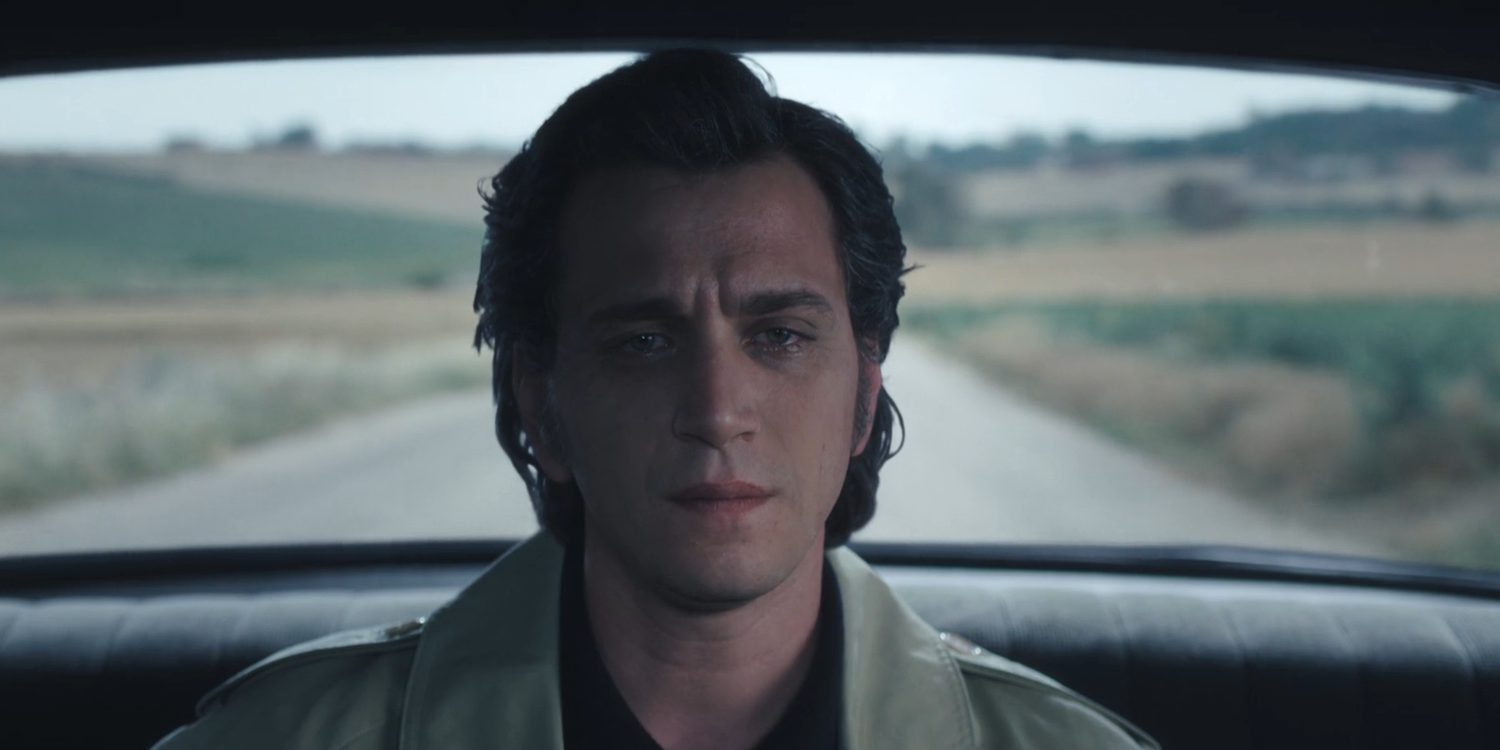
He feels regret and melancholy as he relives the tragic memory. This sadness shapes his life intricately as he moves forward. Kemal grows addicted to alcohol to cope with Füsun’s death. He realizes that he is only trying to escape the rest of his life. He bids goodbye to Turkey and goes to Europe, where he visits small museums and realizes their value. He sees Füsun’s memory in a different light in the strange lands and tries to come to terms with the nature of his obsession. Museums give him a sense of comfort amidst all the chaos that he feels in his soul. He takes inspiration from the Edith Piaf Museum, the Gustave Moreau Museum, and the Maurice Ravel Museum. He accepts the fact that his Füsun’s objects, like the objects in the museums, could tell his story. He realizes the value of the objects as he comes up with an idea.
He acquires the remaining parts of the crashed car as a reminder of his journey. He says that he will gather every object and stay with them in one building for the rest of his life. Kemal offers to buy Nesibe’s house and everything that comes with it. He tells her that he wants Füsun’s memory to live on forever. She refuses to sell him the house and says it means something to her, too. Kemal says that the apartment will become a sanctuary for them to remember Füsun. She agrees with his plan and hugs him emotionally. As Kemal walks to see the cigarettes and other objects, time passes. He is now seen as an old man, still remembering Füsun. He finishes narrating the story to Orhan, the author who has been listening to Kemal’s story from the beginning of the narrative.
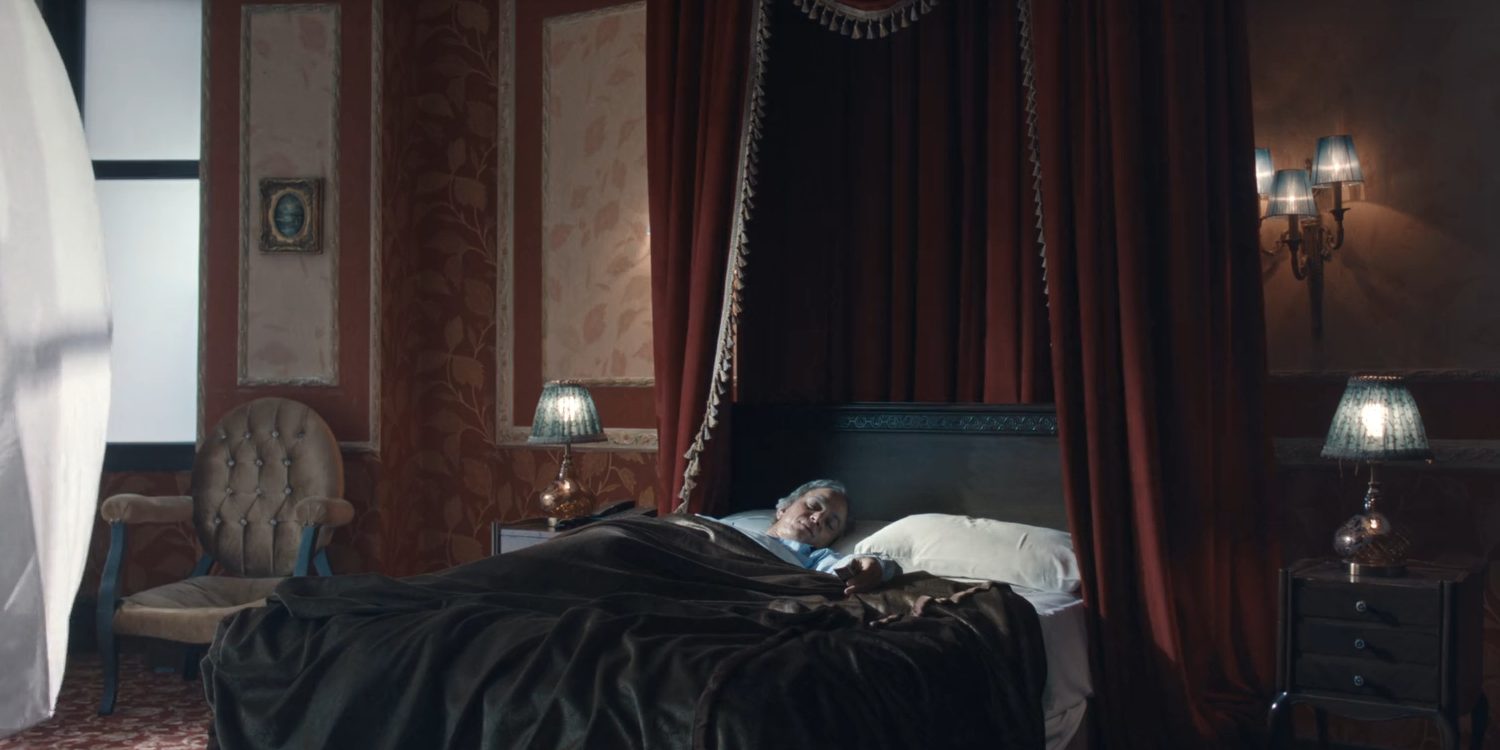
Orhan agrees to write the book. Kemal says he would like to read Orhan’s words after his return from the Milan visit, where he intends to go to the Bagatti Valsecchi Museum. A few days later, Orhan gets a call and stares at Kemal’s photo. Orhan narrates that Kemal had a heart attack and died on April 12, 2007, which is Füsun’s 50th birthday. It is revealed that Kemal died at the age of 62 at the Grand Hotel in Milan. Kemal’s final moments are spent holding Füsun’s photo, and he dies peacefully.
According to his conversations with Orhan, Kemal lived a happy life. Orhan’s perspective is crucial to understanding the depth of Kemal’s feelings. Even after the crash and thirty years of longing and melancholy, Kemal tells Orhan that he has somehow found happiness in life. Ultimately, he is just happy to have the privilege of remembering Füsun and feeling her presence deep within his soul.
Does Orhan Write the Book? Does The Museum of Innocence Become a Reality?
Orhan meets Kemal at a vulnerable point in the latter’s life. To immortalize his love story with Füsun, Kemal approaches the author. Kemal finds it difficult to express his emotions as he doesn’t have the talent to convert his thoughts into words. Orhan finds himself in a tricky position as he listens to Kemal’s story. He pays attention to every detail in the tale and develops a connection with it. Towards the end of the narrative, Kemal tells Orhan that people will look at the objects and try to comprehend how he felt when he was with the love of his life. He also narrates to the author that love is deep consideration and tenderness. Kemal expresses to Orhan that he has told him everything about his life with sincerity and hopes he can write his story. Kemal begs him to write it, as this is the only way he can find some solace.

Orhan agrees to write the book at this point. Though the narrative doesn’t confirm whether the author actually goes on to write the book, it can be strongly presumed that he will indeed remember everything and give justice to Kemal’s story. Orhan sees himself in Kemal’s experiences and feels a deep connection with him. He will most likely write the book to give Kemal the ending he deserves. After Kemal’s death, Orhan refers to him as the founder of the “Museum of Innocence.”
The museum houses every object that belonged to Füsun and the memories they hold for Kemal. Thus, he is able to fulfill his dreams after his death. Orhan will presumably lead the efforts to make the museum more popular and ensure that more people learn about Kemal’s journey. Ultimately, the museum represents more than just a collection of random memories, and it deeply reflects the nature of Kemal’s soul.
How Does Füsun Die? Did She Intend to Harm Kemal?
As Kemal, Füsun, Nesibe, and Cetin drive to Europe, they stop at Hotel Semiramis for the night. Kemal and Füsun get engaged informally and also share a dance after dinner. They later get intimate after many years of longing as it starts raining. Despite initial hesitation, Füsun gives in to her desires. This creates a complex equation between the two as they spend the night in bed. Kemal wakes up in the morning and sees Füsun sitting outside by a tree. Füsun says she wanted to be a movie star, but Kemal didn’t let her be one in the past. She doesn’t trust him anymore and asks him about all the objects he took from her house. She tells him that he tricked her into having sex and will probably not marry her, because all he wanted was sex. Kemal replies sarcastically, and she bites his lips, saying she would murder him if she could.
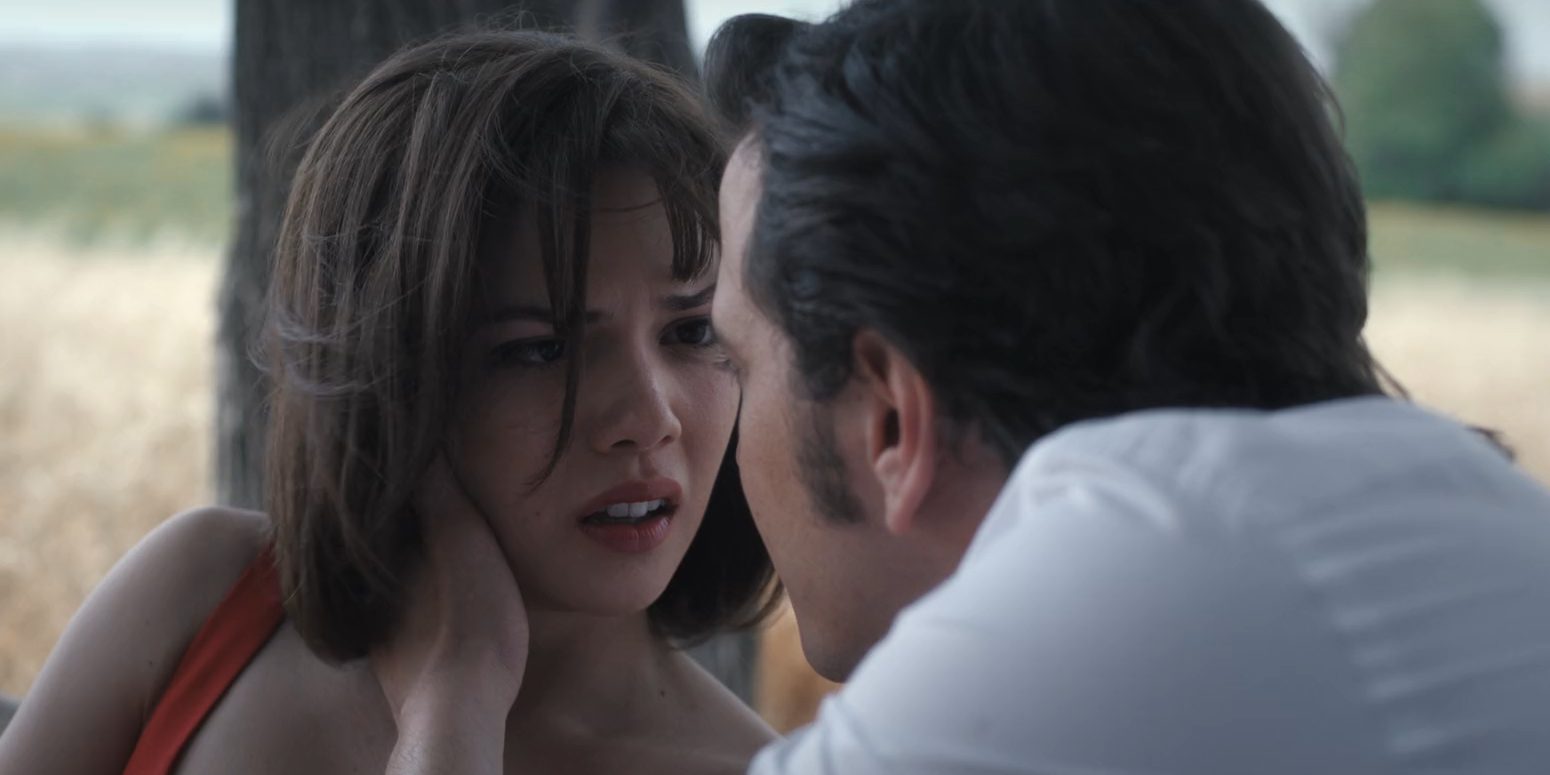
She walks away and onto the highway, and Kemal drives after her, hoping to stop her before she goes away from him again. He stops the car, and she refuses to get inside, saying he doesn’t know what she went through. She blames him for her failures and opines that he kept her in a cage. Kemal believes that she was afraid to go anywhere without a powerful man by her side. This makes Füsun extremely angry, and she asks if she can drive. Kemal agrees, and she kisses him before taking the driver’s seat. She reverses the car, but it stops. She sees the sunflower field in front of her, and he touches her cheeks as she shows her butterfly earring. He doesn’t even notice the earring, and Füsun gets sadder and angrier. She drives extremely fast, and Kemal asks her to slow down. She speeds up further as a dog stands in the middle of the road.
Füsun tries to avoid the animal by turning at a great speed and enters the sunflower field by the highway. The fast car crashes into a tree, killing her instantly. It is revealed that Füsun died because the steering column pierced her chest and her skull fractured. After his recovery, Nesibe tells Kemal that the earrings were taken by Füsun the night before she entered his hotel room. Nesibe says that her daughter wanted to surprise him by wearing it in Paris. This indicates that Füsun never wanted to harm Kemal, but was only expressing her own anger and frustration. Despite their deep love for each other, Kemal and Füsun’s story ends on a note of melancholy.
What Does Kemal See in Milan? What Does it Mean?
In Milan, Kemal walks the streets and finds Sibel and Zaim there. They have a daughter and appear to be happily married. He smiles from a distance and acknowledges his happiness for them. At this moment, Kemal realises that this could have been his life had he never crossed paths with Füsun. He deliberately chose the path of pain, longing, and sadness as he waited for many years to be with the love of his life. Despite his privileged background and influence in society, he ultimately couldn’t find a way to get married or have children.
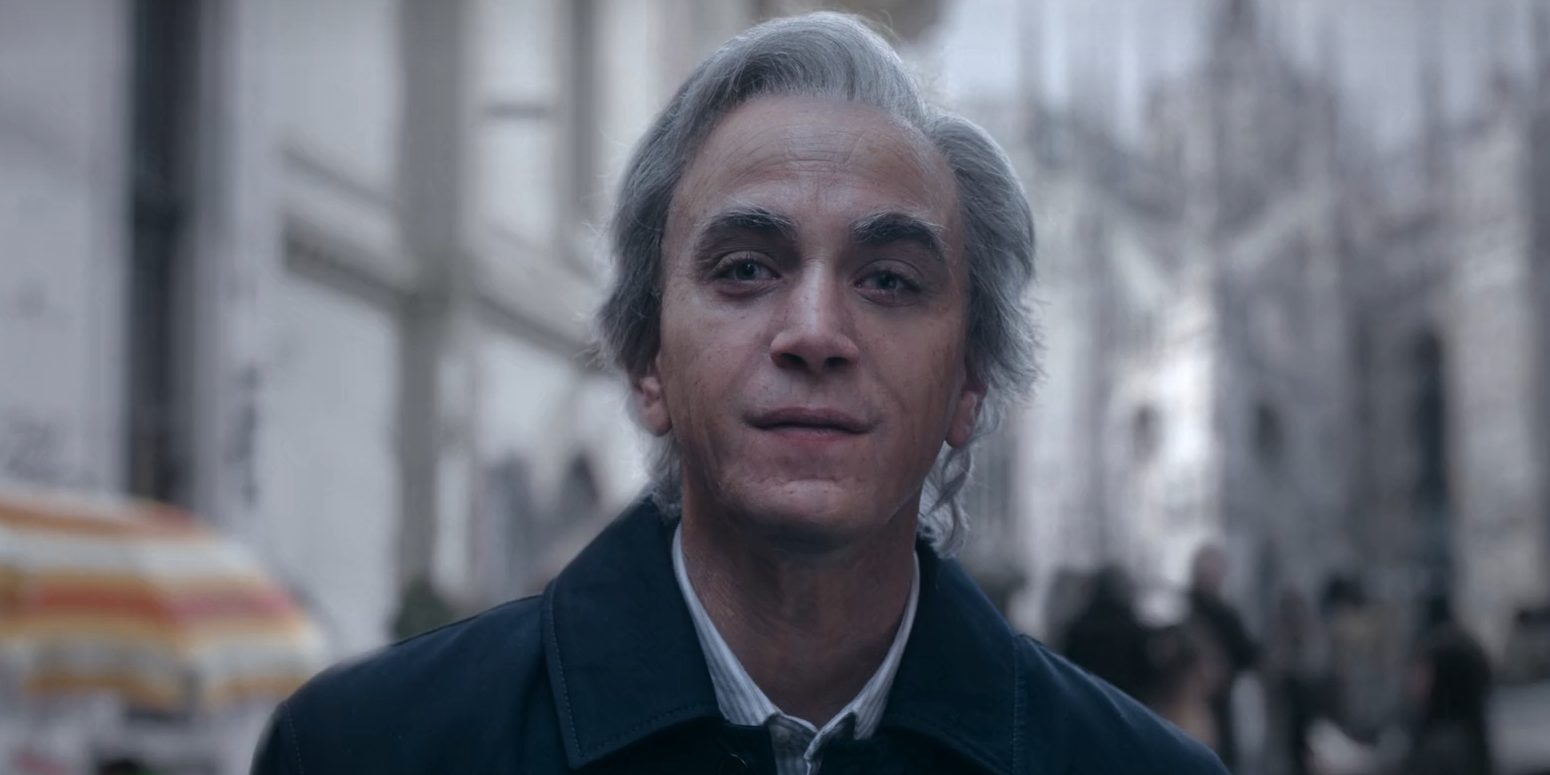
Sibel represents the happiness that he chose to sacrifice all those years ago when their engagement ended. He is still happy for his friends as they found the courage to give marriage a chance. Earlier in the narrative, his parents warned him about the consequences of his actions, but he didn’t really listen to them. As an old man, he lives without any regrets, but also feels the weight of their words. Thus, Kemal has a great realization in Milan, where he also meets his end.
What Does the Sunflower Field Signify?
Throughout her relationship with Kemal, Füsun. Has visions about a field of sunflowers. The sunflowers represent a deeper and symbolic truth in their story. Initially, the sunflower field represents a destination that probably awaits the two lovers when they get together in the future. Kemal starts to believe that this future could be real. His continued intimacy with Füsun makes him sure that happiness could be his one day. As the story progresses, the sunflowers represent Kemal’s relentless obsession with his lover. He refuses to see any other truth in life and sticks to his ego. The field reflects destiny, which turns out to be tragic.

Füsun feels a spiritual connection with the field and assumes that this could only mean something positive. However, towards the end of the narrative, the sunflower field becomes the indirect cause of her death. Kemal and Füsun struggled for years to make sense of the nature of their relationship, but the car crash signifies the cruel game that fate plays. All in all, the sunflower field is an extremely poignant and dark symbolic representation of Kemal’s long and haunting journey.
Read More: Is Netflix’s The Museum of Innocence Based on a True Story?

