
 Saagar Kote
Netflix’s ‘The Museum of Innocence’ or ‘Masumiyet Müzesi’ revolves around the experiences of Kemal in 1970s Istanbul. He comes from a wealthy family and is engaged to a wealthy socialite. His life looks perfect until he crosses paths with a beautiful girl named Füsun, who is his distant relative. He falls head over heels for the shop girl and becomes obsessed with her. Directed by Zeynep Gunay Tan, the Turkish romantic-drama series chronicles Kemal’s struggle to find out the true meaning of love. As Füsun captures his soul, he faces warnings from his family members, who tell him to be careful and not make regretful decisions.
His obsession with Füsun becomes increasingly dangerous, and he starts collecting things like her hair, cigarettes, and clips. With his destiny getting unpredictable, Kemal must come to terms with the nature of his love and the potential consequences of it. The narrative intricately deals with the ideas of love, family dynamics, fate, loyalty, and the cost of obsession. SPOILERS AHEAD.
The Museum of Innocence Captures the Thematic Essence of Orhan Pamuk’s Eponymous Novel
Written by Ertan Kurtulan, ‘The Museum of Innocence’ is based on the Turkish novel of the same name by Orhan Pamuk. The series, like the novel, is a fictional story set in 1970s Istanbul and follows two people in love. In the novel, a wealthy man named Kemal is engaged to Sibel, but begins an intense and secretive physical and emotional affair with shop girl Füsun, whom he meets while buying Sibel’s handbag. Kemal believes he can maintain both relationships after Füsun confesses her deep love for him. His delusion shatters when Füsun disappears after his engagement party, forcing him to confront his profound love for her. For a year, unable to find Füsun, he finds solace in objects and places tied to their affair.

Thus, the series reflects the themes, plot elements, and tone of the novel, making it a faithful adaptation of Pamuk’s work. It is interesting to note that Pamuk opened a real museum named after the novel in 2012. From the 1990s onwards, Pamuk conceived of the novel and the museum together. The museum exhibits the characters’ collected objects and the items they used, wore, heard, saw, and imagined in the novel, which are presented in meticulously organized boxes and showcases. In an interview with Departures, Pamuk confirmed that he was part of the Netflix adaptation of his novel. He added, “When their relationship doesn’t work out the way he wanted, Kemal consoles himself by collecting everything that reminds him of the time he shared with his lover.
At the end of the novel, he displays these objects and photographs in a museum. This collection is about love, but it also explores the daily life of Istanbul’s secular bourgeoisie between 1950 and 2000, and everything that makes the city so intense and unique.” The novel and the series are not just about love, but also about the dynamics of Istanbul’s culture in those decades of the 20th century. Thus, the show ‘The Museum of Innocence’ delivers a grounded and haunting story that captures the spirit of the novel and also the real museum it inspired.
The Museum of Innocence Vividly Delves into the Complexities of Love and Obsession
‘The Museum of Innocence’ is a colorful and intense depiction of a romance that challenges Kemal and Füsun. It deals with love and obsession in all their complexities and engages the viewers with its layered characters. At its core, it delves into the consequences of obsessive love and the ways in which it can change a person’s life. Kemal’s reality turns upside down when he encounters Füsun, and he finds it difficult to let go of her. His mind is consumed by thoughts of their intimacy and conversations. Kemal’s experiences reflect the reality of doomed romances and the potential destruction that they can lead to. Speaking to Episode Magazine, Zeynep Gunay Tan, the director of the series, opined that the show is a faithful adaptation of the novel.
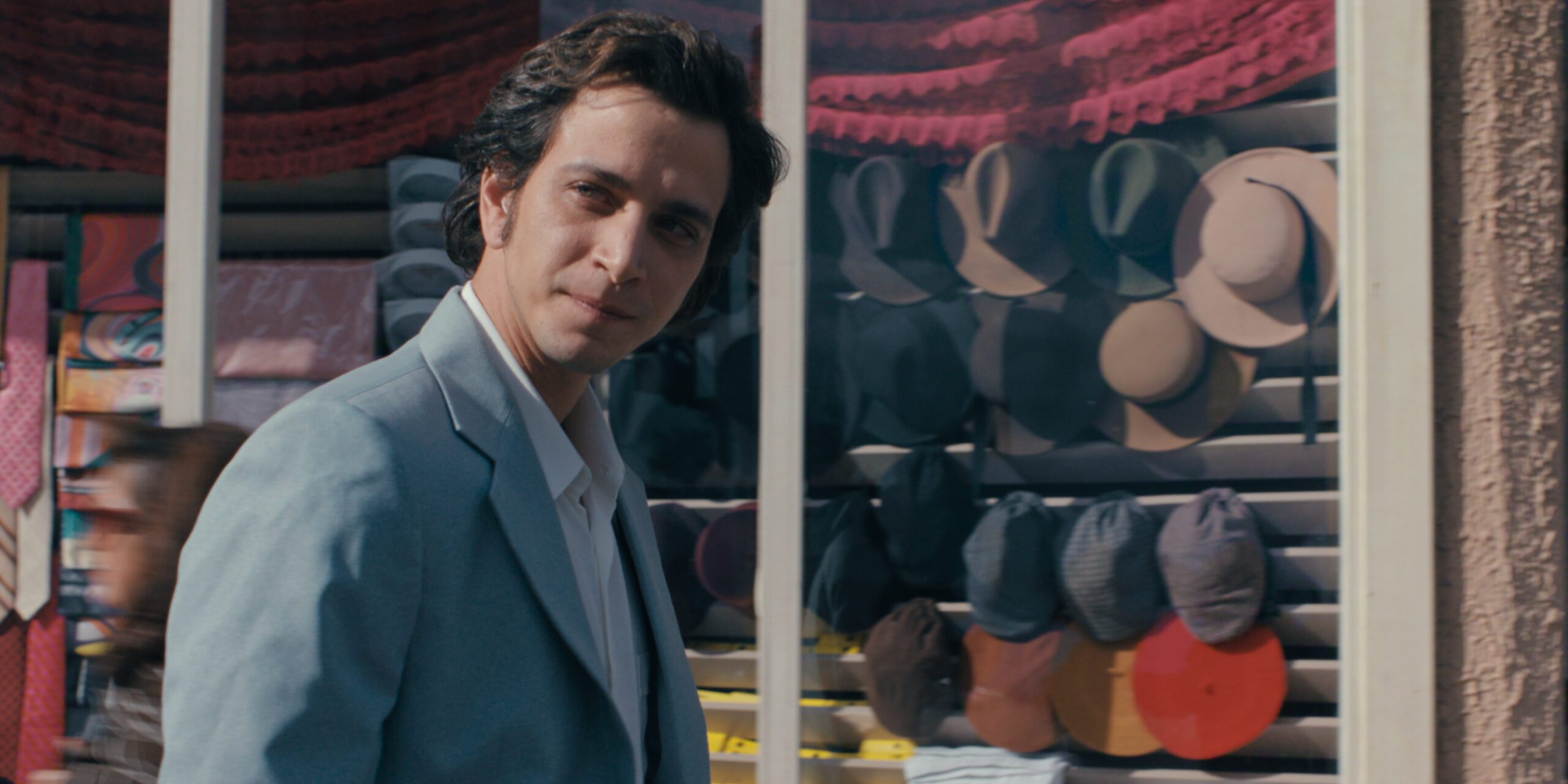
She stated, “It’s as if Kemal and Füsun were real, as if all the locations were real, and as if we wandered through the novel together. This is something I’ve never experienced before, and it’s truly a strange feeling. It feels like we dove into the novel and then came back out.” The show’s realism stems from its characters and the situations they are placed in. Zeynep also opined that she and her team didn’t want to look at the series as just a period piece and wanted to make Kemal and Füsun’s story feel timeless. The director added that readers interpret the novel’s characters and love themes differently.
Talking about the layers of Kemal’s character, she divulged, “With his love for Füsun, his darker sides emerge, and that darkness leads him into an addiction he can’t resist. That’s how I see Kemal.” The character’s obsession plays a pivotal role in the story, changing the very nature of his reality. When he collects Füsun’s objects, he is not only trying to fill a void, but also hoping to never forget her. The show likely serves as a nuanced commentary on the extremes people go to to prove to themselves that their love is real. All in all, ‘The Museum of Innocence’ is a deep and haunting depiction of unpredictable characters, the fragility of the human soul, and the nuances of obsessive love.

