
 Aahana Swrup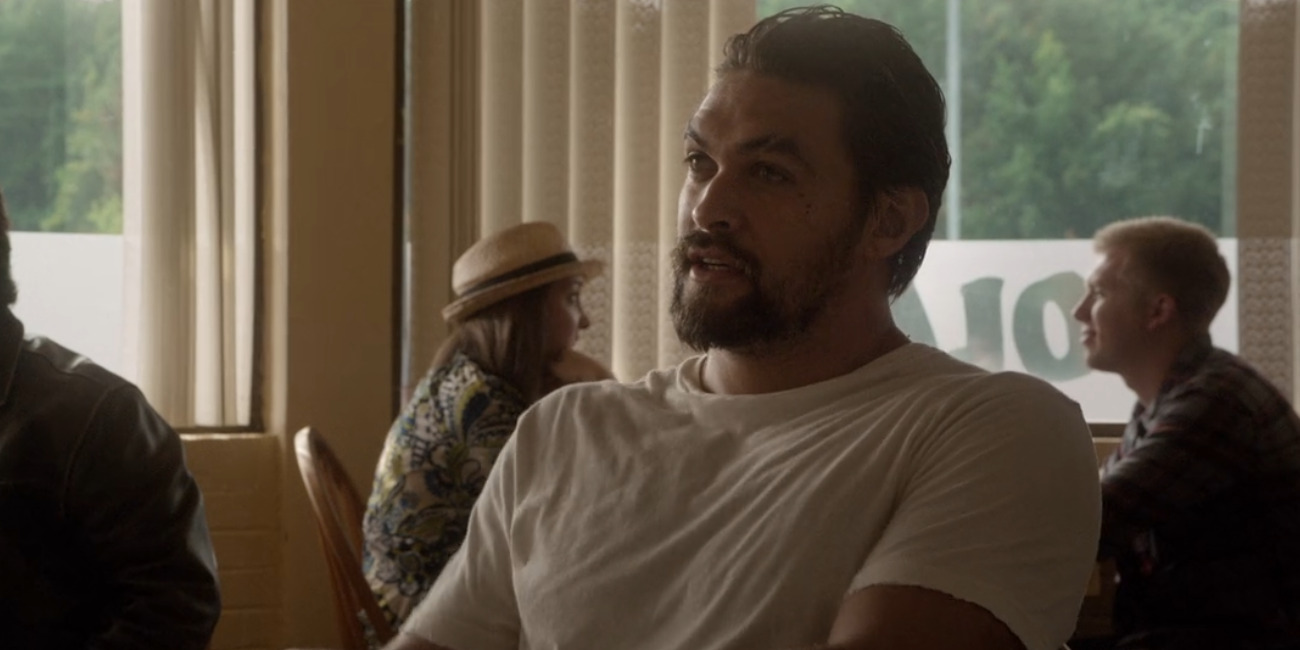
Created by Aaron Guzikowski, ‘The Red Road’ is a crime thriller series that centers on the dynamics of a cop and an ex-con who are caught between a rock and a hard place. Harold Jensen is a policeman with dreams of making it as a detective. He finds himself in a pickle after his wife, Jean, gets entangled in a hit-and-run case involving an Indigenous Lenape kid, Paul. As a result, he has no choice but to accept help from Phillip Kopus, a former convict who is back in town for less than legal endeavors. However, their tenuous partnership that comes with suspicious strings attached is made all the more complicated due to the past Jean shares with the criminal. The story hinges upon the tense dynamic between Harold and Kopus as well as the ever-taut relationship between the town’s Indigenous community and the local law enforcement department. Therefore, the crime-driven foundation of the story and its possible origins are bound to attract the audience’s intrigue.
The Red Road is a Fictional Story That Dives Into Real Friction Between Indigenous Communities and Law Enforcement
Penned by creator Aaron Guzikowski and his team of screenwriters Zack Whedon, Patricia Breen, and Bridget Carpenter, ‘The Red Road’ is a work of fiction without any direct ties to real life. The criminal storylines explored and the characters at the helm of the narrative are all fictitious elements created in service of the show. Even so, the themes and concepts present in the story remain reminiscent of reality. One of the foundational elements of the tale centers on the Lenape community, Kopus’ ties to it, and its socio-political relationship with the overarching community of the New Jersey small town. These aspects retain intrinsic roots in the realities of Indigenous communities.
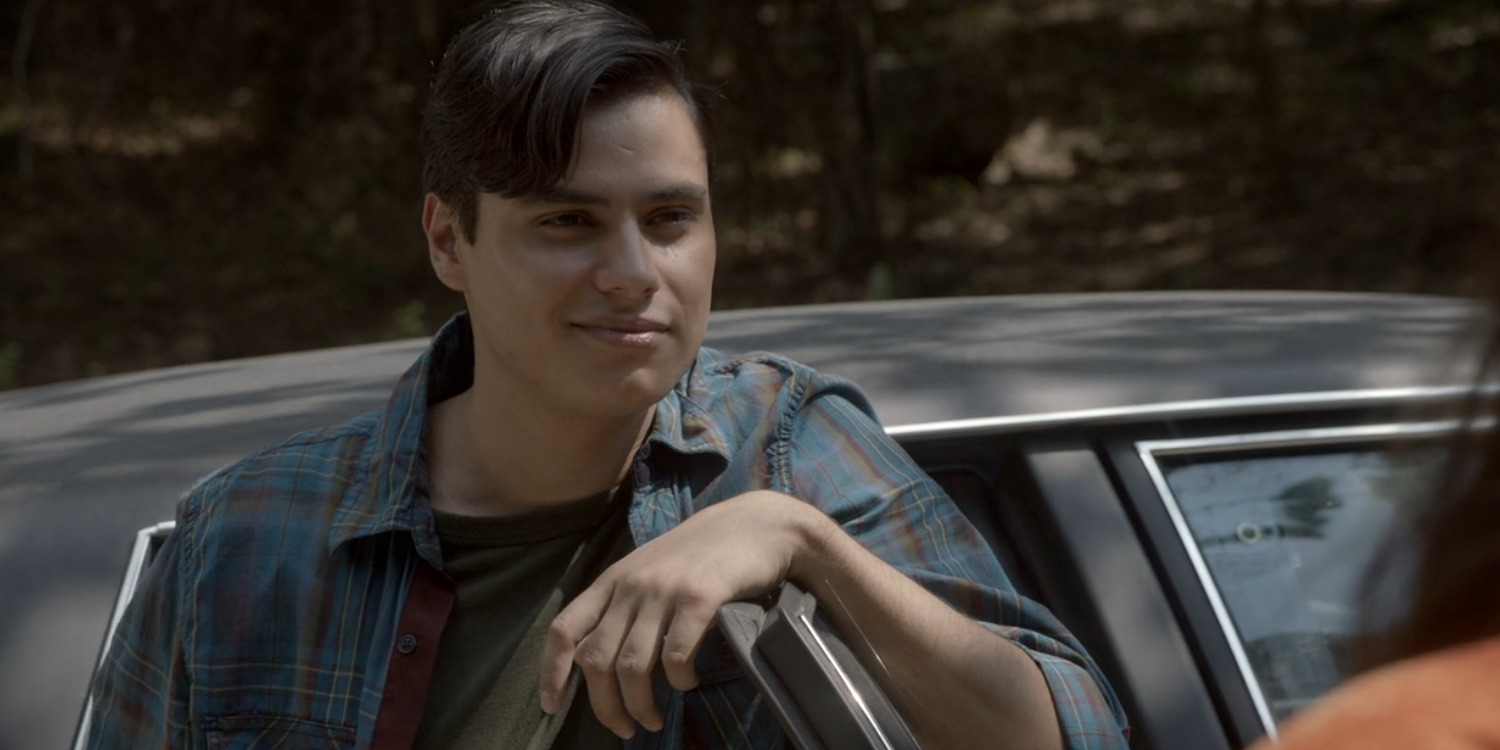
Statistically, in the United States, Native Americans are among the most common victims of police violence per capita. Furthermore, reports from some largely Native American residential housing areas, such as Little Earth in Minneapolis, Minnesota, suggest that the local residents often refrain from contacting the police. The reason behind this apprehension around law enforcement involvement reportedly stems from extended wait times as well as a fear of escalation. In exploring the lives of characters like Marie and Junior, the series delves into such nuances, showcasing the implications and influence of these realities. The parallel storylines of the diligent investigation into the white NYU student, Dennis Bradley, and the lousy cover-up of Paul Morgan’s hit-and-run case.
Additionally, the on-screen depiction of the Lenape community’s status as a federally non-recognized native tribe further plays a part in the show’s aim of realistic Indigenous storytelling. In the show, Kopus’ community of Native Lenape people in New Jersey is fighting for their right to be recognized as a federal native tribe. Without this recognition comes an onslaught of problems, including their inability to practice their sovereignty as a tribe and have access to important resources. As per a Government Accountability Office report from 2012, there are around 400 unrecognized tribes in the country that experience similar socio-political complications. Thus, even though the show’s premise is detached from any real-life instances, it manages to delve into a realistic and authentic world.
The Red Road Explores Moral Ambiguity Through Complex Characters
One of the most compelling aspects of ‘The Red Road’ stems from its portrayal of nuanced characters, particularly the central duo: Harold and Jensen Phillip Kopus. The cop’s storyline focuses on his complicated familial dynamics and the influence they have on his job as a law enforcement officer. As a result, the narrative gets to dive deeper into the individualistic circumstances around police violence and abuse of power from the character’s perspective. On the other hand, Kopus’ narrative primarily revolves around the realities of how surroundings and circumstances outside of one’s control can impact one’s life. The character is born to an indifferent and abusive father who more or less sets him up for a life of crime. Moreover, societal discrimination toward his native roots adds to his damned fate.

Inevitably, this begins to dictate Kopus’ life and brings him to the place he is in at the start of the show. In a 2014 conversation with Collider, actor Jason Momoa expanded upon the same and said, “That’s the thing that attracted me to Kopus. It’s like those bad influences, growing up, who you are attracted to. They have a charm, but they’re also dangerous, and you don’t know how dangerous they are. Kopus brings Junior under his wing, and it’s safe, but it’s also extremely dangerous. You want to be enticing and bring people in, but at the same time, you’re a savage. He’s a bad man. But then, you find out another layer and realize he just wants community and love.” Ultimately, these nuanced portrayals of complex characters contribute to the authenticity of the themes explored in the fictitious series.
Read More: Where Was The Red Road Filmed? All Shooting Locations

