
 Aahana Swrup
‘The Red Road’ takes the viewers on a thrilling adventure through a small town on the East Coast, where a cop and an ex-convict’s lives become inextricably entangled following a quid pro quo deal. Local cop Harold Jensen finds his back against the wall when his wife, Jean, becomes involved in a hit-and-run case that could unravel her family’s future. Phillip Kopus, a familiar face from the couple’s teenage years, has recently returned to his Lenape tribe community that neighbors the local town of Walpole in New Jersey. As it turns out, the latter has exactly the means needed to help Harold cover up his wife’s crime—for the right price. Nonetheless, if their roles as a cop and a robber don’t create enough friction, the duo’s shared past involving Turtle Lake and the death of Jean’s twin, Brian, certainly makes things difficult. In the series, the town of Walpole becomes a parallel reflection of the personal dynamic between the two protagonists, while simultaneously providing an ideal backdrop for the narrative to explore relevant socio-political themes.
Walpole is a Fictional Town With Realistic Geo-political Nuances
Given the fictional roots of ‘The Red Road,’ it’s no surprise that most of the storytelling elements in the show share similarly fictionalized origins. This is also true for the central small town of Walpole, which becomes the backdrop to most of the narrative threads explored in the series. There are real-life towns with similar names to the on-screen location, such as Walpole, Norfolk County, in Massachusetts, or the identically christened town of Walpole in Western Australia. Yet, neither of these places has any direct connection to the town showcased in ‘The Red Road.’ In fact, most of the filming for the fictional town of Walpole, New Jersey, took place across the Atlanta Metropolitan Area in Georgia. As such, Harold’s on-screen hometown remains devoid of any direct real-life counterparts.
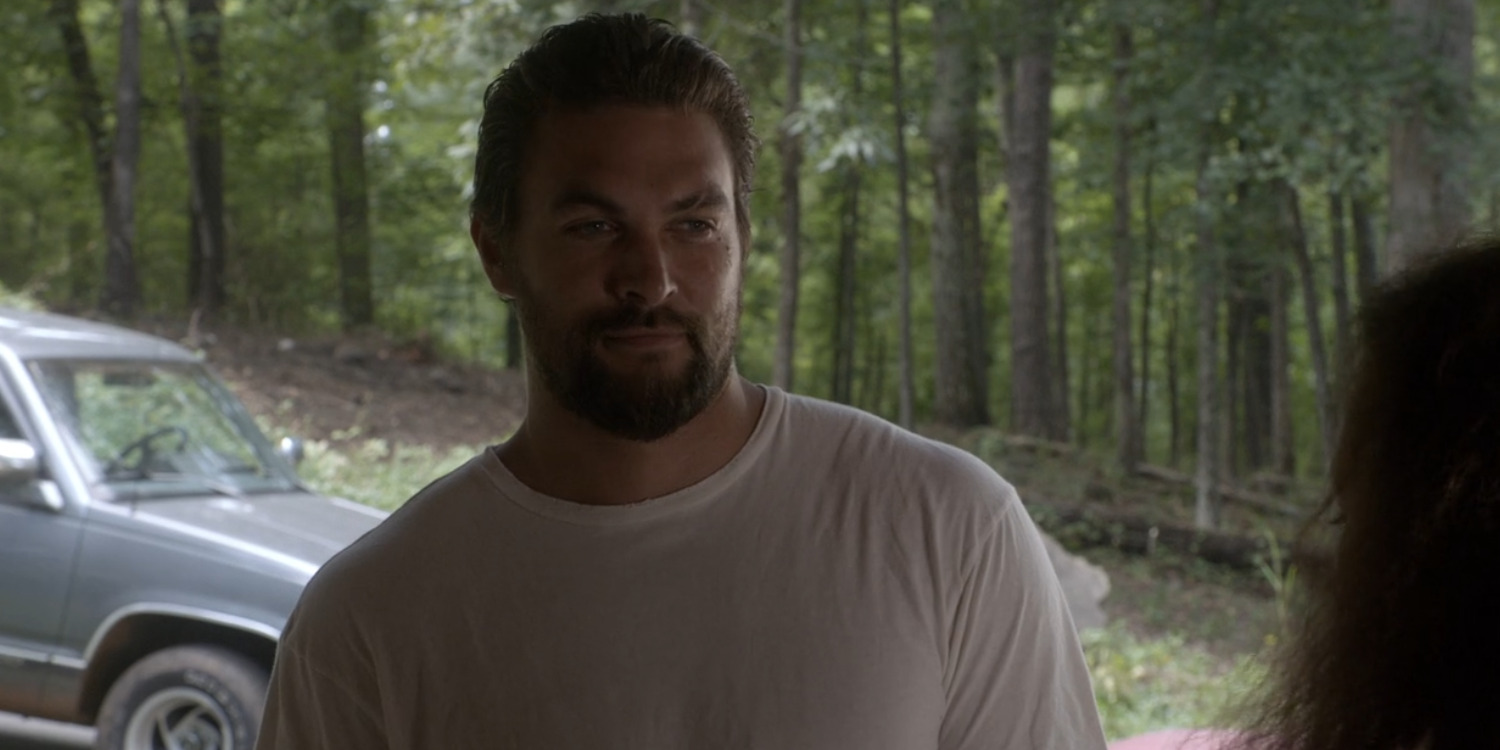
Nonetheless, despite its fictionality, the town of Walpole manages to showcase a specific aspect of real life. In the show, Harold’s hometown is a neighbor to a federally unrecognized Indigenous Lenape tribe. For the most part, the central storyline delves into the friction between these two communities and their socio-political differences. This driving conflict directly affects multiple storylines in the show, including the cover-up of the hit-and-run case involving Paul Morgan, a Lenape kid, as well as Kopus’ social exile in the aftermath of Brian’s death. Although these plotlines, much like the overarching show, are fictitious, the themes explored through them and their connection to Walpole remain socially authentic.
In real life, New Jersey is home to multiple Native American tribed. However, much like Kopus’ fictional tribe, these real-life state-recognized communities continue to fight for their right to be federally recognized as an Indigenous tribe. Real-life examples of this include New Jersey’s Nanticoke Lenni-Lenape Tribal Nation, Ramapough Lenape Nation, and Powhatan Renape Nation. As such, Walpole’s political landscape, which largely deals with its neighboring relations with the non-federally recognized community of the Lenape tribe, draws from the realities of New Jersey’s geopolitical standing. Nevertheless, outside of thematic storytelling, the town’s narrative finds little other footing in reality.
The Turtle Lake is Likely a Reference to a Real New Jersey Lake
The Turtle Lake, as depicted in ‘The Red Road,’ remains a largely fictitious element. Since there is no Walpole town in New Jersey and the narratives explored through the location are confined to the show’s fictional narrative, the lake is also rendered without an identical counterpart in reality. Nonetheless, there is a real-life Lake that possibly serves as an inspiration or an unintentional parallel to the in-universe Turtle Lake. In the Ringwood State Park of West Milford, New Jersey, there is a Green Turtle Lake, which evidently shares a name and a geographical setting with the on-screen location.

The real-life Green Turtle Lake is a 40-acre water body, famous for its idyllic vistas and celebrated as a popular ice fishing spot in winter. Furthermore, it also sports some historical significance through the numerous attractions present in the nearby Ringwood State Park. Yet, the real-life lake seems to share little in common with the on-screen narrative of Turtle Lake. In the show, the lake is largely a tool to drive forward the storyline surrounding Jean and the death of her twin brother, Brian. As far as one can tell, the real Green Turtle Lake has no such history attached to it. Additionally, given the fact that the show was filmed in Georgia, it’s unlikely that the real Green Turtle Lake shares many visual similarities to the on-screen location either. Ultimately, even though Turtle Lake has some roots in reality, the storyline attached to it remains fictionalized.
Read More: The Red Road Season 1 Ending Explained: Why Does Harold Save Kopus?

