
 Abhiroop Das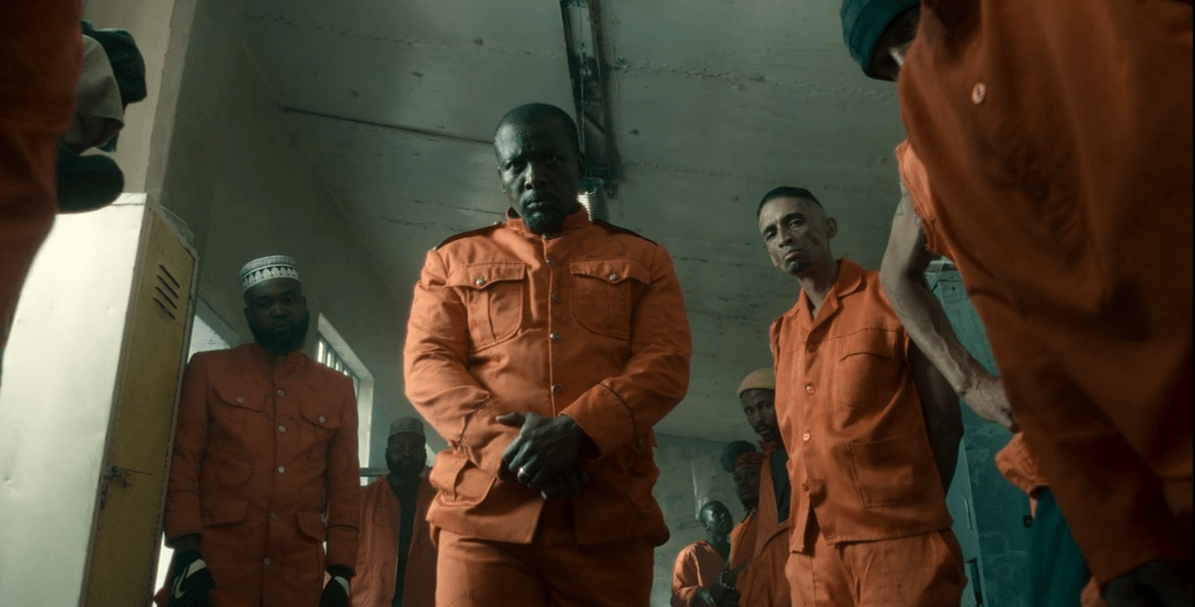
Helmed by Mandla N, Johnny Barbuzano, and Jonathan “Jono” Hall, Netflix’s ‘Umthetho’ begins with three siblings, Moses, Mbali, and Sphelele, being separated and launched into different life trajectories at a young age. More than a decade later, Mbali, now an accomplished prosecutor, discovers that not only is her elder brother alive, but that he has founded the largest prison faction this country has ever seen. Moses’ group, the Gaz’Lam, operates under one fundamental rule: anyone who joins them is treated as if they are bonded by blood. As the Gaz’Lam accumulates power within the walls of the ironically named prison, The Palace, the warden begins a crackdown of her own, prompting Mbali to ally with Moses’ wife, Crystal, and help him and his brotherhood escape prison.
Gaz’Lam is the South African Counterpart of the Brotherhood From the Brazilian Series
The Gaz’Lam is a fictional criminal organization based on the Brotherhood from the eponymous Brazilian crime drama series created by Pedro Morelli. The adaptation, penned by the Jose Domingos-led writing team, takes most of the narrative elements and reimagines them in a South African context, and the same holds true for the Gaz’Lam. The word itself is a South African slang term derived from the Zulu word for blood relatives, or, more fittingly, brotherhood. In the context of the show, however, the term refers to a criminal faction that develops within a prison known as The Palace. In the case of the original Brazilian series, the Brotherhood was designed after a detailed research process, which involved interviewing ex-prisoners, officers, prosecutors, and others within law enforcement.
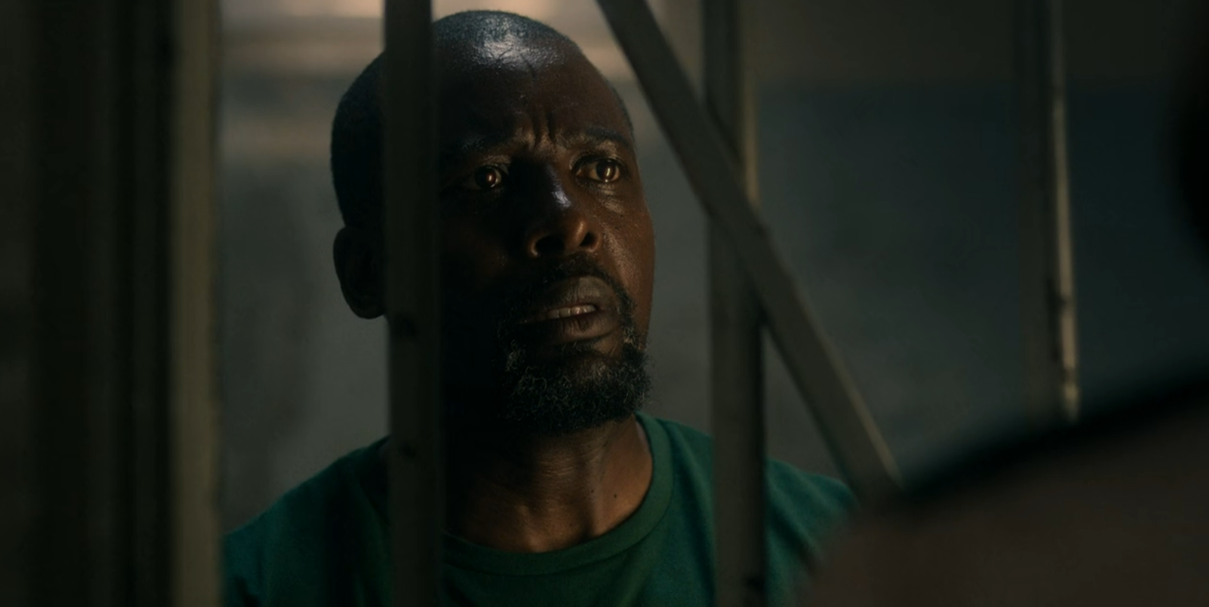
While the Brotherhood, and by extension, the Gaz’Lam, is not directly based on any one criminal faction, some strong parallels can be drawn with the real-life organization Capital’s First Command, also known as Primeiro Comando da Capital, or the PCC. The crime syndicate was created on August 31, 1993, by eight prisoners at the Casa de Custódia de Taubaté, a prison in the state of São Paulo, and is believed to be a response to the brutal suppression of a riot in the Carandiru Penitentiary. As per reports, the military police stormed the Carandiru Penitentiary on October 2, 1992, following a riot, and the resultant violence left 111 inmates dead, as per official records. News about this violence led to unrest across Brazil, and likely informed the founding of the PCC.
While there are apparent similarities between the rise of the PCC and that of the Brotherhood or the Gaz’Lam, the creators have confirmed that these overlaps are largely coincidental. Instead, the Brotherhood is designed as a fictionalized composite of several criminal factions and even draws on groups that predate the PCC, according to actor Seu Jorge, who plays Edson in ‘Brotherhood.’ For the most part, the conception of Gaz’Lam seems to have followed suit, and while it’s likely that the writing team drew loose inspiration from real-life criminal organizations in South Africa, the core behind Gaz’Lam remains fictional.
Actor Tony Kgoroge Spoke to Real-Life Convicts While Preparing to Play Moses
Much like ‘Umthetho’ is based on ‘Brotherhood,’ its lead character, Moses Dlamini, is also a recreation of the character Edson from the Brazilian series. While the major plot beats in ‘Umthetho’ directly draw from the original series, it’s the finer details that make Moses stand out as a character. When first offered the role, actor Tony Kgoroge was occupied with some other task, but was surprised to learn that he had been cast anyway, without doing a screen test. This proved to be a perfect decision, as from that point on, Kgoroge devoted himself to the role, spending weeks getting into the mind of Moses. In a conversation with The Mail & Guardian, he revealed that he spoke with men who had spent more than 18 years in prison to get a better grasp on what effect imprisonment can have on a person.
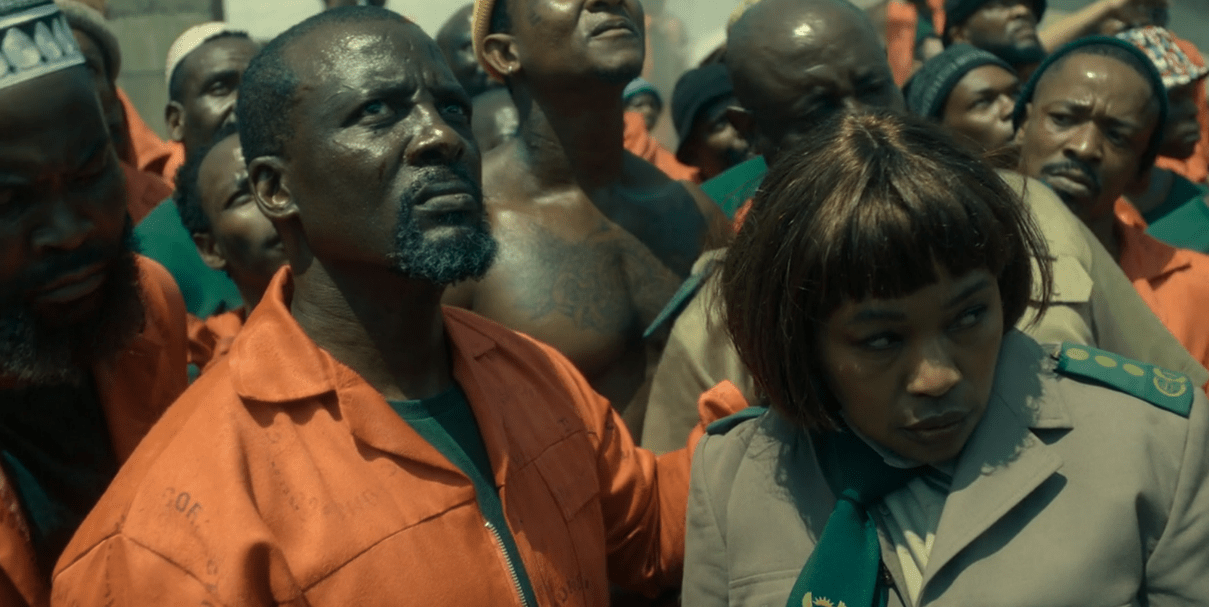
Kgoroge noted that researching South African prisoners “helps to understand the mentality and the outlook of this guy, you know, by grabbing from these guys.” Although he was conscious of Edson’s existence as a character, while filming for the role, he made sure to keep Moses firmly within a South African context. “We don’t step out of the boundaries or be influenced by the Brazilian one that we had.” Instead, Kgoroge envisioned his character as a true South African with realistic problems centered around his homeland, and that is reflected in the performance we see on screen. While ‘Umthetho’ may be a work of fiction, it is very conscious of its sociopolitical context, and ultimately uses fiction to tell a deeply realistic tale.
Read More: Is Netflix’s Umthetho Based on a True Story?

