
 Aahana Swrup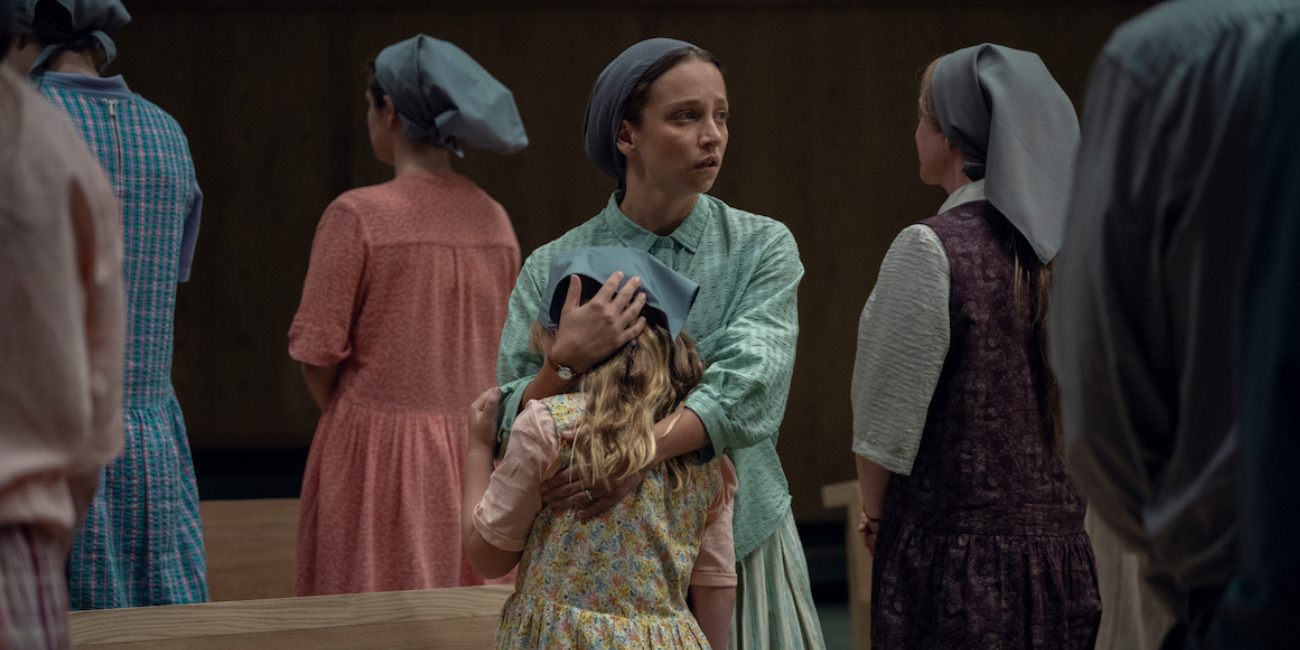
‘Unchosen’ delves into the suffocating world of cults, pitching a fictional Christian community, Fellowship of the Divine, at the center of its narrative. The protagonist of the show, Rosie, was born and raised in the cult, where she continues to live as an obedient wife and a caring mother. Thus, the unexpected arrival of an outsider, Sam, threatens to turn her entire worldview upside down. However, the stranger isn’t quite the savior one might expect him to be. This becomes blatantly clear once he starts working for Rosie’s husband, Adam, at his communal company, Harrison’s Sawmill. Once Sam gets his foot in the door with the cult’s higher-ups, which includes Adam, his ambitions quickly take a dark turn. The sawmill itself becomes a crucial part of the storyline as it becomes fertile ground for the beginning of the dynamic between Sam and Adam. However, is there any reality behind this on-screen company?
Harrison’s Sawmill Adds a Sense of Realism to the Fictional Worldbuilding of the Series
In ‘Unchosen,’ most of the elements that make up the narrative are works of fiction, created in service of the show. Even so, the creator Julie Gearey took substantial inspiration from the lived experiences of former cult members in shaping the fictitious world in her show. Consequently, despite their fictitiousness, most components of the story retain some basis in reality. The same is true for Harrison’s Sawmill. Although multiple businesses exist under the same name, these establishments have no direct connection to the on-screen company. Since the Fellowship of the Divine remains a fictitious cult, the on-screen Harrison’s Sawmill, a business that works in direct connection to the church, is also rendered similarly fictitious. Yet, it’s this connection between the company and the cult that contributes to its sense of realism.
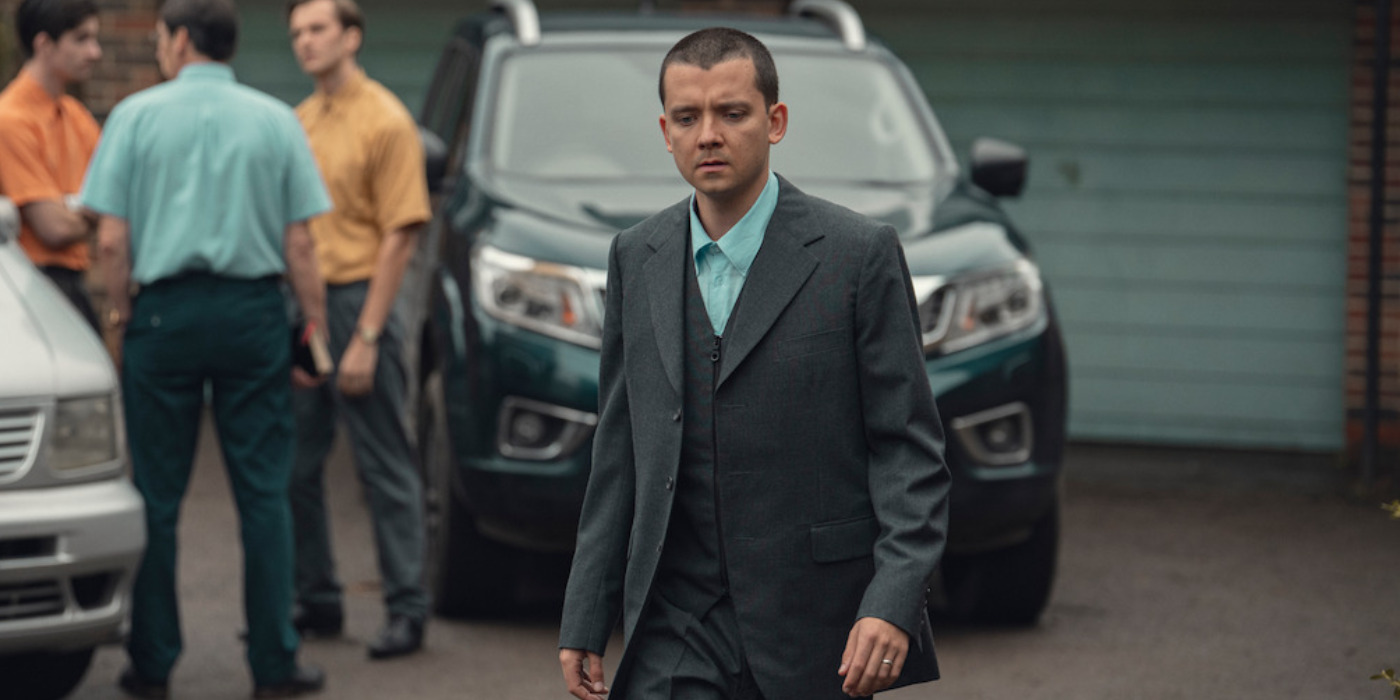
In real life, most isolated cults and communities tend to have some legitimate business attached to them as a means of more capitalism-driven money-making. For instance, the Bruderhof community in Sussex, England, a sect often criticized by outsiders as a cult, is known for making children’s toys and furniture. Likewise, the Church of Wells, a fundamentalist religious group that denies the tag of cult despite attracting widespread attention as such, runs a sawmill side business. However, over the years, this sawmill has received scrutiny from OSHA (Occupational Safety and Health Administration), on account of unsafe working conditions as well as violations of child labor laws. Harrison’s Sawmill doesn’t partake in anything as outright nefarious. Instead, its connection to the Fellowship legitimizes the church as a cultish endeavor and brings a sense of realism to the overarching storyline.
Read More: Is the Fellowship of the Divine a Real Cult? Is Mr. Phillips Based on a Real Cult Leader?

