
 Aahana Swrup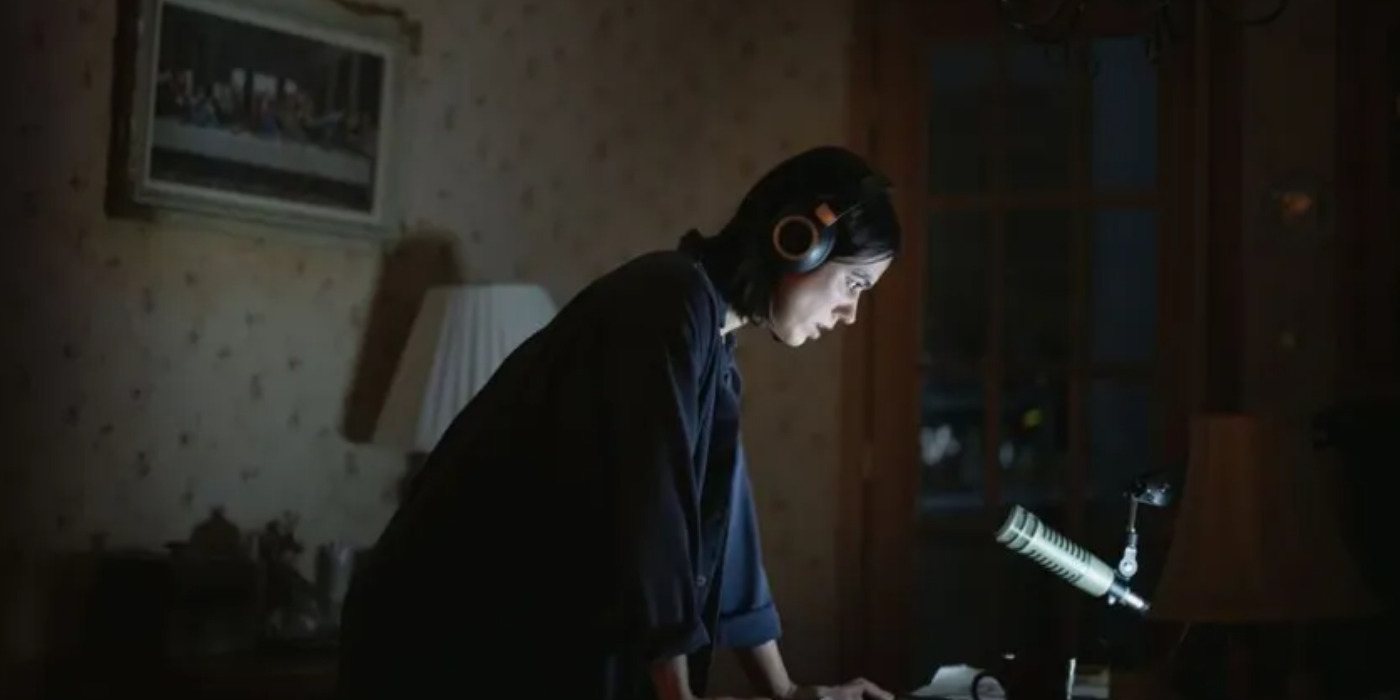
Directed by Ian Tuason, the audio-focused horror film ‘Undertone’ presents a narrative that mines a sense of terror in the unseen. The story, set entirely in the confines of a house, revolves around Evy, a daughter who finds herself tasked with the duty to care for her comatose mother in her dying days. Confined within her childhood home, awaiting a devastating loss, the protagonist only has so many ways of staying sane. The most important of these stems from the horror/true crime podcast she hosts with her friend, Justin. However, when he pitches a unique story, one repeated through audio recordings that have been anonymously sent to them, the duo ends up biting off more than they can chew. The story blends themes of folklore, complex familial relationships, and demonic possession into one package. As such, despite its more supernatural grounding, the story’s basis in reality remains a point of intrigue.
Evy’s Journey in Undertone is Inspired by Ian Tuason’s Real-Life Experiences
Looking past the haunted audio files and the demonic presence, ‘Undertone,’ at its core remains a story about a woman’s relationship with her mother. The story begins with Evy back in her childhood home, where she has taken over as her mother’s primary hospice caretaker. As such, her days mostly revolve around the bleak reality of tending to her dying mother, knowing that only imminent death awaits on the other side. Therefore, in such a situation, the podcast and the mystery of the audio files become a convenient and much-needed source of distraction. However, even the desire for escape and avoidance ends up only stoking brewing emotions of guilt and sorrow.
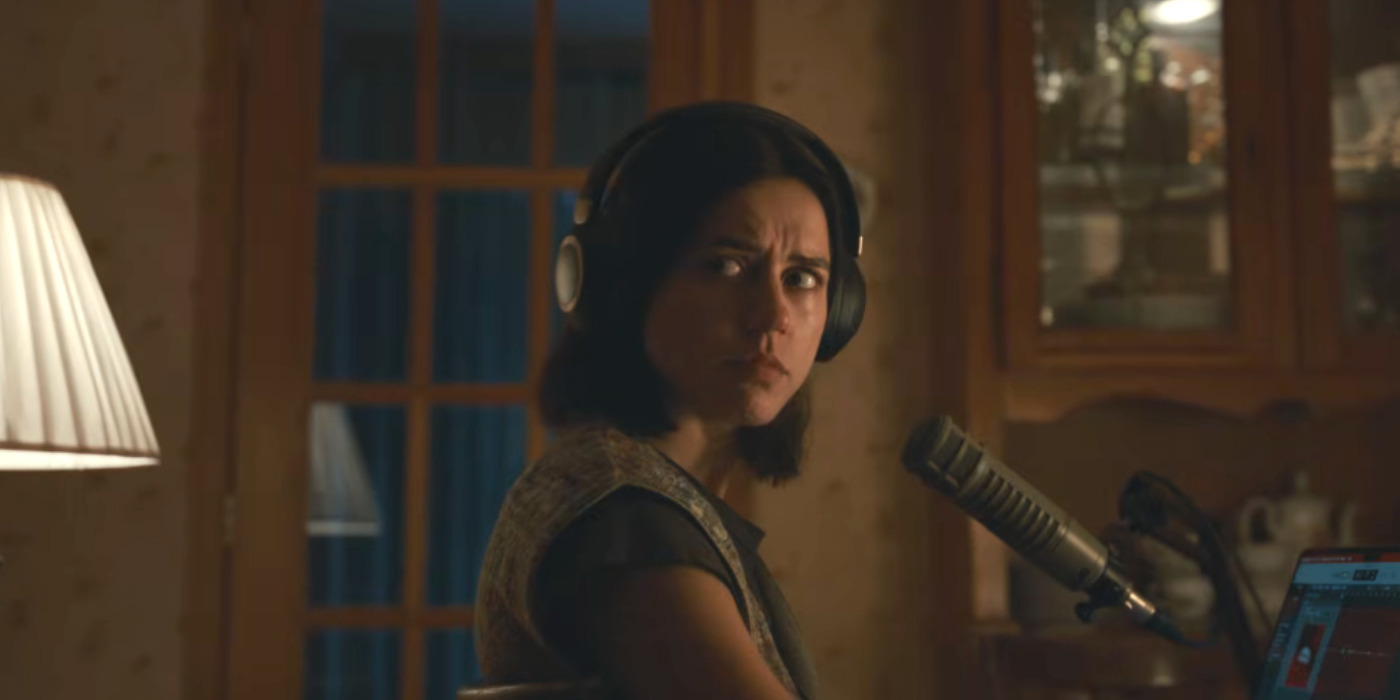
This emotional arc becomes the foundation that the entire film operates upon. Therefore, the fact that it is directly inspired by the real-life experiences of director/writer Ian Tuason only adds to the premise’s authenticity. In 2020, when the COVID-19 pandemic began, the filmmaker found himself becoming the primary caregiver for both his ill parents. The unexpected shift, paired with the isolating nature of the pandemic, introduced and heightened a sense of being stuck in Tuason’s life. It was during this daunting chapter that the filmmaker found himself penning the project, which went on to become ‘Undertone.’
As such, throughout the narrative, much of Evy’s reality is directly informed by the experiences and emotional journeys of the filmmakers. For instance, her catholic roots are a mirror of Tuason’s religious upbringing and the way it shaped his relationship with feelings of guilt and shame. Furthermore, the story explores on a deeper level what it truly means to enter a role reversal where one’s parents become reliant upon them at the end of their lives. Through the psychological impact of the demonic haunting on Evy’s mind, the narrative gets to examine these themes on a personal and cathartic level. The fact that all of it stems from the filmmaker’s personal plight with a near-identical situation adds a crucial sense of realism.
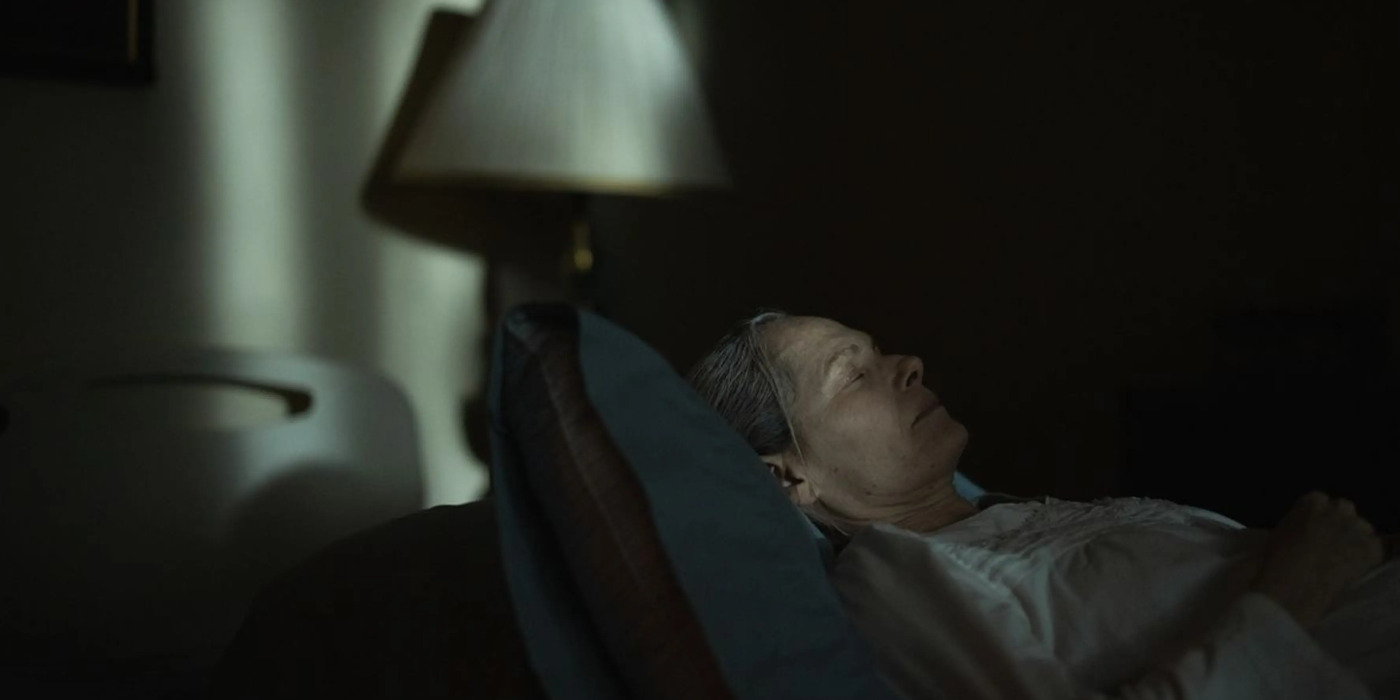
Furthermore, by employing such a crucial aspect of interpersonal relationships, Tuason created a premise that would deeply resonate with audiences on a universal level. Tuason talked about the same in a conversation with ABC News, where he said, “I wanted to take the safest place and make it haunted. You used to run to your mom whenever you were scared at night, from a ghost or just from a shadow. Yeah. I took that place away when I possessed her mother in the childhood home so. And there is a fear of being a mother because of feeling like you might be trapped or losing your freedom. And that’s kind of what happens to Evy when her mom gets sick. She can’t leave the house, and she’s forced to be there. And there is two exact opposite pulls to being a daughter and being a mother. You could unconditionally love through any hardships, or it could be conditional.”
Undertone Builds Its Lore With Some Real-Life Myths and Some Fictitious Ones
Despite the semi-biographical elements in ‘Undertone,’ the actual premise and storylines of the film remain a work of fiction. The central inciting horror revolves around a complicated history of children’s rhymes and their connection to a demonic entity from European and Middle Eastern folklore. The actual demonic events in the story inherently remain fictitious by virtue of their being supernatural in nature. However, the film mines some inspiration from real life in creating the lore around this element. In the story, Evy and Justin find that there’s an eerie connection between the nursery rhymes and the kid-stealing demon, Abyzou. The latter entity stems from folklore and finds a grounded basis in demonology. On the other hand, the story’s version of some of the nursery rhymes proves to be a mixed bag.
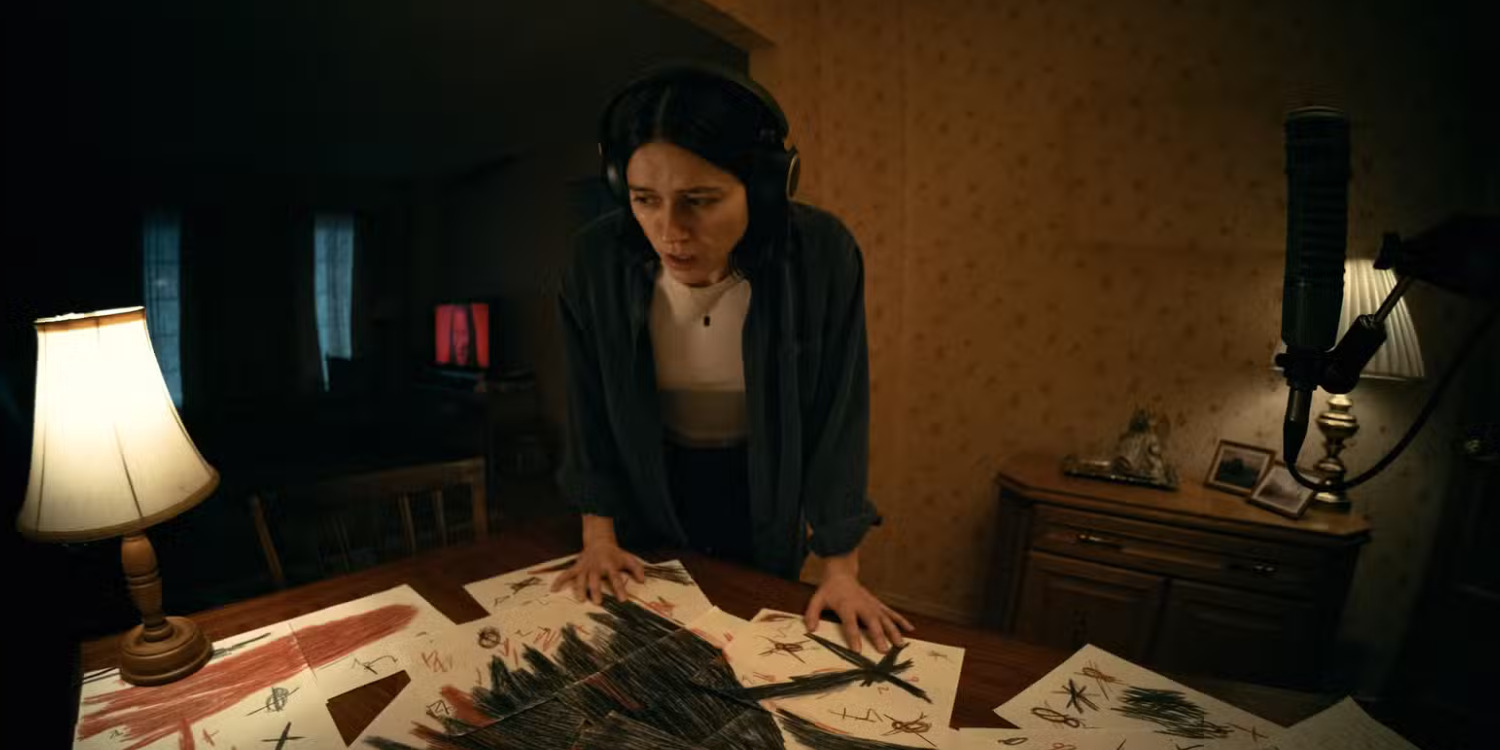
For instance, the film talks about the theory that the famous kids’ rhyme ‘London Bridge is Falling Down’ is about the burial of children at the monument’s foundation. This has long been a part of modern folklore with no historical or archeological evidence discovered to offer any credibility to the claim. Still, the myth itself has a basis in reality. On the other hand, the idea that ‘Ba Ba Black Sheep’ has some hidden meaning within its rhymes that will only reveal themselves once the song is reversed is a creation of the film’s fictionality. Reportedly, this idea came to Ian Tuason after he stumbled across a YouTube video about Kermit the Frog’s song “Rainbow Connection.” In the video, the song was reversed and examined to coax out some hidden meaning. The idea stuck with the filmmaker and took the shape of its own in the film as a source of fear and dread.
Undertone Relies on Audio to Create a Sense of Unnerving Horror
One of the defining aspects of ‘Undertone’ stems from its audio-forward approach to charting a horror story. On a surface level, the film operates on one of the golden rules of the genre, previously mastered in classics like ‘Jaws.’ However, the project further expands upon the idea by highlighting the purpose of music and audio cues in setting up the stage for anticipatory fear. From reversed audios to a heightened focus on noises like flickering lights, running water, and banging doors, the haunting in Evy’s house remains a sound-centered affair. As such, every new noise becomes another reason for the audience to be put on edge.
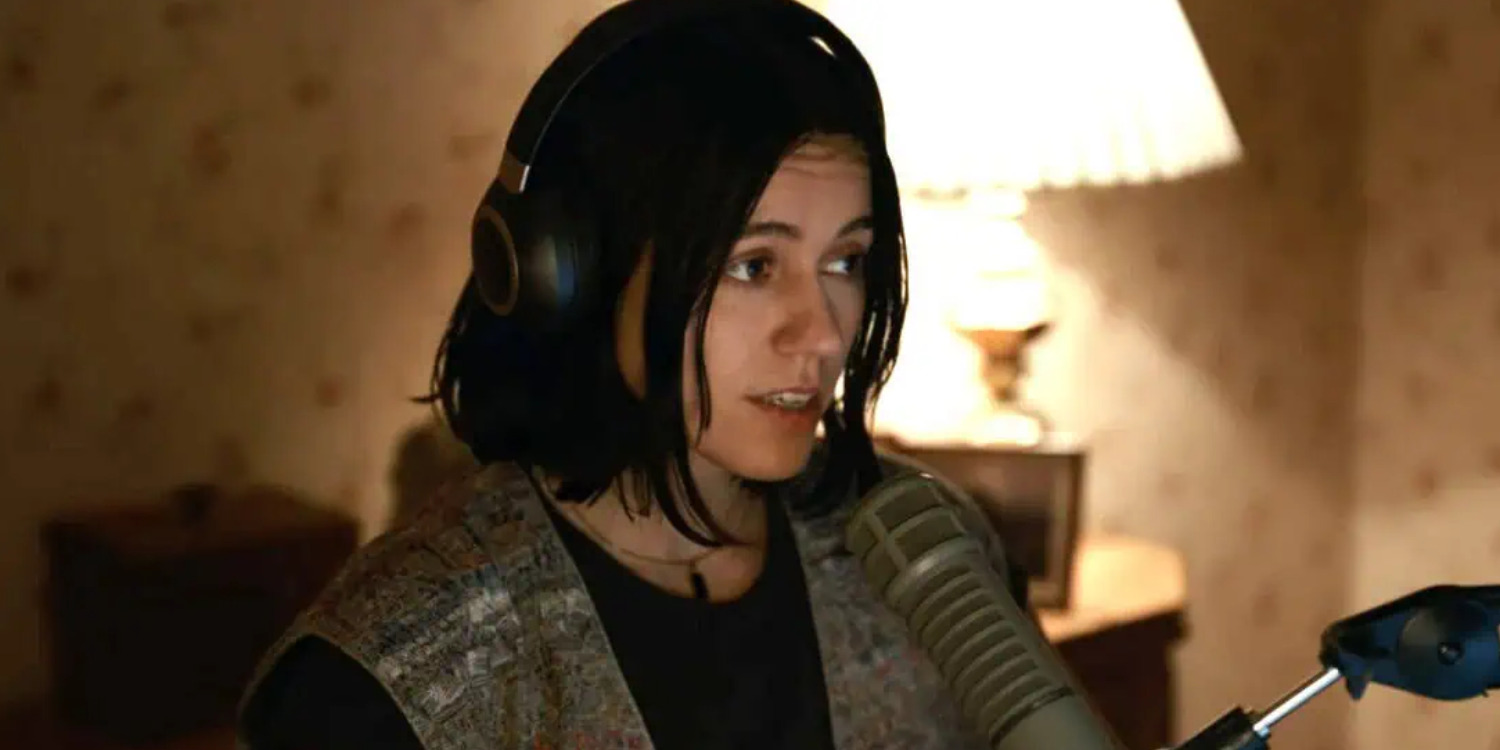
This prioritization of audio in the film is further perpetuated by the crucial ways that a true crime/horror podcast is used as a tool to present the story. By combining it as an instrumental element in the story, the film effectively creates a grounding world where sounds and empty spaces become the prime source of terror. While talking to IndieWire, Ian Tuason spoke about the actual implementation and effect of this strategy. He shared, “It’s an exercise for your imagination. You’re the one forming this horrible implication, this horrible image, in your head. You’re creating it. Not me.”
Read More: Undertone Ending Explained: What Happens to Evy and Justin?

