
 Diksha Sundriyal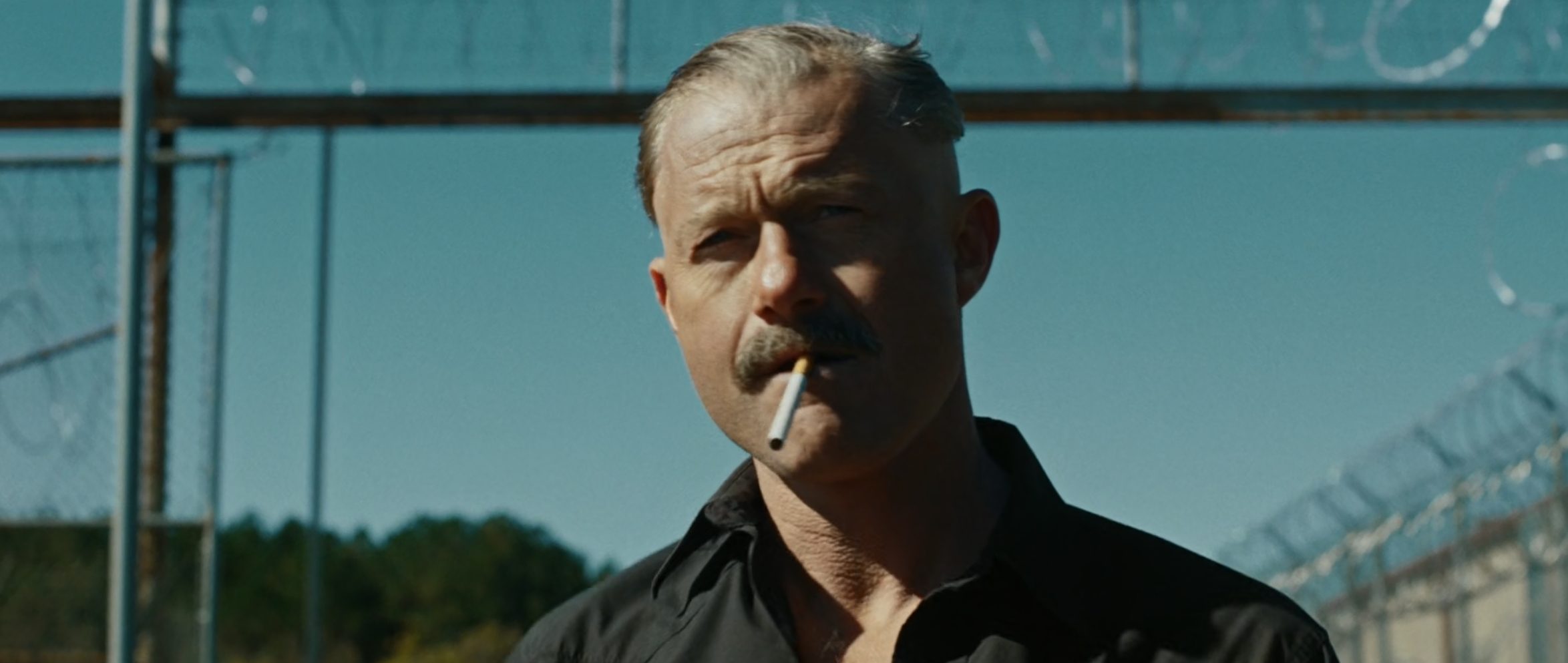
Directed by John-Michael Powell, ‘Violent Ends’ follows the story of Lucas Frost, who is pulled into the criminal world of his family in his quest for revenge. At the beginning of the film, the protagonist is intent on separating himself from the crime and violence attached to the Frost name. However, when a robbery goes wrong and Lucas experiences a devastating loss, he is forced to walk the very path he had vowed to denounce. The Southern Gothic crime thriller takes the audience on a bloody, bumpy ride, leaving them with the very real question of violence’s consequences.
The Writer-Director Wanted to Present a Different Perspective on Arkansas
‘Violent Ends’ is a fictional tale written by John-Michael Powell. The idea for the story took root in his mind as he reflected on his roots and on how Southern characters, particularly from Arkansas, are portrayed in Hollywood. He wanted to write a story that went beyond the cliches and presented a more nuanced version of the state’s people. He wanted to make a genre movie that would follow flawed yet human and layered characters who are much more than meets the eye. Another reason Powell wanted to set the story in Arkansas was his own experience living there. He grew up in North Little Rock, Arkansas, and as a child, he spent a lot of time exploring the creeks, the woods, and the neighborhood.
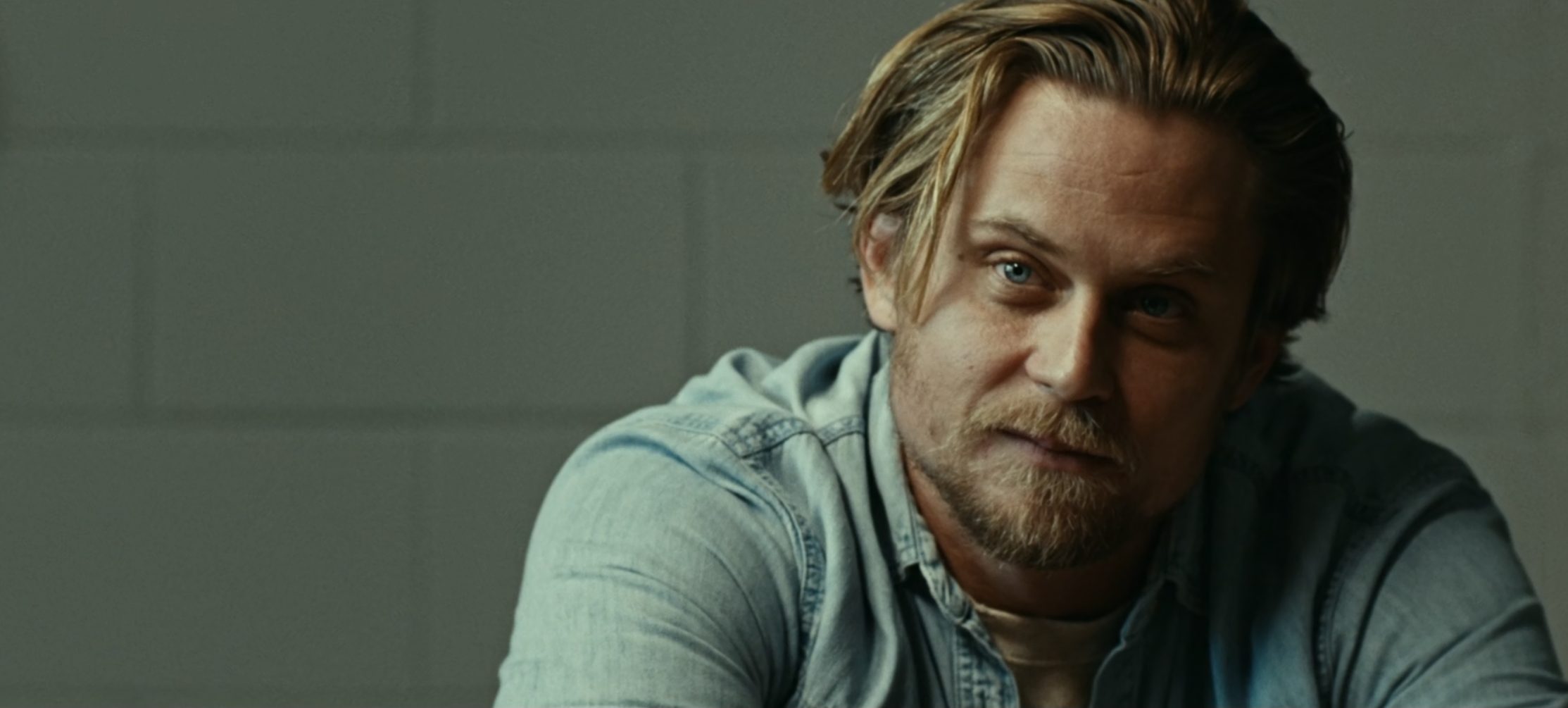
He remembered the variety of things he’d encounter, from abandoned barns to rusted cars, from welcoming people to those who didn’t want anyone to step foot on their property. This contraction of the place and the people stayed with him, and its influence would reflect on whatever he sat down to write. At the same time, he was also inspired by the stories his mother, a history teacher and the inspiration for Lucas’ mother, Darlene, told him. She’d talk about the local families and their feuds, some of whom would be more violent than expected. Years later, when Powell moved to the Ozarks for a while, he noticed the rivalries that still simmered beneath the surface.
All these details and heard tales led him to create the fictional Frost family and their violent ways that feed the film’s drama. While there was no particular real-life event or person that inspired the plot and its characters, the director revealed that some of his writing was influenced by the 1919 Elaine Race Riots. The riots happened after Black sharecroppers, fighting for fairer work conditions, faced the white landowners who tried to suppress their protest. Over the course of three days, extreme violence took place against hundreds of African Americans. While reading about this, Powell was affected by the unraveling of violence in a situation where someone is working for a better life, and how people who are unwilling to let go of the status quo react to the possibility of change.
John-Michael Powell Wanted to Present a Realistic Mix of Violence and Emotions
John-Michael Powell sought inspiration in literary geniuses like Cormac McCarthy, particularly his ‘The Border’ trilogy and ‘Blood Meridian.’ He also cited the influence of movies like Coen brothers’ ‘No Country For Old Men,’ David Cronenberg’s ‘A History of Violence,’ Jeff Nichols’s ‘Shotgun Stories,’ and Jeremy Saulnier’s ‘Blue Ruin.’ The director revealed that the early 1990s setting led him to use title cards at the beginning of the film to introduce the Frosts’ background without relying on dialogue. It was his homage to films like ‘Gladiator’ that have also used this approach. In the same vein, the action heroes from the 1980s films, like John Rambo, Snake Plissken, and John McClane, presented the cast in which he wanted to mold Lucas’ character.
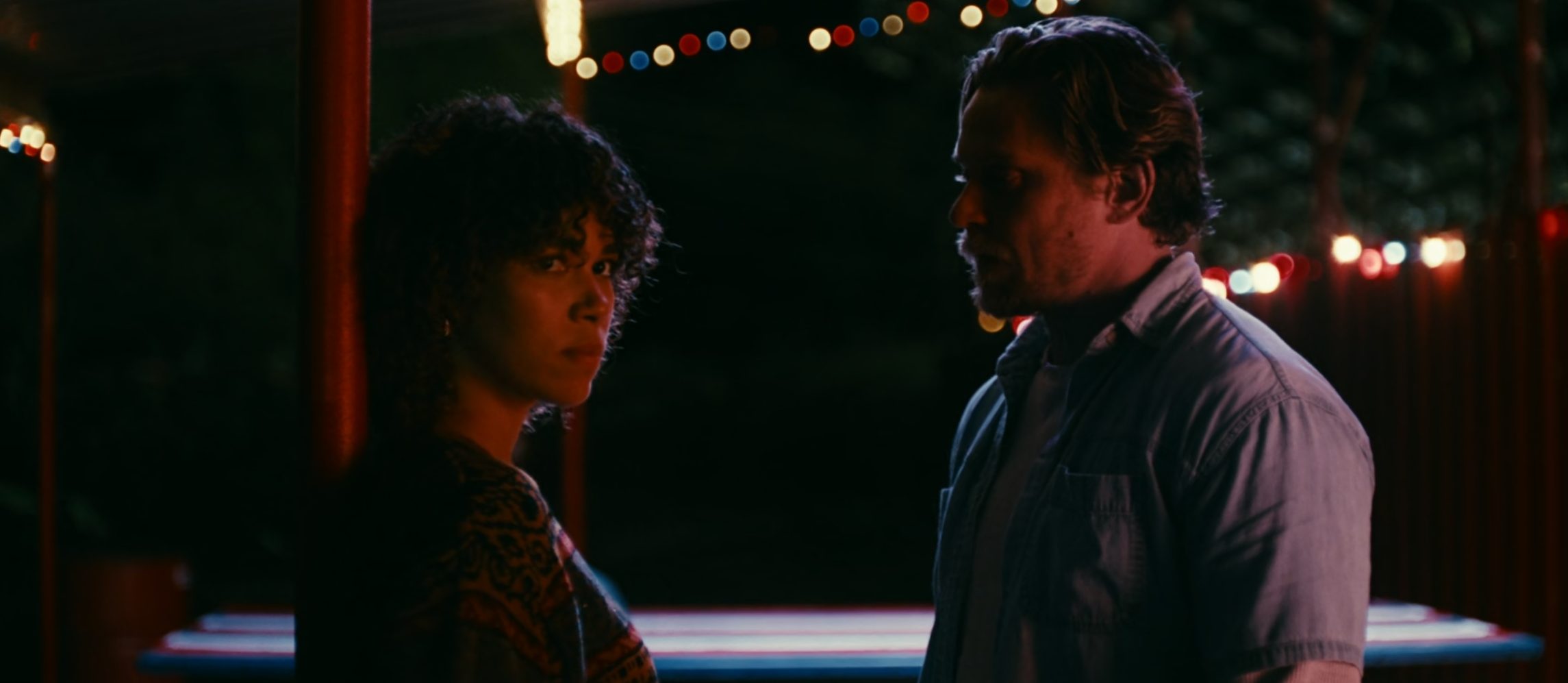
Powell wanted the character to have a balance of strength and vulnerability, mixing violent masculinity with emotional depth. While writing Lucas, he thought about what a hero from those movies would be like if he were a normal, Arkansas guy. In essence, it was the story of a person whose morals and heart are in the right place, but who is forced to reckon with his dark and violent side in his quest for something that is morally correct, at least at first. At the end of the day, the director intended to unsettle the audience and leave them pondering the cost and consequences of violence. He wanted to paint a realistic picture of the cycle of violence, how it moves from one generation to another, and what it takes for someone to break it for good.

