
 Aahana Swrup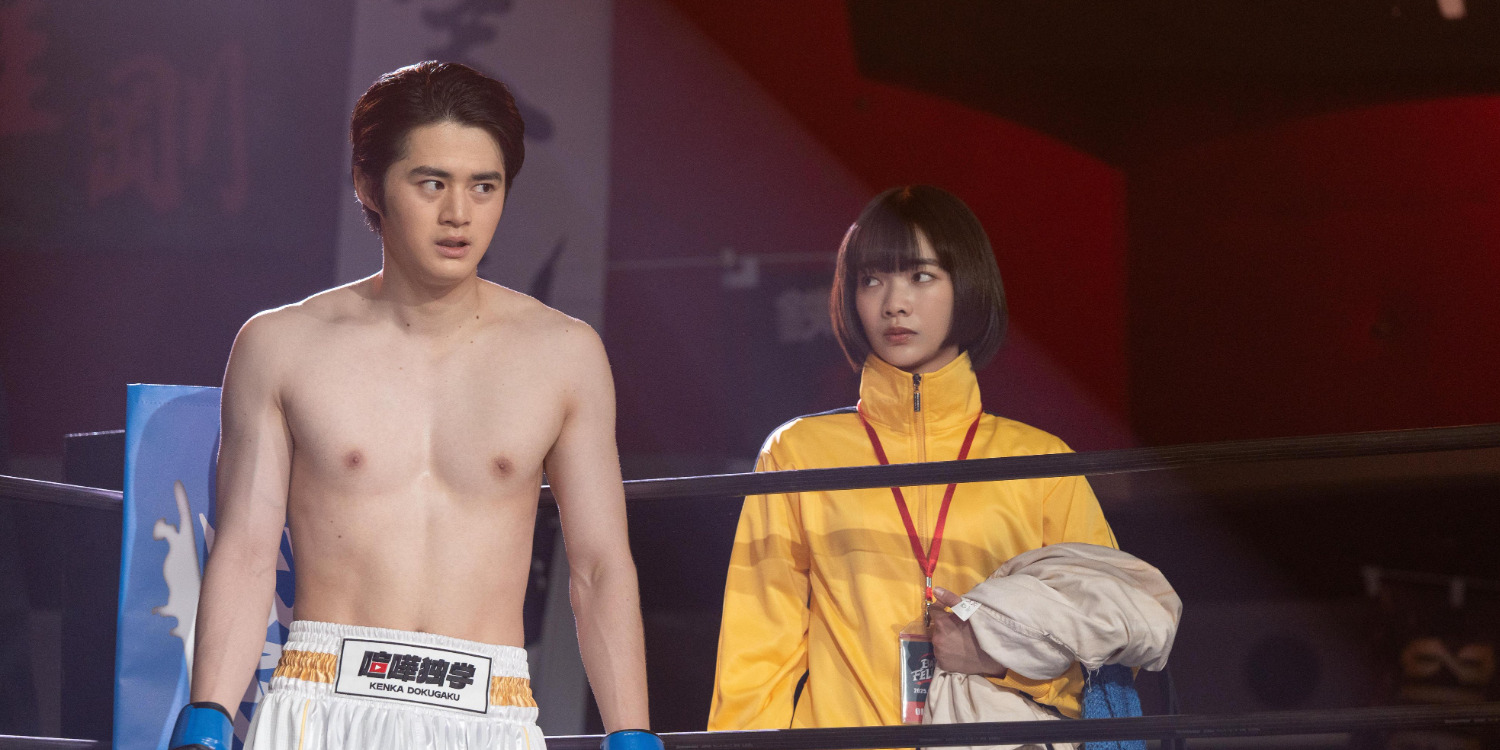
In ‘Viral Hit’ (Originally titled ‘Kenka Dokugaku’), Kato Shimura finds himself inadvertently becoming an online sensation. The teenager is used to being at the bottom of the social ladder at his high school, where more often than not, he’s the butt of the joke or a stand-in for a punching bag. That is, until one day something compels him to fight back against his aggressor. That fight, accidentally captured on online streaming, blows up, introducing the novice fighter to the lucrative world of streaming. As a result, Kato and two other social outcasts, Kaneko and Aki, team up to run their channel “Viral Hit,” where the amateur fighter takes on bullies and others of the same sort. As their videos continue to go viral, they rake in good money. Yet, inevitably, the streamer, his team, and their channel realize they might be the small fish in big waters.
Viral Hit and Kota Shimura are Works of Fiction With Roots in a Webtoon
‘Viral Hit’ shares no direct basis in real life and remains a work of fiction. The series is a Japanese adaptation of an eponymous Korean Webtoon created by Taejun Pak and Kim Junghyun. The comic revolves around a similar premise, featuring the protagonist Hobin Yu, a high schooler who becomes a successful online celebrity after taking martial arts advice from a mysterious rooster-mask-wearing content creator. Despite the translation across different countries, the story remains the same with only slight changes. For one, Hobin Yu becomes Kota Shimura, and Viral Hit, a channel hosted on the fictitious Newtube, gets transported to Buzz Live, a similarly fictitious streaming platform.
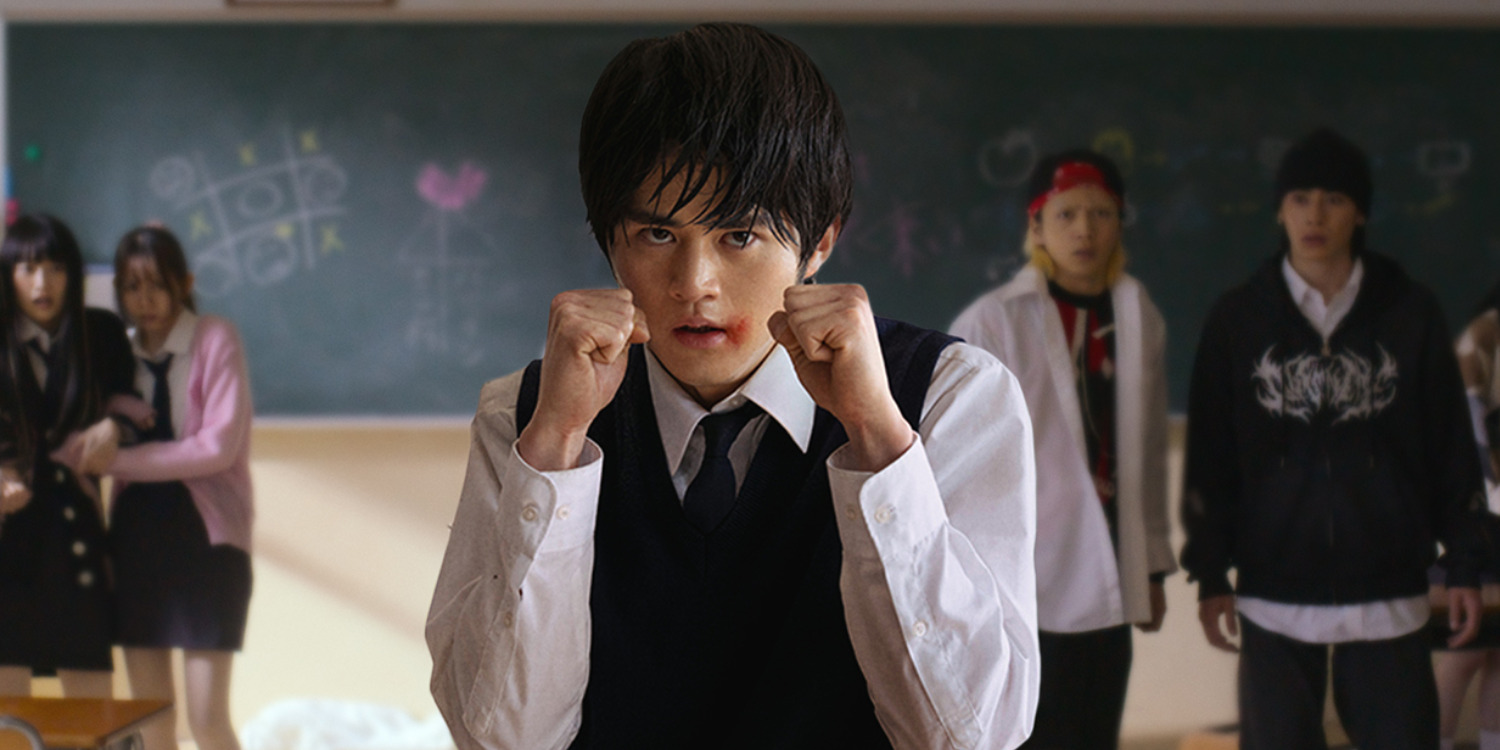
Both Viral Hit, the channel, and its star, Hobin Yu, were original creations of Pak and Junghyun’s work. As a result, the on-screen Shimura and his channel also remain confined within the fictional borders of the story. Martial arts or even street fighting influencers aren’t a novelty in real life. Yet, there’s no singular creator or channel that has provided direct inspiration to the story’s foundational elements. In fact, Shimura’s model content creation largely remains improbable outside of the series. In real life, monetizing the kind of non-professional and regulated violence as depicted in the show comes with many strings attached. Most of the popular streaming platforms, like YouTube, Twitch, and more, have strict policies regarding the depiction of violence, especially for shock and non-educational purposes. These are exactly the categories Shimura’s content would have fallen into.
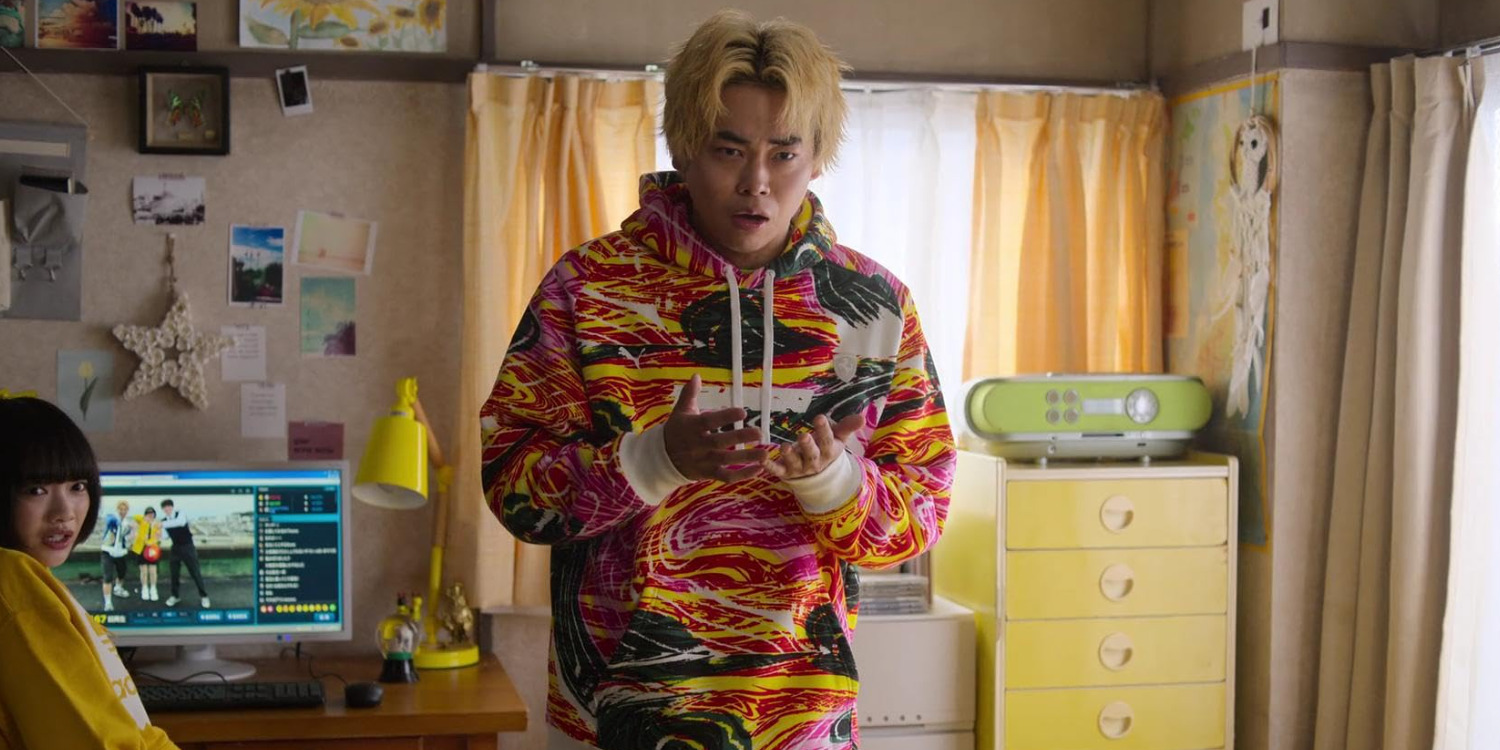
Even though some non-mainstream and new platforms might host such content, the possibility of garnering enough of an audience on these platforms to make millions is dubious at best. Therefore, some level of suspension of disbelief remains attached to Shimura’s career as an influencer and his connected channel. Nonetheless, the show uses both elements to explore some realistic themes. For instance, Shimura’s ability to find a purpose through his streaming career emphasizes the world of possibilities that the internet opens up to the general population. Additionally, his later encounter with online hate depicts the brutality of cancel culture and its impact on people’s lives. Ultimately, the on-screen influencer and his channel strike a balance between fiction and authenticity.
Read More: Viral Hit Ending Explained: Who Wins Between Shimura and Kuwata?

