
 Abhiroop Das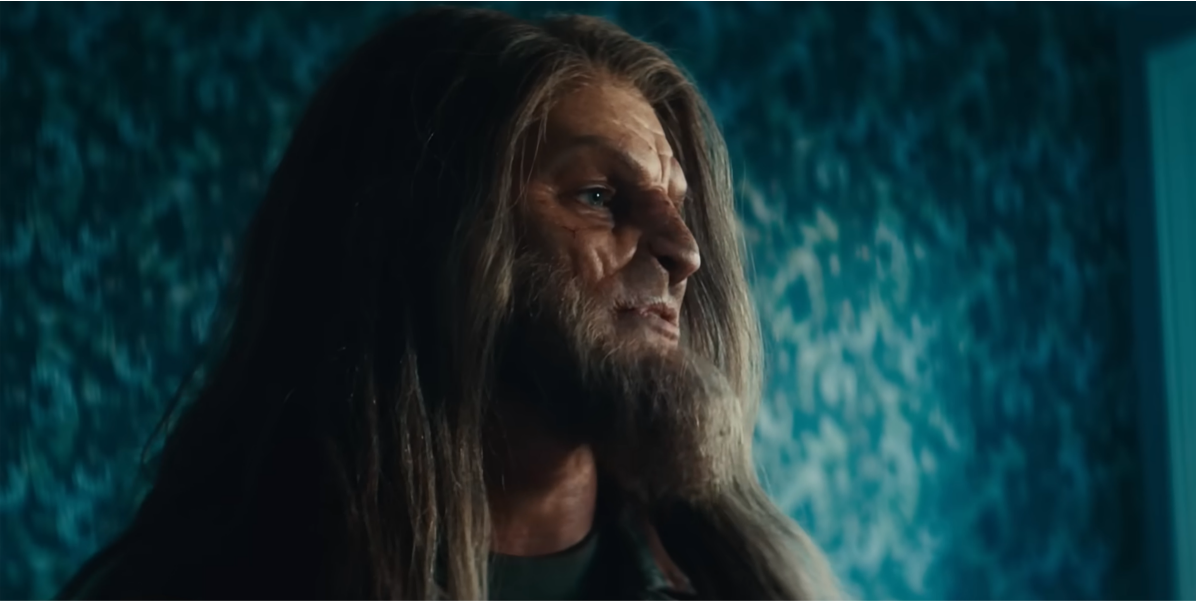
Helmed by Caroline Lindy, ‘Your Monster’ presents the mystical tale of Laura Franco, a prodigious theatre artist whose life shatters right in front of her eyes when she is diagnosed with cancer. While her surgery is a success, her partner, Jacob Sullivan, ends things with her, leaving her in a world where all her connections with art are severed. However, this changes one mysterious night, when she comes face to face with the proverbial monster in her closet, who threatens her to leave or meet a terrible fate.
While terrifying at first, the creature, who identifies as simply Monster, soon reveals himself to be a rather charming individual, one who doesn’t shy away from giving Laura life advice. As the duo spends more time together, Laura reconnects with her roots as a thespian and comes to realize the true meaning of self-expression. At the end of this horror romance comedy movie, Laura and Monster step out of the house, both literally and symbolically, to carve out a path of their own. SPOILERS AHEAD.
Your Monster Plot Synopsis
‘Your Monster’ begins with Laura Franco, a young and talented thespian, dealing with her cancer diagnosis and subsequent surgery. The biggest blow, however, comes after, when her boyfriend and fellow theatre artist, Jacob Sullivan, breaks up with her, refusing to take accountability in the relationship. Broken beyond belief, Laura retreats to her childhood home for recovery, but soon notices that some things are off. Frustrated with the flickering of the lights and the mysterious noises, she dares it all and follows a trail of mysterious happenings that leads her into her childhood closet. There, she comes face to face with a creature who refers to himself as Monster and claims to be her childhood companion.
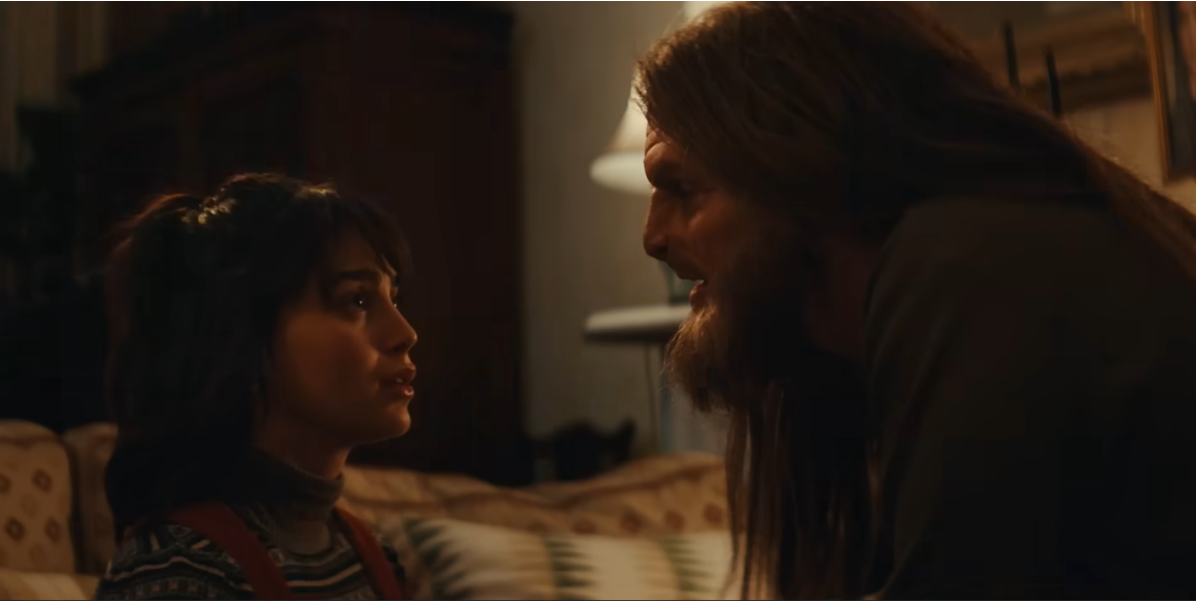
Monster, upset by Laura’s arrival, gives her a two-week window to cope with her emotional trauma and leave the house. During this period, however, the two begin bonding and sharing experiences. When she learns that Jacob is independently going through with a play she co-wrote, Laura nearly spirals out again, but this time Monster is here to boost her confidence. Determined to make her presence felt, she auditions for the play without telling Jacob, only to give a subpar performance. Jacob, out of spite, gives her a minor role to perform, but Laura still makes the most of it, making great mental health progress with Monster along the way. During a Halloween party, Laura invites Monster out into the human world, and the two share a passionate dance before making love.
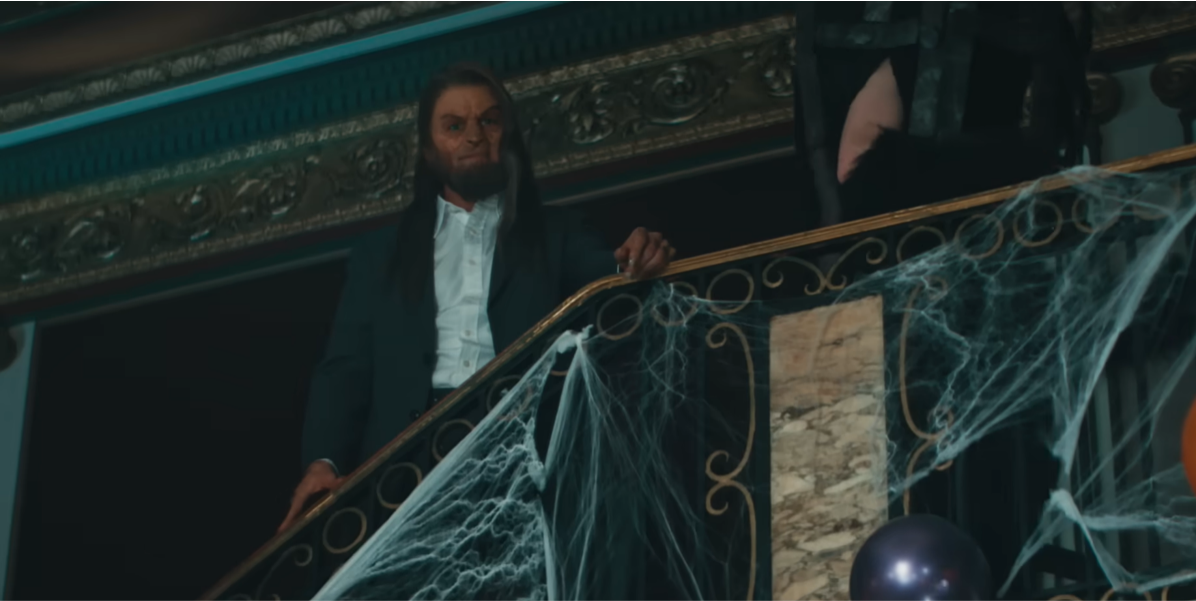
Later, during one of her rehearsals, Laura confronts Jacob for his malicious behavior, but the latter manages to manipulate and subdue her, and the two have sex. Laura, feeling more conflicted than ever, tells Monster the truth, which leads to an intense argument. Feeling betrayed, Monster seemingly vanishes, leaving Laura more alone than ever. However, instead of giving up, she carries the lessons she has learnt forward and relays the truth about Jacob to his current partner and the lead performer of the play, Jackie. Shocked, Jackie suggests that Laura take over the role without telling Jacob, and while the show is a hit, Jacob is left fuming and explodes at Laura during the interval. Just when all hope seems lost, Monster re-emerges from the shadows, except this time, he is angrier than ever before.
Your Monster Ending: Is Monster Real or Laura’s Imagination?
The ending of ‘Your Monster’ makes it clear that Monster is entirely a figment of Laura’s imagination, and this entire time, she has been interacting with herself. In a way, this hallucination completes the metaphor of Laura being an actor, as she not only manifests a figure into existence, but also pours a chunk of her subconscious into him, giving Monster his own, distinct personality. Still, Monster is an extrinsic version of Laura’s courage, self-expression, and innermost rage, which is brought out through a blend of myths and archetypes, chiefly that of the Monster in the closet. We see the initial iterations of this imagined entity all the way back in Laura’s childhood, when Monster seemingly protects her from a kid named Benji, who tried to attack her.
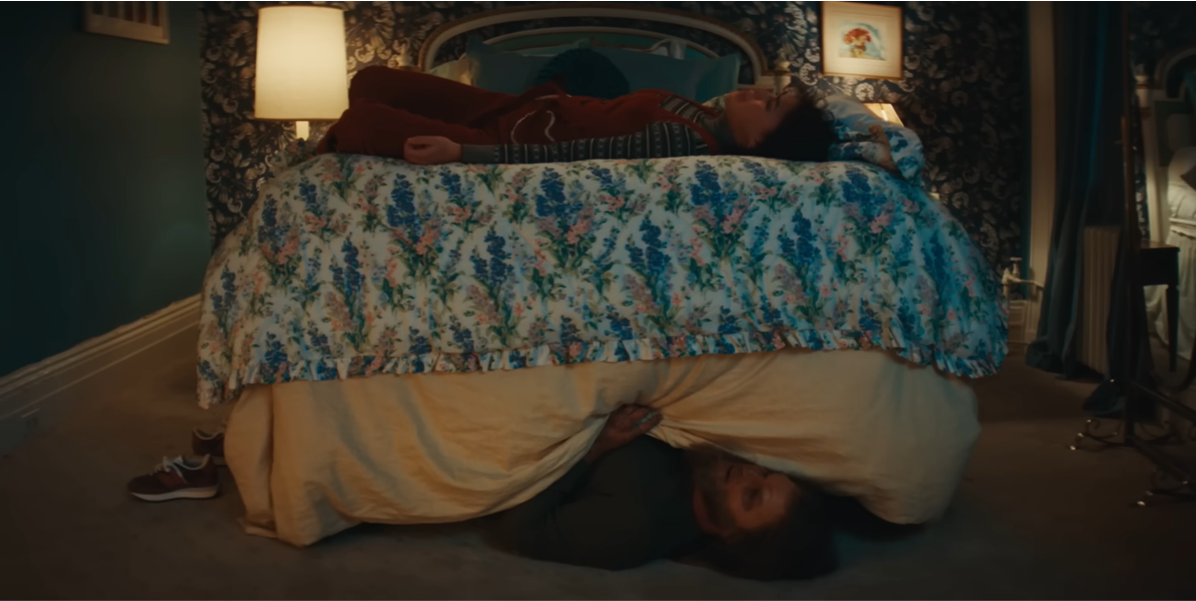
While Laura remembers the Benji incident as an inexplicable thing of the past, this is merely one of the ways her subconscious looks back at her, through the lens of Monster. In the present, Monster takes on a more corporeal form, claiming that he grew up alongside her over the years. Laura’s circumstantial return to her childhood house merely serves as a trigger point for her childhood imagination to take on a more mature form, but still perform the same subconscious tasks as before. To that end, the reveal about Monster recontextualizes all of his positive interactions with Laura as an act of self-healing and self-love, which is perhaps best symbolized by her and Monster having sex.
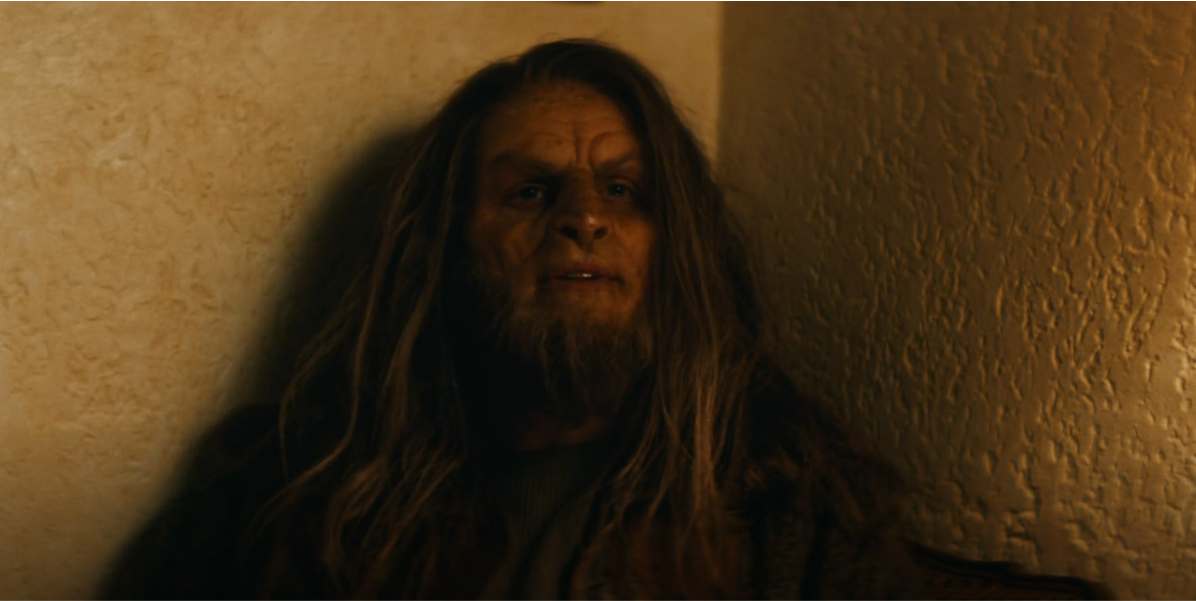
While Monster primarily acts as a guardian figure for Laura, it is also true that he is rendered as a beastly figure of nightmares, at least from Laura’s childhood perspective. In that vein, Monster can also be interpreted as a manifestation of her id, which in the Freudian sense refers to the unconscious, impulse-driven part of the brain. This reading recontextualizes Laura and Monster’s dynamic as a buildup to her letting go of her constraints, both social and psychological. While this is liberating in and of itself for Laura, in the real world, it has devastating consequences. When Monster interrupts her conversation with Jacob, it is not as her moral anchor, but rather in the form of a primal protector. As such, given what we know about Monster, we can infer that it is actually Laura who pounces on Jacob, this time with killing intent.
Is Jacob Really Dead? Will Laura Go to Jail?
In the final moments of ‘Your Monster,’ we learn that Laura, imagining herself as the beast, mauled Jacob to death. However, the brutality of the scene still leaves some doubts about how much of it is in Laura’s head, as the wounds on Jacob’s neck appear too large for human teeth. It is implied that she uses the ruler on stage to kill Jacob, and the look of pure horror on the audience’s faces is enough to confirm that the scene is at least partially set in reality. Another way the scene plays between reality and fiction is through the use of bloodstains on Laura’s clothes. While some scenes feature realistic blood, others resort to an intentionally painted look, showing how Laura is switching in and out of reality throughout the musical sequence.
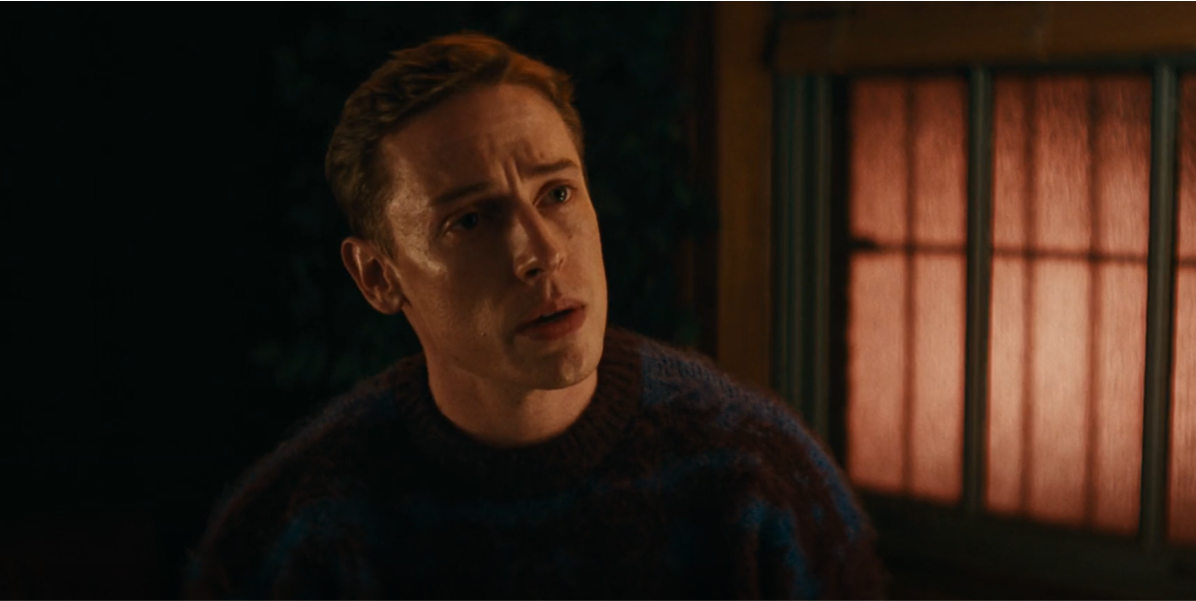
While the look of Jacob’s corpse may be dramatized to an extent, the fact remains that Laura killed him as revenge for everything she has been put through. This is not the reason she enters the theatre, however, as her primary goal is to affirm herself as an artist, by performing in the play she helped create. Where the tone shifts is in Jacob and Laura’s final argument, where he completely takes his mask off. Ironically, all the vitriol he directs towards her is actually self-reflexive, as it is he, and not Laura, who is always jealous and feeling inferior. From the start, Laura has proven herself to be the true artistic talent of the movie, and in a twisted way, the dramatized murder of Jacob serves as her artistic magnum opus.
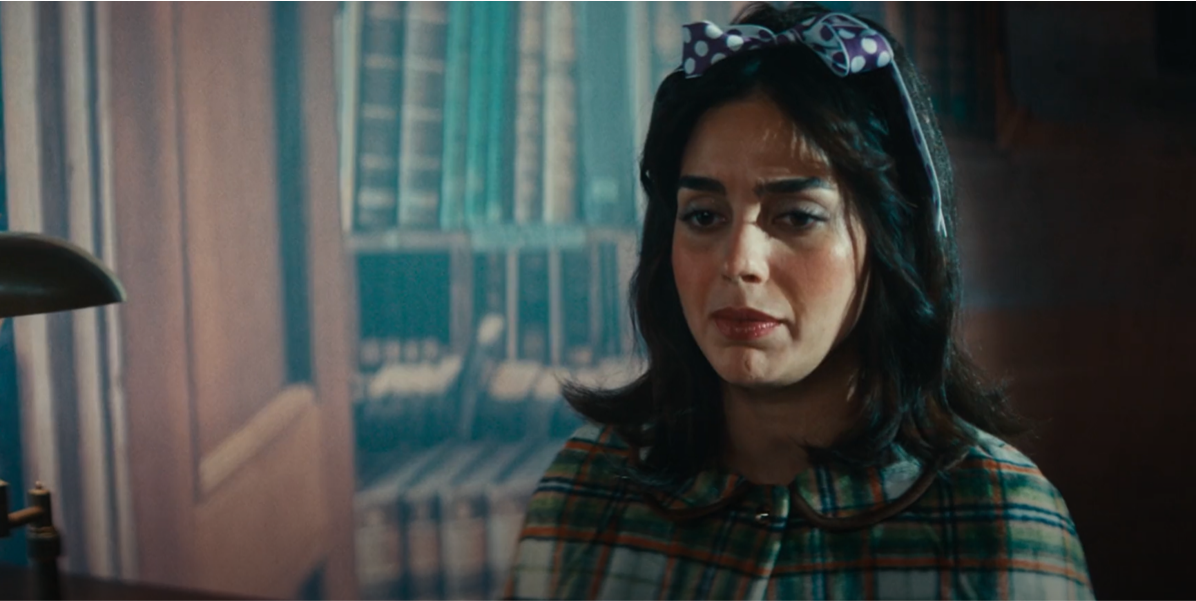
Although the movie ends with Jacob’s death, the aftermath is intentionally left a mystery. The most obvious answer here is that Laura will be arrested for murder and likely declared a person with a mental illness. While the idea of her imprisonment marks a thematically ill-fitting closure, the real conclusion of Laura’s arc is still in the final musical performance, which manages to reach all of its dramatic high notes. Notably, writer-director Caroline Lindy revealed an entirely different perspective on the movie’s ending to Deadline. Interpreting Jacob’s death as an allegory for ending a toxic relationship, she added, “to me, Monster is real to her (Laura.) And I’ve always imagined Monster and Laura riding off into the sunset together.”
What Does the Final Growl Mean? Does Monster Go Away?
The final scene of the movie features Monster’s signature growl, only this time it is not the beast, but Laura herself who lets it out. This superimposition confirms that she and Monster have essentially become one in spirit, and she no longer needs to imagine him as a coping mechanism. This internalization has both positive and negative connotations. On one hand, it signifies that Laura now has complete control over her emotions, but on the other, her final expression has a tinge of viciousness, which hints at a much darker possibility. It is possible that she may extend her desire for vengeance to other people who have hurt her in the past, including her former best friend Mazie, who had a sexual relationship with Jacob.
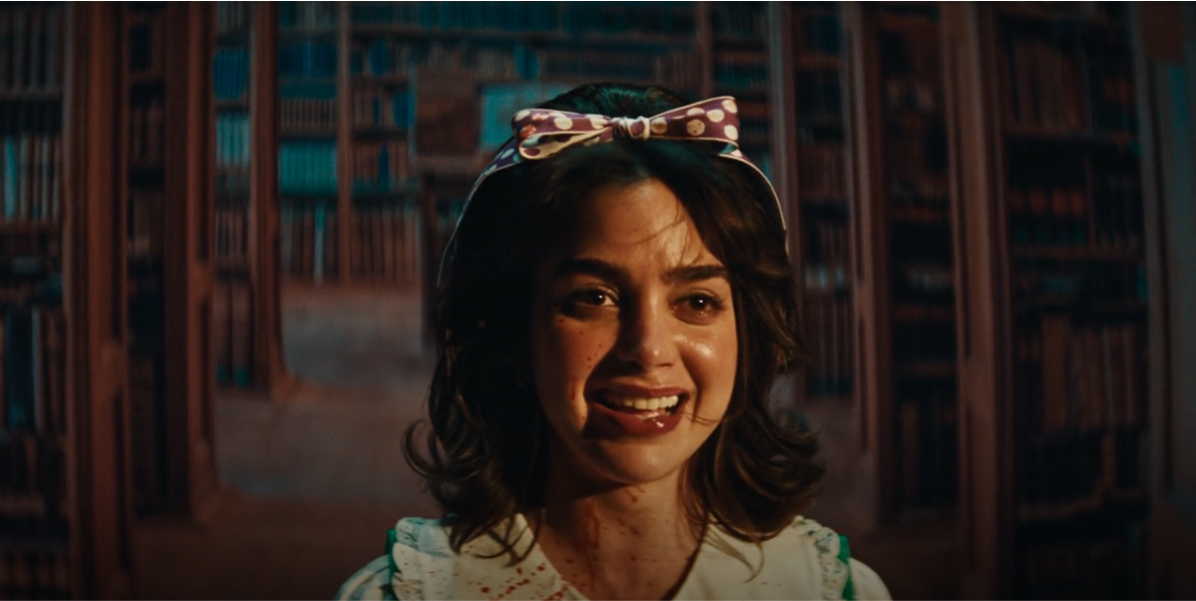
Although the final growl hints at several possibilities, some more gruesome than others, the baseline remains one of self-affirmation. Alongside Monster as a symbolic presence, Laura’s musical performance is itself a culmination of what she has been through. Fittingly, this journey goes past the bounds of the play she once co-wrote, and to accommodate this radical transformation, she has to improvise the entire final sequence. When an audience member nervously asks about Laura’s bloodstained costume and Jacob’s mutilated body, his companion suggests that the scene is awesome regardless of whether it’s a part of the production. This idea also holds true for the movie at large, as its most powerful moments, channeled through Laura’s catharsis, are also the most surprising.
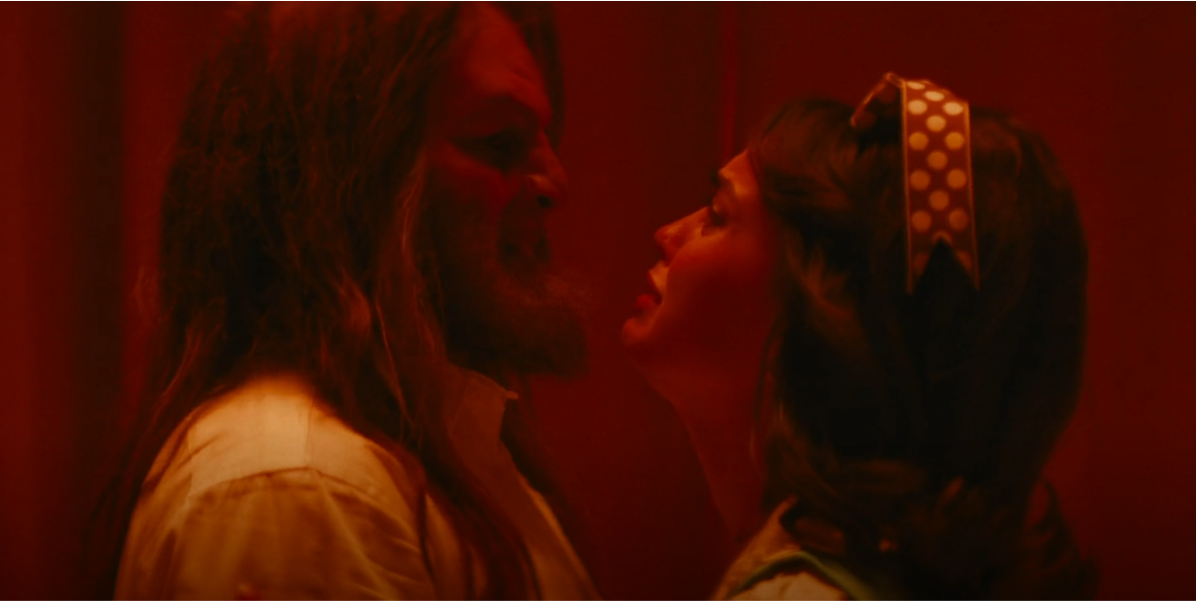
Despite the ending confirming the imaginary nature of Monster, it remains to be seen whether Laura is genuinely aware of the same or is still in a layer of delusion. While her growl signifies a merger of personalities, whether or not she lets go of Monster’s wild side can make or break her future. However, given the semi-fantastical nature of the story, Laura has no need to purge herself of her imagination, and it is just as possible that she will continue to imagine Monster as her lifelong companion, who chooses to be seen by no one but her. Still, the movie’s ultimate message, one embodied through Laura’s actions, is to take a stand for oneself against all odds.
Read More: Is Love Me Love Me a True Story? Is James Hunter Based on a Real MMA Fighter?

