
 Abhiroop Das
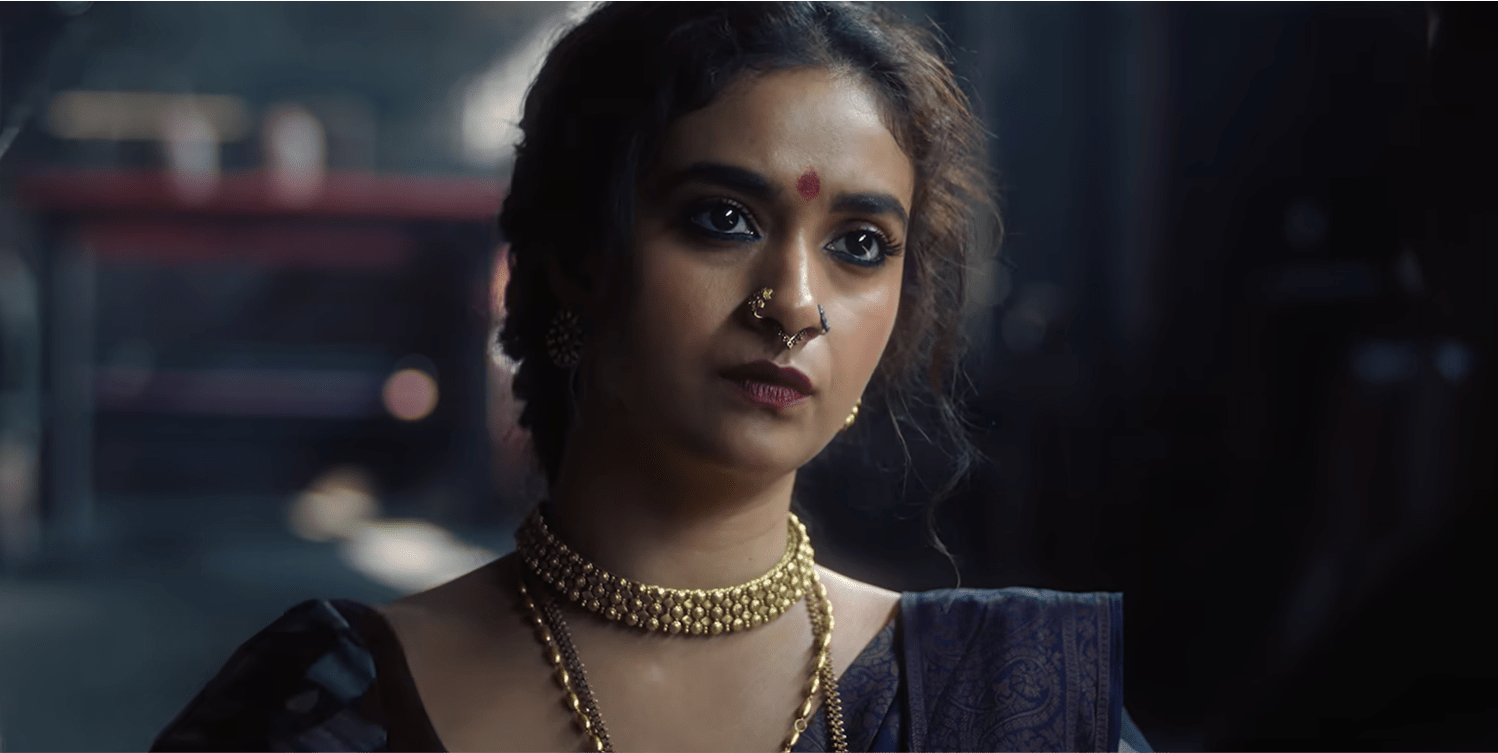
Written and directed by Dharmaraj Shetty, Netflix’s ‘Akka’ is an Indian action–thriller series that tells the story of an imagined matriarchal society named Pernuru that has managed to thrive for centuries despite enemies challenging its position from all fronts. In the post-independence era of the 80s, however, the kingdom’s ruling triad faces a new kind of opposition: gangsters. When a ruthless rebel named Rudra arrives in the town with a vendetta against Pernuru’s leadership, it doesn’t take long for this iron-clad kingdom to reveal its cracks and begin destabilizing. Ultimately, Bhavani, an emerging leader, has to step up and take this challenge head-on, while also learning more about the roots of this unique civilization and what lies ahead. SPOILERS AHEAD.
Akka Plot Recap
‘Akka’ begins by imagining an alternate history of India in which the small kingdom of Pernuru faces a unique predicament. After several men from the kingdom perish in a war, the women, led by a trio of sisters, begin wielding power, slowly adjusting to this new way of life and ultimately creating a successful matriarchal society. Since then, the tradition of three sisters ruling over three parts of Pernuru: Marmela, Perplady and Herkada, has continued for several dynasties, enduring the British Raj and the creation of modern India. In the 1980s, however, the rise of the mafia in Mumbai means that Pernuru’s integrity is under threat. Bhavani, the current leader, or Akka of Marmela, primarily earns her wealth through a legal alcohol tender, but conflict with her cousin brother, Amar, becomes grounds for something much bigger.

Shankar Dada, the leader of the Mumbai mafia, tasks his trusted assassin, Rudra, with taking over Pernuru, with some help from Amar. Her strategy turns out to be simple but particularly ruthless: turn the forces from the inside against each other. Like Amar, many of the men in Pernuru, especially those near the sisterhood, feel constantly emasculated and power-hungry, which allows Rudra to turn them into allies. Using these connections, she disrupts Bhavani’s trade networks and replaces them with cheaper and more dangerous products, allowing the blame to fall on Bhavani, who is arrested. Then, after distracting the royal guards, Rudra has Bhavani’s mother assassinated, officially declaring war on the sisterhood of Pernuru and their authority over the lands.
As it turns out, Rudra’s hostility towards Bhavani and everything she represents doesn’t come out of nowhere. A series of flashbacks reveal that she is actually Bhavani’s cousin, whose mother was a poor, tribal woman. Given that Pernuru culture opposes marriage, Bhavani’s uncle wasn’t allowed to marry his partner and proceeded to take his own life. Not long after that, Rudra’s mother had to escape the kingdom with her entire tribe, the Jherum, who were cast out of society as punishment. Hearing about this, along with other ruthless acts by past Akkas, forces Bhavani to reevaluate her own history. However, it doesn’t take Rudra long to launch another offensive, and this time she’s successful in assassinating most of the major leaders, allowing the men to take over and threaten Bhavani’s rule over the land.
Akka Ending: Does Bhavani Get Her Kingdom Back? Is Rudra Dead?
‘Akka’ ends with Bhavani defeating Rudra and consolidating the kingdom of Pernuru, this time for good. Though everything before the end convincingly makes it feel as if the three sisters’ reign has come to an end, Bhavani finds an ally in the unlikeliest of places, dug out of the darkest chapters of the kingdom. Decades ago, when Bhavani’s mother held the reins, the Kathava tribe of warrior women was famed for their service to the Akka. However, following the sisters’ attempt to suppress the Kathava’s indigenous deities and cultures, the tribe revolted and was stripped of its position and pushed to the peripheries. While this nearly made their lives hell, the generations that survived became all the more powerful and adept at asymmetric warfare, which just so happens to be exactly the thing Bhavani needs.
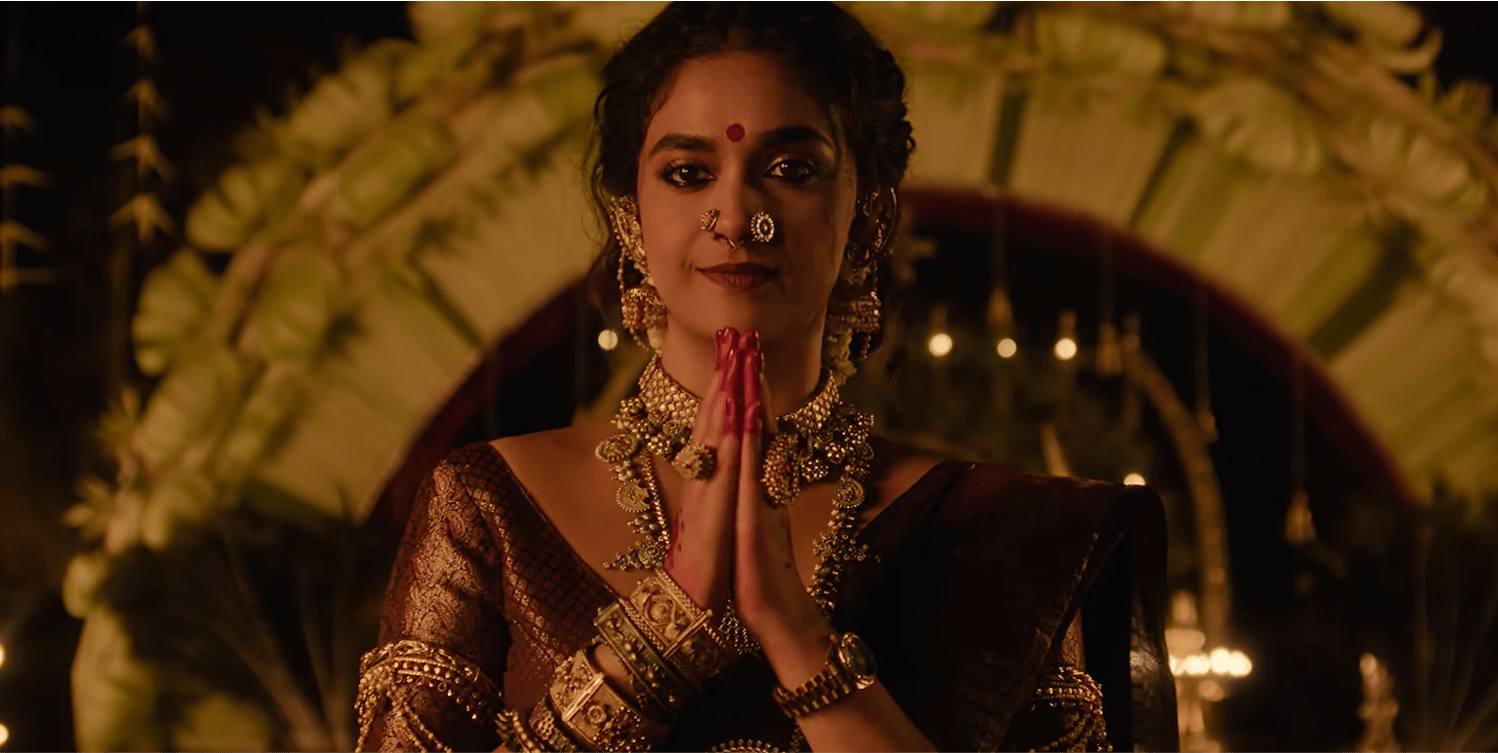
With her royal coffers sacked, her armed forces depleted, and her loved ones killed, Bhavani is left weaker and more alone by the end of Rudra’s campaign. However, it is precisely this vulnerability that allows her to be sincere with the Kathava, whose dignity she promises to restore once the tides have turned. The tribe’s entry into the fight completely changes everything, as what follows is a ruthless, largely one-sided massacre that culminates in Bhavani’s victory. In essence, she learns from Rudra’s own tactics of channeling the strength of the oppressed. While it’s true that the revolutionary spirit is suppressed under a monarchical hand, Bhavani has learned enough from her history to recognize where the fault lines are, and how to deal with them.
Rudra, cornered and having run out of options, ultimately decides to take her own life with a cyanide pill, much like how she killed a person in the scene of her introduction. There is a certain tragedy to this full-circle moment, however, as it hammers home Rudra’s lifelong maxim of responding to a grim, corrupt world with even more darkness. Having been shunned at every point in her life, especially by the three sisters of Pernuru, Rudra started simply fighting for her dignity, but somewhere along the way she began furthering the very system that hurt her. In the end, only Bhavani recognizes the problem with this cycle of violence and makes an earnest effort to step out of it. Still, it is not without an acknowledgment of her privilege to judge things from a distance, something Rudra never had, all the way to her death.
Is Shankar Bhavani’s Father? Will He Return to Pernuru?
The biggest revelation of the show thus far actually comes in the mid-credits scene, where Shankar is re-introduced into the fold as an antagonist. While his initial plan of deploying Rudra wasn’t exactly a success, it didn’t go bust either. Rudra still managed to completely hollow out the three sisters’ centuries-old reign over Pernuru, and no matter how quickly Bhavani recovers, there’s bound to be small pockets of power vacuum that Shankar can now fill up. That’s not all there is to the tale, though, as it’s eventually revealed to the audience that he is Bhavani’s father and is gearing up to return to town and stake his claim. This single piece of information completely recontextualizes everything we’ve known about the story and raises several new questions.
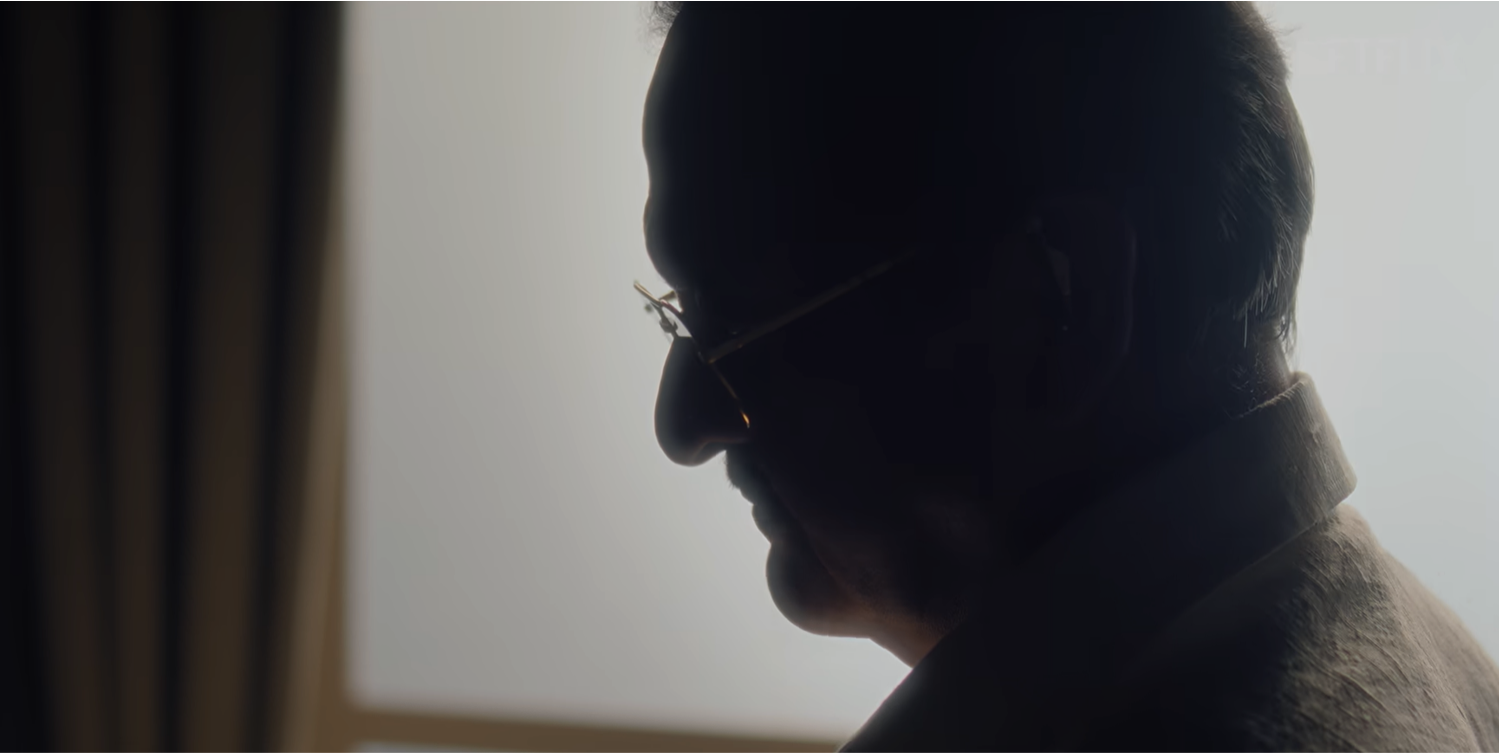
Based on the way Shankar reveals his connection to Bhavani, it appears that she doesn’t know that he’s her father. That also makes sense given the culture surrounding paternity in Pernuru, where it’s conventional for women to not marry or maintain a monogamous relationship. At the same time, the fact that Pernuru isn’t a patriarchal society also means that Shankar doesn’t technically have a claim to the throne. However, given how little we know about his past with the kingdom, and why he left it behind, his next move in the game can be hard to gauge. We already know that he was willing to let Rudra kill Bhavani if it meant taking over Pernuru, which all but establishes that this will not be a typical familial conflict, but a battle to the death.
Why Does Bhavani Kill Nanda?
In one of the more tragic scenes of the series, Bhavani kills Nanda for his betrayal during the patriarchal revolt. There is more to this than just his sociopolitical alignment, as what really crushes Bhavani is that Nanda betrayed her feelings. Nanda, too, feels something similar on his side, as he considers Bhavani’s adherence to outdated customs and her refusal to marry him to be limiting the future of their relationship. The result of this mess is their brief but powerful rivalry, which ends with Bhavani finding Nanda by the seashore, the same spot they frequented when they were together. The reality, now, however, seems to have changed completely, and Bhavani seals that truth by killing the man she truly loved.
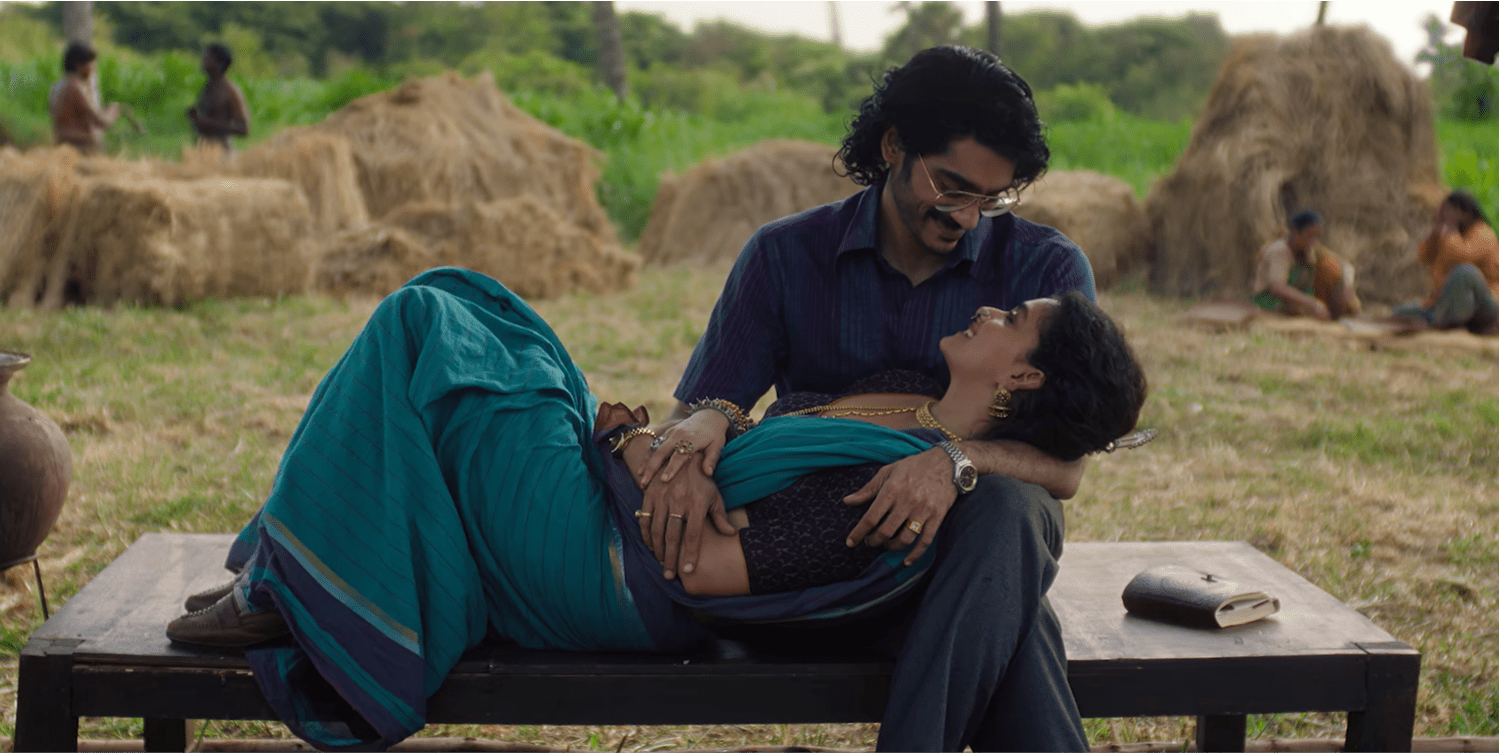
While it is apparent that pulling the trigger on Nanda crushes Bhavani’s heart, she has another reason for doing so. As the renewed leader of Pernuru, she cannot show a moment of weakness, especially when one of the enemies is her former ally. Taking Nanda’s life sends a message to others about how ruthless she can be in protecting her sovereignty, serving as a useful deterrent. At the same time, though, that action has a direct impact on her psyche, as the last bits of warmth and color seem to have drained from her life altogether. All that is left is a shell of her former self, driven forward purely by a sense of vengeance and a will to keep the kingdom alive.
What Happens to the Kathava and the Jherum?
Although Bhavani ultimately defeats Rudra, the sheer loss of life makes it a pyrrhic triumph. With her entire sisterhood all but erased, Bhavani has no choice but to create a new system of governance from scratch, and the conclusions she comes to prove to be truly progressive. Instead of holding on to power with her wealthy, socially privileged class, she announces that the leaders of the Kathava and Jherum tribes will receive an equal share in power and governance, thus creating a horizontal federalism that is a step closer to uplifting the oppressed sections of Pernuru. This is, of course, only made possible because of Rudra, whose violent actions, while unjustifiable, also mobilized thousands of tribals to raise their voice against systemic oppression.
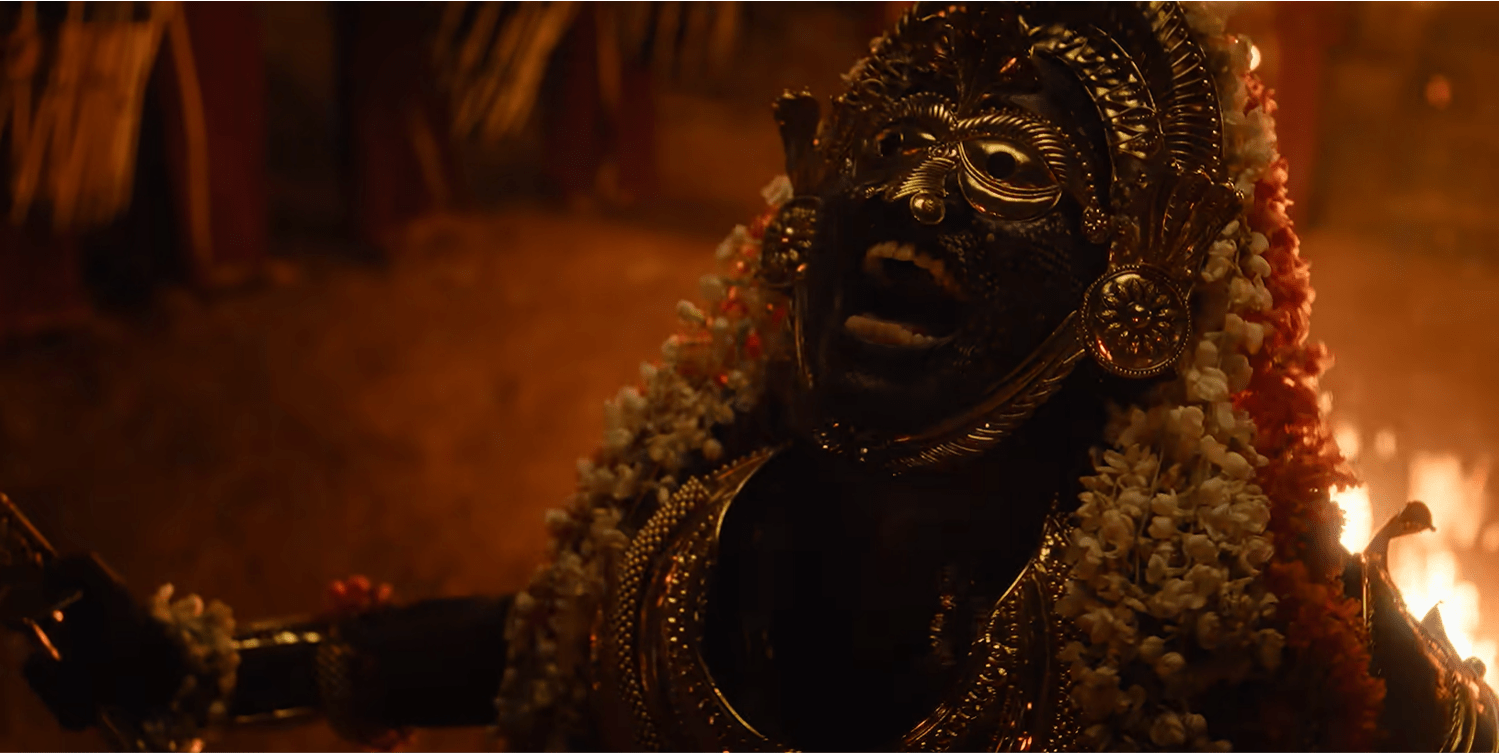
Even before Bhavani makes the announcement, we can already see that her conventional ideas about what rules should govern society are beginning to crack. Till now, only a mother could become an Akka, but Bhavani refuses to abide by this all the way to the end. As such, this is likely just the start of a long process opening everyone’s minds towards progressive values that put an end to social boundaries and tools of oppression. While she may have declared the Jherum and the Kathava as the lords of the Perplady and Herkada regions, respectively, that doesn’t mean that the people of different sects will readily overcome these rigid discriminatory practices. As such, both Bhavani and Pernuru alike have a long way to go.
Read More: Is Gajab Raat a True Story? Is Ajay Nirvit Based on a Real Police Officer?

