
 Abhiroop Das
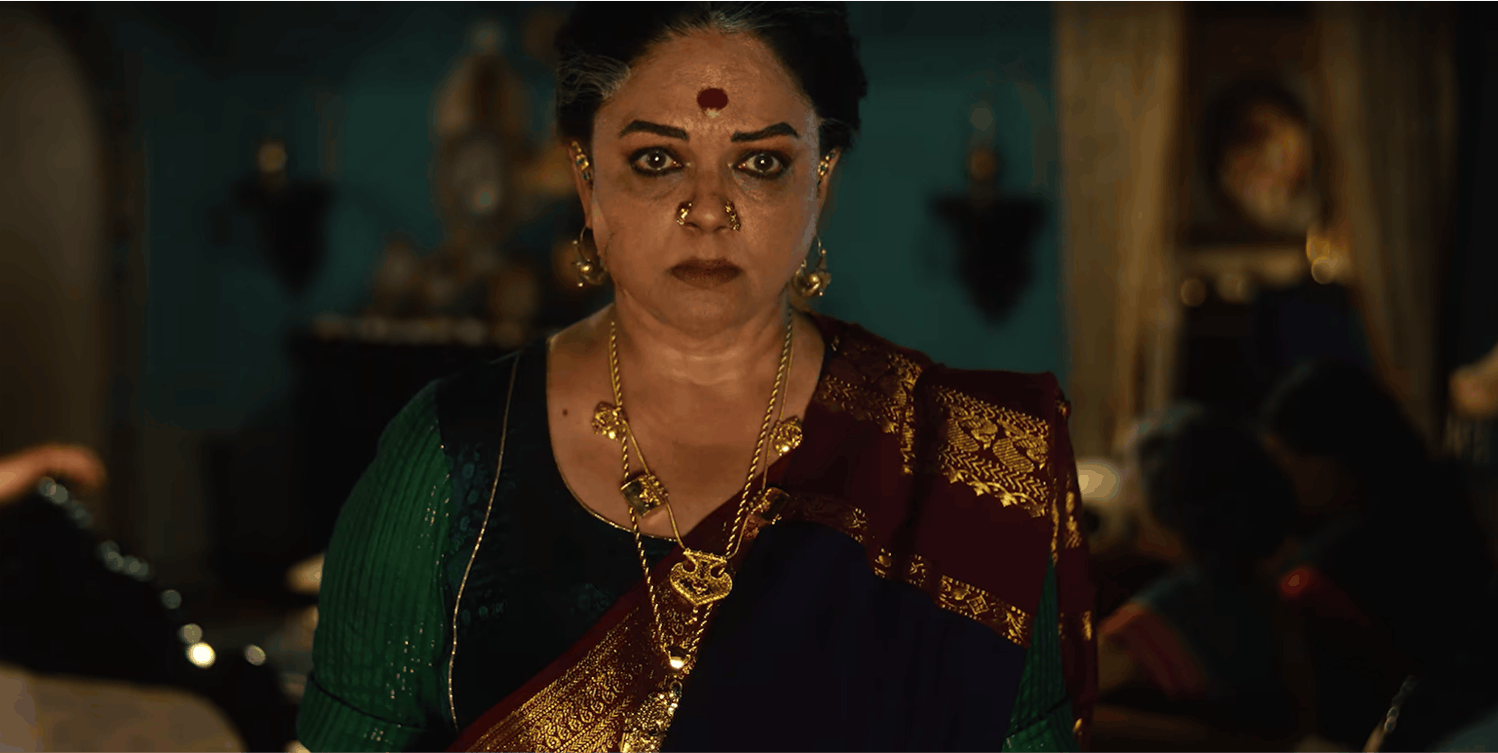
Netflix crime drama ‘Akka’ is set in Pernuru, a South Indian kingdom where a sisterhood of women has held power for more than eight centuries. Written and directed by Dharmaraj Shetty, the narrative states that Pernuru was once a regular kingdom under patriarchal rule, but frequent wars and the migration of men left a power vacuum that the women of the kingdom eventually filled. With its own customs and dynastic traditions, the kingdom occupied, and continues to occupy, an unusual place within the larger folds of civilization, especially after India’s independence.
However, the rise of the mafia along the country’s southern coastline and the arrival of a new challenger threaten Pernuru’s social integrity, prompting the sisterhood to step up and reassert their claim to the kingdom’s throne. With this much of the kingdom’s history, lore, and cultural splendor on display, fans are naturally curious as to whether this is a real place that can be pinpointed on the modern-day map.
Pernuru is a Fictional Matriarchal Kingdom Inspired by Real-Life South Indian Societies
Pernuru, the kingdom around which the entire tale of ‘Akka’ is set, is a fictional setting created by Dharmaraj Shetty and his writing team. While there exist real places named Peruru, without the “n,” including a village in Andhra Pradesh and a hamlet in Kodagu, Karnataka, Pernuru’s conception as a matriarchal kingdom with a matrilineal community is entirely novel. This lines up with the larger idea surrounding the story, as it is imagining an alternate history of sorts, where a small kingdom in India creates its own social structures, eventually becoming a princely state during the British Raj, and later, a uniquely recognized territory in independent India.
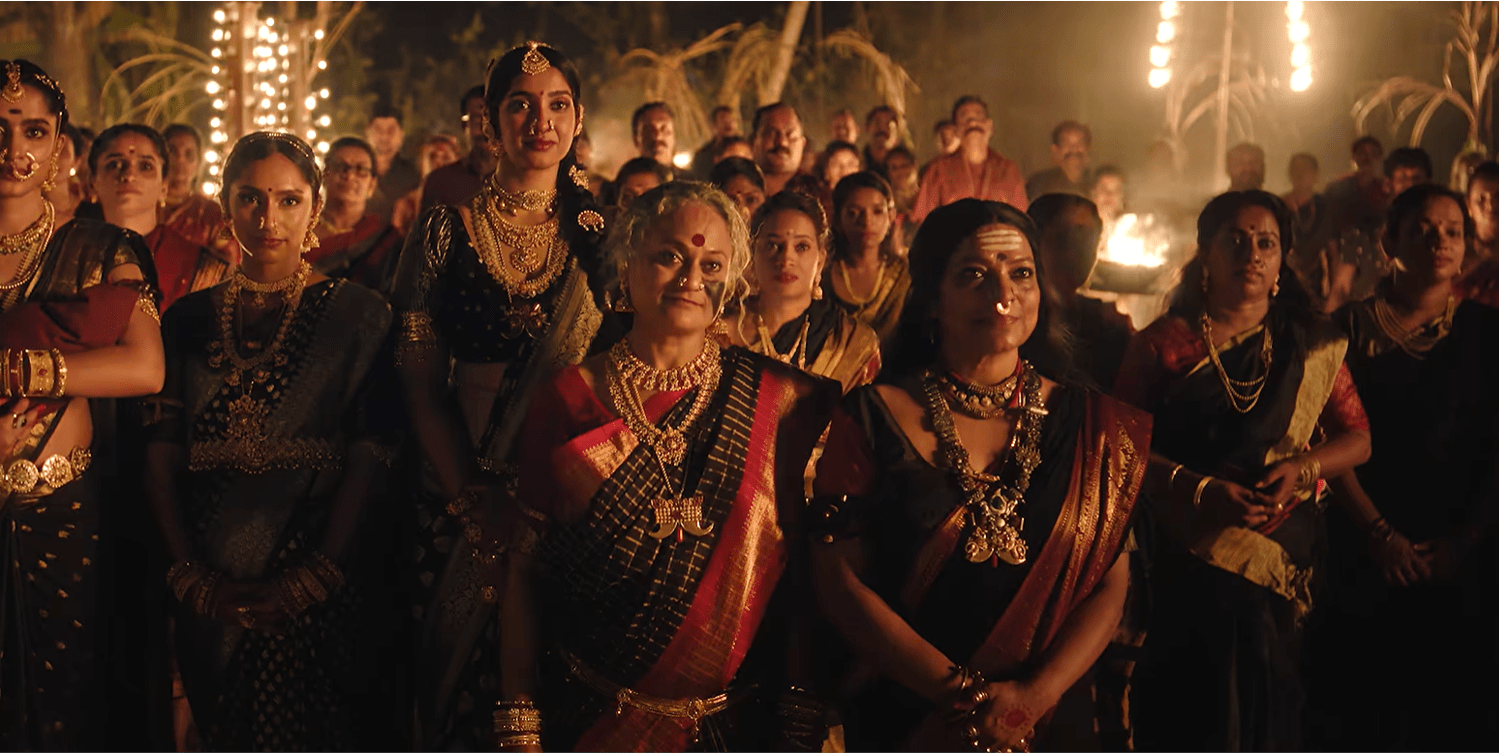
In an interview with the Free Press Journal, Shetty said his research introduced him to a South Indian community whose customs included “lineage passing through women” and keeping family property undivided. It is possible that he was referring to the system of marumakkathayam in Kerala, most notably observed by the Nairs and various other communities. In this matrilineal kinship system, descent and inheritance were historically recorded as passing through the maternal line, but, notably, the senior male, also known as karanavar, commonly administered the estate. A lot of research has been conducted on the marumakkathayam system and its long-term impact on communities, making it probable that Shetty and his team referenced it for their own world.
Pernuru’s Warrior Community Draws Parallels to a Former African Kingdom
Historian Mahmood Kooria’s research into the subject helped identify various matrilineal practices in southern India between roughly 800 and 1800 CE, across Hindu, Jain, Buddhist, Muslim, Jewish and Christian communities. Matrilineal practices also historically existed among sections of Malabar’s Mappila Muslims, as well as among Khasi, Jaintia, and Garo communities, with some traditions even being continued to this day. All of them fall short of being a perfect comparison to Pernuru, however, in that there is little to no historical evidence of these real-life societies being matriarchal in nature, to the extent that political, economic, and military power was dominated by women.
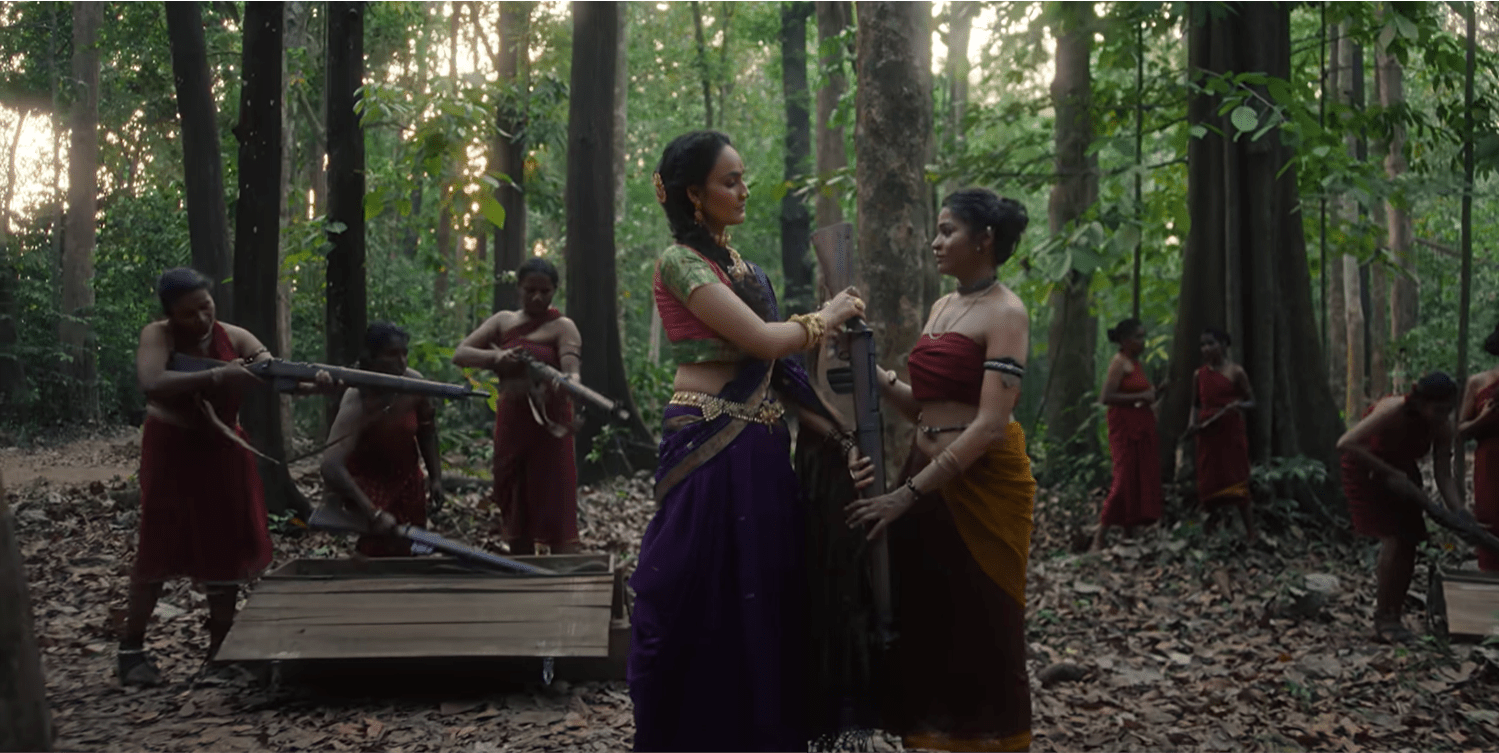
While it’s possible that the kingdom of Pernuru is conceptualized as a composite of many matrilineal practices across the Indian subcontinent, its distinct focus on women-led power institutions has been invented from scratch and gives the story a very unique touch. Outside of India, we find a potential parallel in the Kingdom of Dahomey in West Africa, which during the 18th century boasted strong political representation of women. They were also famous for the elite female military corps known as the Ahosi or Mino, which is recorded to have numbered in the thousands at one point. However, it should be noted that Dahomey had a male monarch, and thus, wasn’t a matriarchal kingdom.
The Concept Behind Pernuru is Reminiscent of a Pre-Independence Fictional Story
Perhaps a closer representation of Pernuru can be found in fiction, starting with the feminist utopian work by Rokeya Sakhawat Hossain, titled ‘Sultana’s Dream.’ Published in 1905, the story centers around an imaginary world where women developed a society of their own while the men were busy warring with each other. This kingdom, known as Ladyland, is depicted as a temple of knowledge and scientific innovation, where women successfully take charge of everything, and men are pushed to the social peripheries.
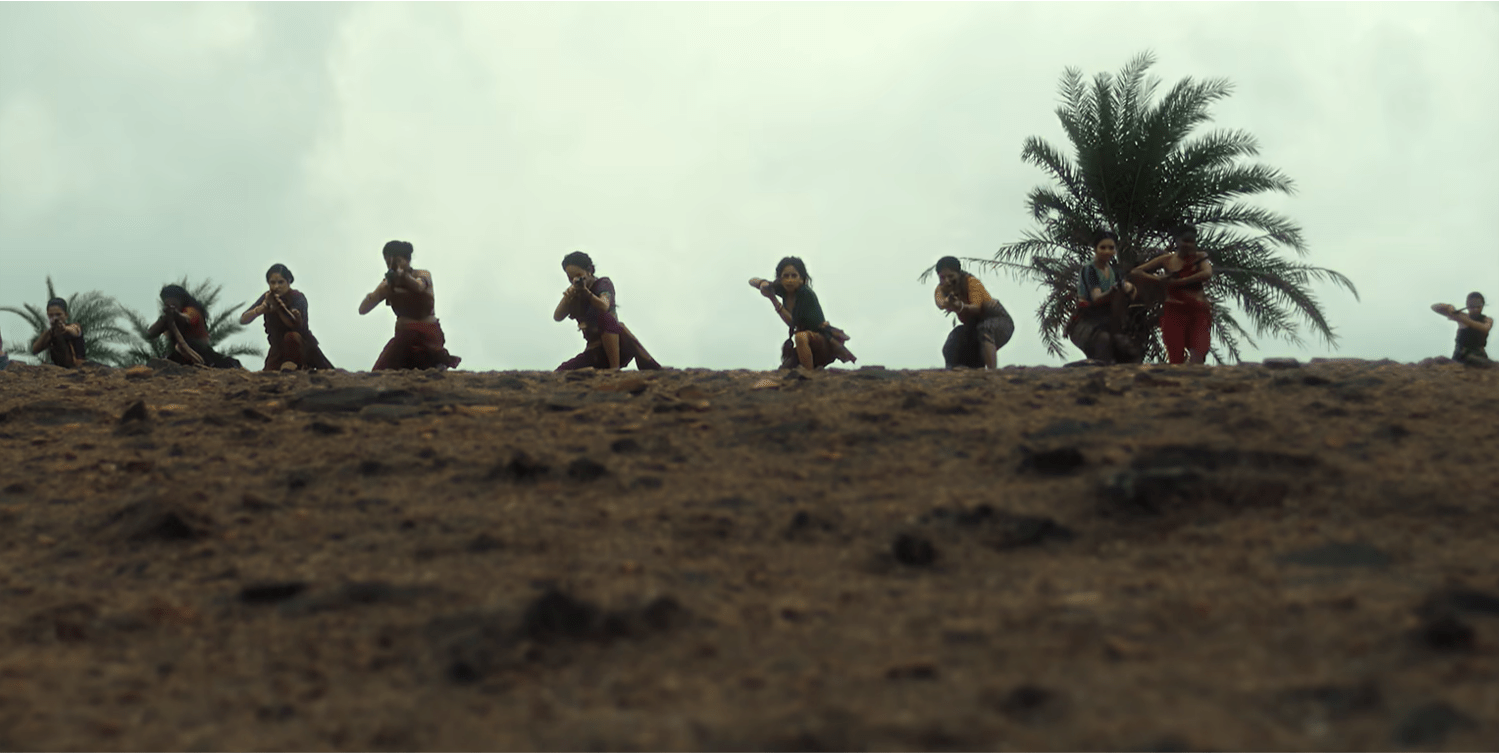
This isn’t unlike the depiction of Pernuru in ‘Akka,’ and similar fictional societies can be found in writings all over the world, be it the island of Themyscira in ‘Wonder Woman’ or the community of Mattapoisett in ‘Woman on the Edge of Time.’ Thus, Dharmaraj Shetty appears to have taken this mold to craft a richly rendered world within the Indian historical context, and the result is the kingdom of Pernuru, complete with its own culture, systems of kinship, and history of social organization.
Read More: Is Gajab Raat a True Story? Is Ajay Nirvit Based on a Real Police Officer?

