
 Abhiroop Das
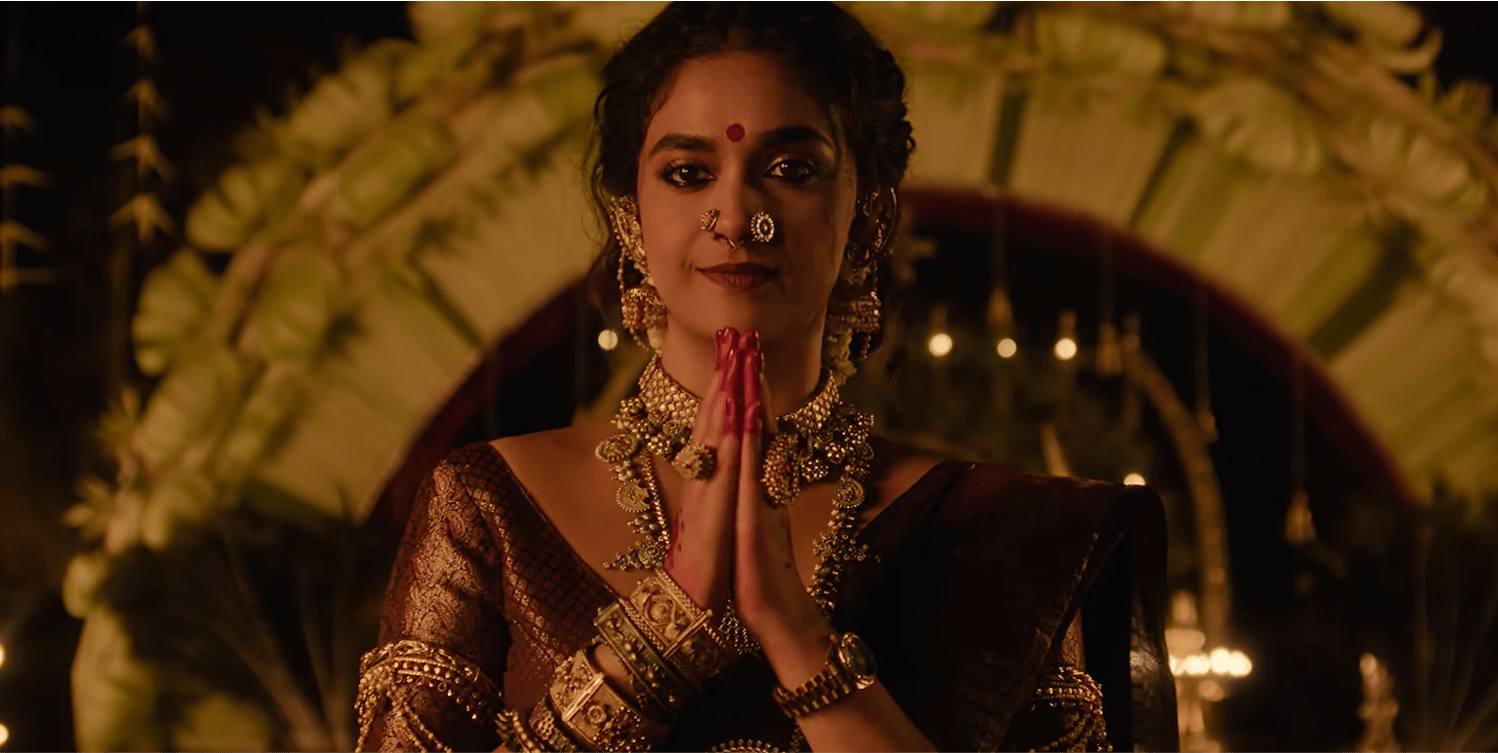
Netflix’s ‘Akka’ sets itself apart from its peers within the historical gangster genre by introducing us to a novel world, where the kingdom of Pernuru is run not by patriarchal forces, but by women. A triad of sisters has ruled the lands across several generations for more than eight centuries, but in the present, something appears to threaten their iron grip. With the rise of the mafia along the southern coastline, Pernuru has to constantly ward off outsider threats, but when Rudra, a lone woman, makes herself known as their newest challenger, everything begins to change. Through its depiction of this unique and empowering form of social existence, the show, written and directed by Dharmaraj Shetty, inspires many questions about what such a community might look like, and whether it is really a part of India’s history.
Akka’s Matriarchal Society is Fictional But Loosely Informed by Reality
While ‘Akka’ presents us with the enchanting history, lore, and sociocultural makeup of the kingdom of Pernuru and its inhabitants, the story itself is ultimately a fictional construct. Conceptualized and brought to the screen by Dharmaraj Shetty and his writing team, the show started out as a fresh, ingenious spin on the gangster genre. While working on a separate gangster-themed project, Shetty’s research took him down a rabbit hole of matriarchal kingdoms and communities in southern India. Sometimes, these communities were matrilineal, where kinship and inheritance are traced through the mother’s side of the family.
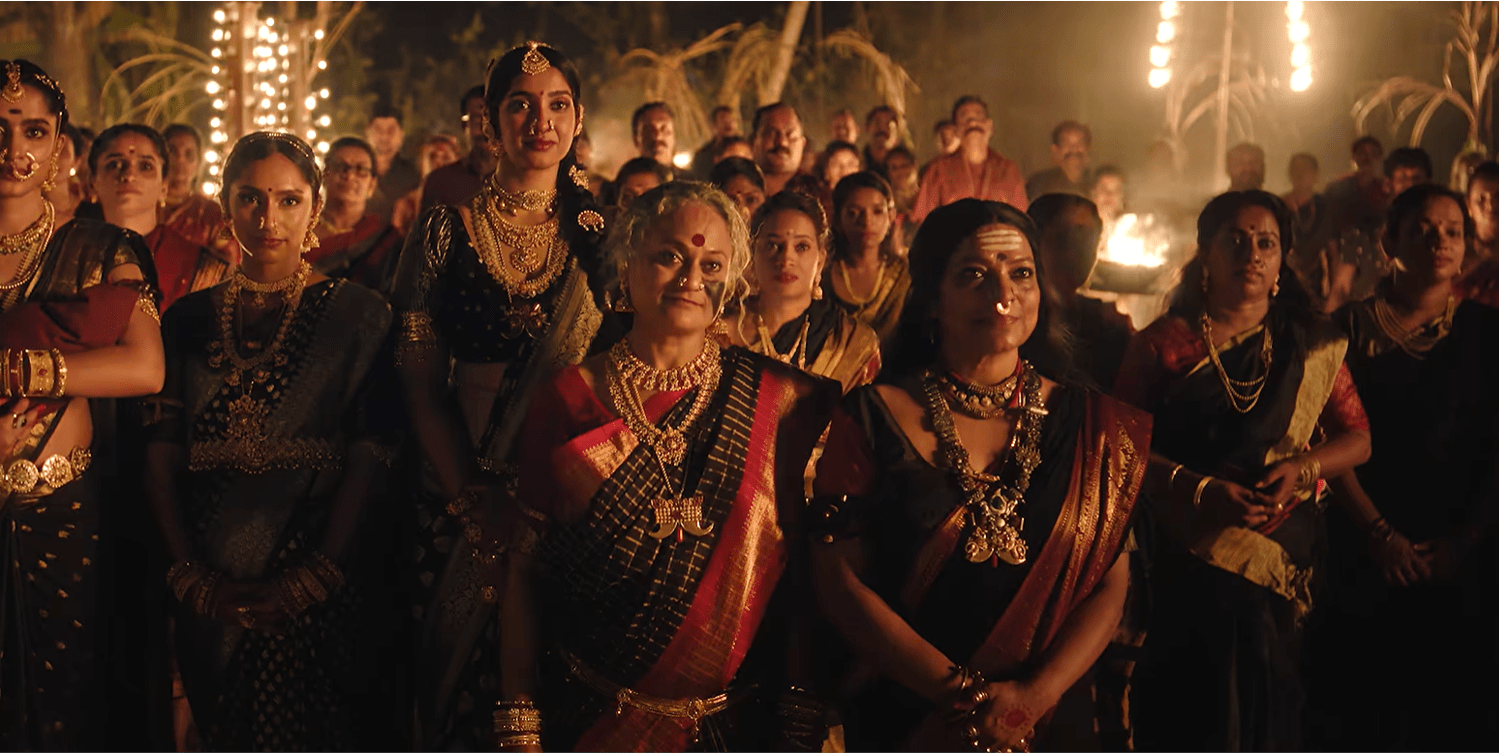
Shetty explained to the Free Press Journal that during his research he came across a community with rules and customs such as “no marriage and lineage passing through women and not splitting the family property or house.” While Shetty didn’t provide the names of any particular community of this kind, it’s clear that the kingdom of Pernuru and the sisterhood that reigns over it are dramatized composites of such societies. Constructing not just this elaborate, fictional world, but also its means of social reproduction and governance, was likely quite the challenge for the creative team, and the result speaks for itself.
The Writers Drew Inspiration From the Matrilineal Communities of South India
While ‘Akka’ ultimately draws from the writers’ imagination, a lot of research has been done into the history of matriarchal and matrilineal societies in the Indian Subcontinent. Some of the earliest examples of matronymics, that is, the usage of names derived from a mother or female ancestor, can be traced back to the Satavahanas, who ruled much of the Deccan from the last centuries BCE into the early centuries CE. However, modern accounts note that the succession among the Satavahanas was most likely still patrilineal. Instead, a stronger parallel can be drawn to the matrilineal family system known as Marumakkathayam, which has a noted historical presence in the southern parts of the Indian Subcontinent.
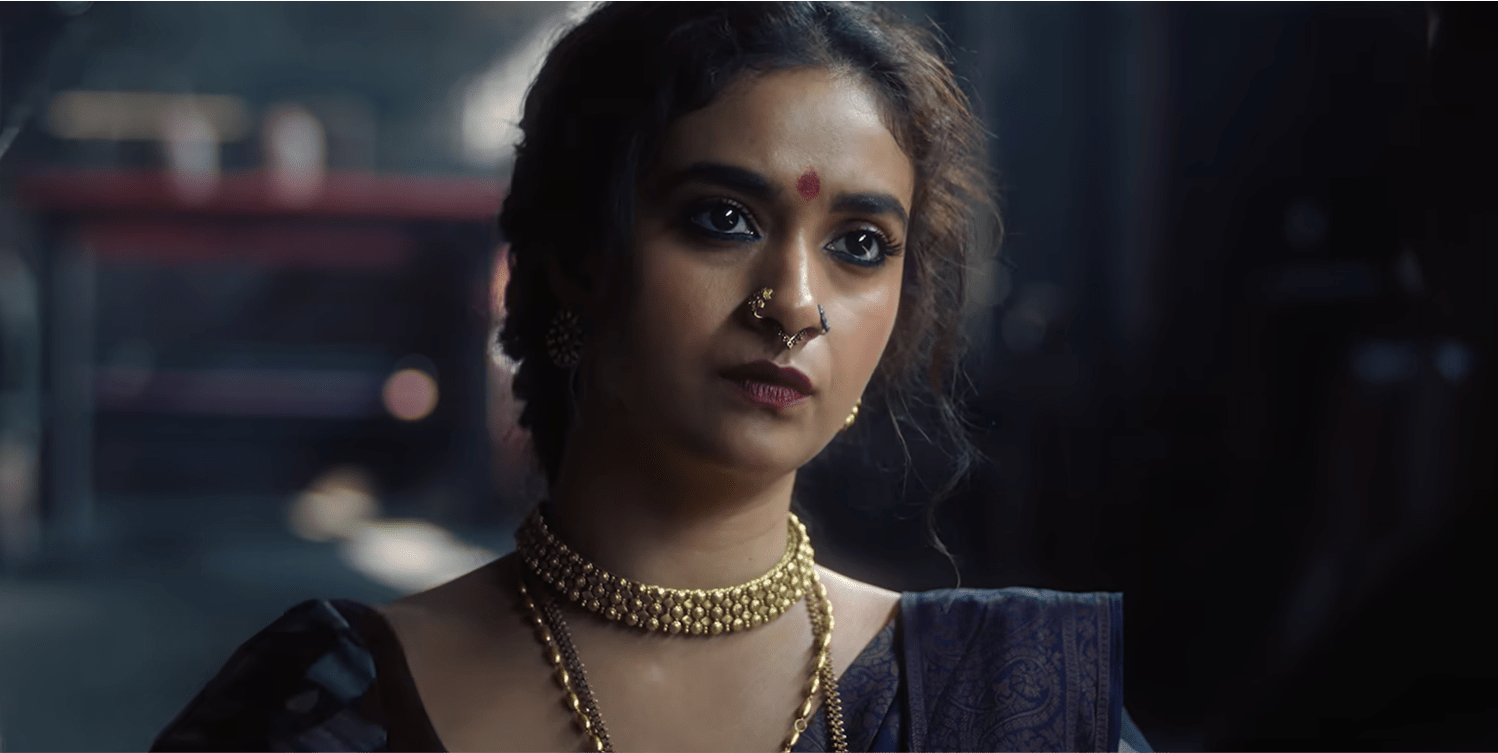
Documented among Nairs and other communities in Kerala, Marumakkathayam traced descent and inheritance through women, with daughters and their children remaining part of the maternal household. As per records, family property could be held jointly within the tharavadu, or the extended kinship networks, though that didn’t necessarily mean that social and political power rested primarily in the hands of women. Along the southwest coast, Bunts, Billavas and some Jain groups followed aliyasantana, tracing descent through women and holding family property collectively, as per colonial-era research. Matriliny was also documented among some Mappila Muslims in Malabar and communities in Lakshadweep.
Akka is a Fine Blend of Historical and Pop Cultural Research
In the modern day, matrilineal systems still exist among the Khasi in Meghalaya, with descent passing through the mother and ancestral property traditionally going to the youngest daughter. That said, it should be noted that none of these societies were recorded to have a strong matriarchal presence. Historical data show no kingdom or community that practiced matriarchy to the extent depicted in the show, making this a markedly fictional invention. However, what still breathes a strong sense of realism into this narrative is the attention paid to world-building, including a careful reimagining of how sex, gender, class, and caste-based oppression might look in this altered scenario.

The story also adapts an intense sense of realism when depicting India beyond the borders of Pernuru. Given that the show is set in the 1980s, the archetype of Indian mafia and gangsters, popularized across fiction, is also present here. ‘Akka’ also draws cultural references from Bollywood, with Radhika Apte noting that her character Rudra’s look is inspired by the on-screen fashion of legendary actor Zeenat Aman. Thus, Dharmaraj Shetty and his writing team strike a unique balance between researching pop culture and studying the lived realities of people from that time period, resulting in a work of art that is as imaginative as it is grounded.
Read More: Is Gajab Raat a True Story? Is Ajay Nirvit Based on a Real Police Officer?

