
 Abhiroop Das
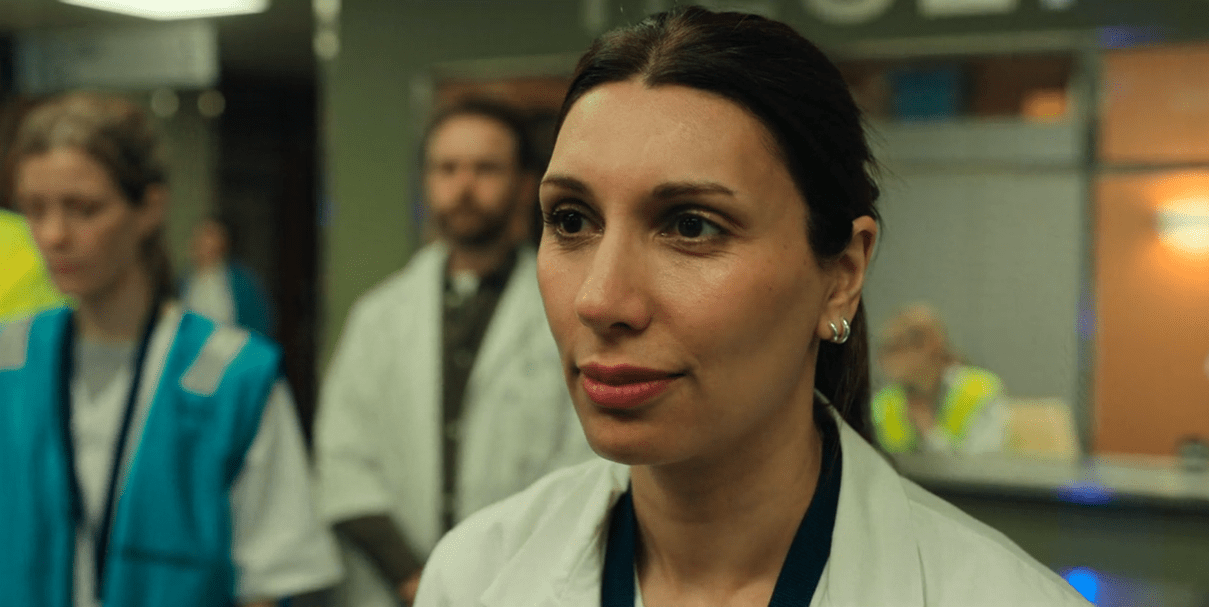
Created by Harald Rosenløw-Eeg and Jan Trygve Røyneland, Netflix’s ‘Always on Call,’ also known as ‘Legevakta,’ begins with Sofia Karimi, a surgeon who doesn’t hesitate to save a man’s life even if it means breaking protocol. Her reckless behavior, however, leads to her suspension from the National Hospital and a hunt for a temporary job. So, when Stig, the director of an urgent care clinic and her friend, offers her a job, she reluctantly accepts. What begins is a chaotic, tangled journey in which Karimi’s presumptions about the hierarchies in the medical world and the usual perception of frontline care are challenged every second. As the Norwegian medical drama delves into each character’s life and struggles, we encounter multiple dilemmas, be they personal or professional, and their resolution hardly comes easily. SPOILERS AHEAD.
Always on Call Plot Recap
‘Always on Call’ begins with Dr. Sofia Karimi, a star surgeon, partying at a club with a fellow doctor when a man falls unconscious. Realizing that he urgently needs surgery, she begins the procedure as soon as the EMTs arrive, before joining them on the ambulance headed to an emergency clinic. There, she decides to do the surgery herself, not even allowing the chief physician, Anders, to join in. While she is able to save the man’s life, news of Sofia’s intervention goes viral, in no small part due to a video of her drinking and partying moments before she helps the man, leaked by none other than her doctor friend. Thus, Karimi gets suspended from the National Hospital mere days before being promoted to a leadership position.

Determined to fight the higher-ups’ decision before the board, she decides to find work elsewhere in the meantime. However, the only place that seems ready to hire her is none other than the emergency clinic itself, which seems to be going through a staff shortage. With the head of the clinic, Stig Solvang, constantly coming under fire for not bringing in and discharging patients fast enough, he decides to put his faith in Karimi. However, the initial days prove hard for everyone, particularly since Karimi isn’t used to juggling so many patients for such long periods. Things get even trickier when she comes across patients who challenge her emotionally, such as an old man who refuses surgery and wishes to die in the hospital.
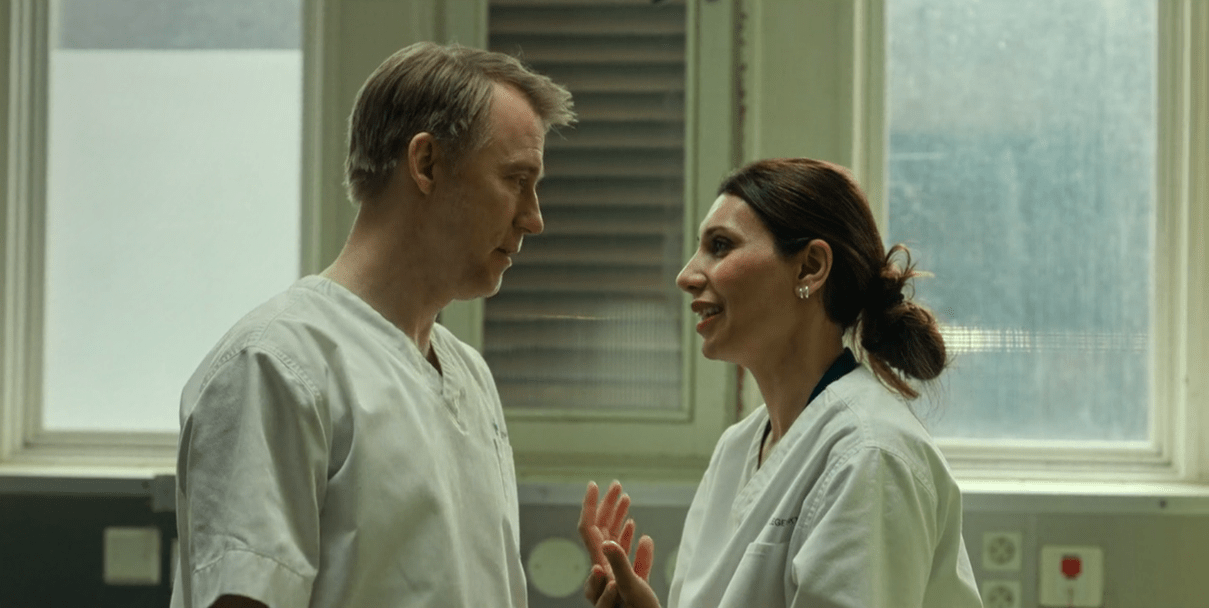
As time passes, Karimi slowly begins to get the hang of the clinic and its staff, and they soon become friends. She also grows closer to the head surgeon, Anders, learning more about his traumatic past in the process. At the same time, we are also introduced to the shift manager Renate, who is in a relationship with the clinic’s therapist, Haakon Aunlie, and seems to be trying for a baby. The head paramedic, Øystein, is in a relationship with one of the doctors, Mathilde, though her hesitation to tell her parents causes discord. As we become familiar with this crew, Karimi wins the board’s support and is offered her old job back, just as the clinic and Stig’s leadership come under scrutiny, bringing things to an interesting juncture.
Always on Call Ending: Will Karimi Leave the Emergency Clinic?
‘Always on Call’ ends with Karimi making the decision to go back to her job at the National Hospital. After spending the entire season learning from this new lifestyle, Karimi ultimately finds herself at peace and ready to move forward. Still, her ambitions at the National Hospital were constantly curtailed by red tape and trouble from the higher-ups, leading one to speculate whether this is really the right choice. Anders expresses as much when he doubts her decision, citing her discomfort with the colleagues and work environment there. In contrast, her time at the clinic provides her with an atmosphere completely free of such hierarchy, and that, too, by design. In an institution designed solely to help those who need it the most urgently, Karimi finds her wings and soars, working out her own personal obstacles in the process.

Karimi’s obsession with becoming the perfect doctor deeply traces back to her trauma from her father’s death, seeing that she, at just14, tried to save him with CPR but failed. Though that sense of guilt is completely unfounded, it nonetheless weighs on her consciousness, narrowing her vision of medicine to saving lives no matter the cost. It isn’t until her work with the emergency clinic, however, that she undergoes a humanizing journey of her own. Where at her last job her role was largely that of a surgeon, here she has to take care of each patient from admission to discharge. This prompts her to truly understand the patient she is helping, and in the process, she comes to understand herself. Karimi’s own evolution as a doctor, however, does not mean the path forward will be smooth, as the bureaucracy at the National Hospital could remain a hurdle, perhaps to the point that Karimi might reconsider her decision.
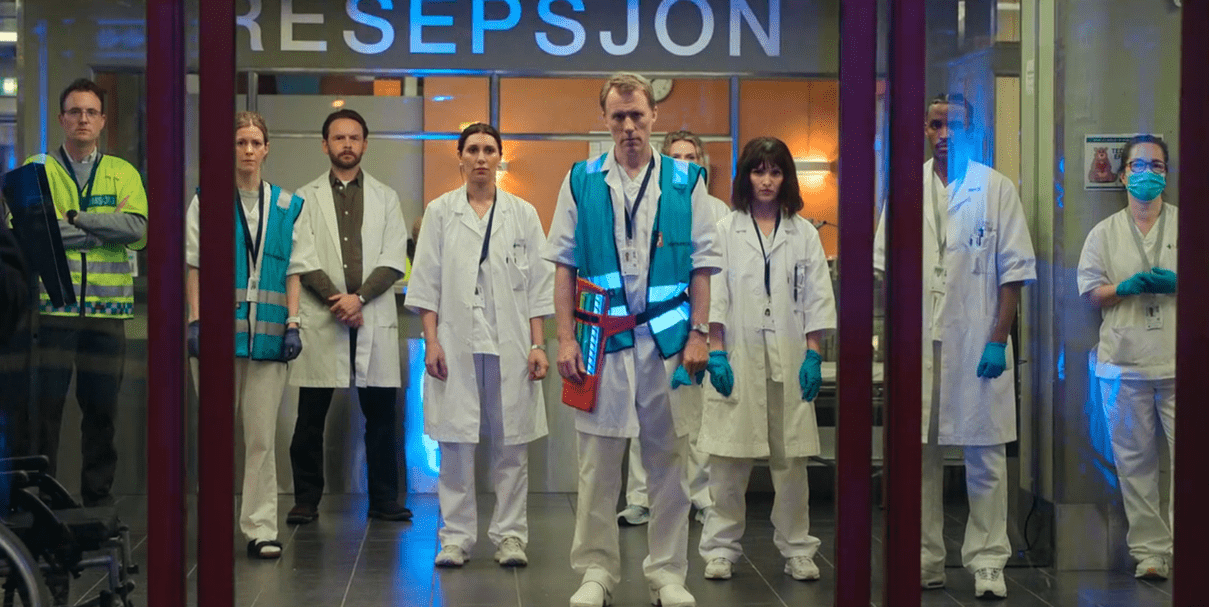
It’s not just Karimi who benefits from staying on; the clinic itself does as well. Seeing that they are almost always overwhelmed by the massive inflow of patients, having someone as skilled and competent as Karimi helps balance things out. Embracing her as a part of the team, however, means that the rest of the crew has to stand by her side as one. When the media launches a smear campaign on Karimi about the fact that she saved a patient’s life while being drunk, it is the clinic that becomes her support, because in such a tight-knit group, everyone eventually comes together like family. The fact that, in the final episode, Karimi is still on her last shift teases the possibility that she might yet continue in her position at the clinic.
Does Stig Resign?
Much like Karimi, Stig Solvang faces a dilemma when presented with the cruel choice between resigning and being fired. Ultimately, however, he chooses to fight for the clinic despite Bjørn Lysing’s innumerable attempts to whittle him down. Though Stig appears to have given in to Lysing’s pressure by the time the TV interview starts, halfway through he makes the bold decision to speak about the shortcomings of the very system he was given while admitting his own faults. He goes on to emphasize his principle of treating patients not just as numbers but as people. These words mark the end of the show, leaving his future with the clinic ambiguous at best, since Lysing still holds the power to fire him.

Stig comes under pressure after altering the medical records concerning influencer Pernille’s discharge to protect Sofia. Although Pernille later withdraws her complaint, Lysing uses the alteration toward his own goal. While Karimi and Stig’s reasons for doing so were justified, the board understands that anything can be twisted by the media to paint the emergency clinic in a bad light. The real reason for this entire maneuver, however, is to remove Stig from power and introduce structural changes that may speed up the clinic but at the cost of lower-quality patient care. The fact that Stig ultimately chooses to stay and fight thus speaks not only to his own arc but also to the future of the clinic as a whole.

Stig’s decision becomes particularly relevant in the events that follow, as a building collapse at the center of Oslo means a very large number of patients are about to enter the clinic at once. While the ER is no stranger to a hectic schedule, such incidents are major enough that the clinic needs all hands on deck. With that, Karimi’s skills and Stig’s leadership become extremely useful, and if there is any moment to prove the clinic’s competence, it is this one. While we don’t know whether Stig is able to fight off the backlash from the influencer’s claims down the line, one thing we know for certain is that, for now, the clinic is in capable hands.
Will Renate Become a Mother? What Happens to Øystein and Mathilde?
Among the most turbulent arcs on the show is that of Renate, who constantly wrestles with the idea of becoming a mother. While her partner feels quite happy about the possibility, almost obsessively so, Renate finds herself stuck. Having recently been given a leadership position, she knows that becoming a mother will bring additional responsibilities and emotional priorities, something she doesn’t feel ready for. At the same time, a part of her also believes that refusing to be a mother might sour her relationship with Haakon, and it takes the entire season for this toxic mindset to go away. Just as she starts to see a path ahead, she learns that she is already 11 weeks pregnant, except there is another conundrum.
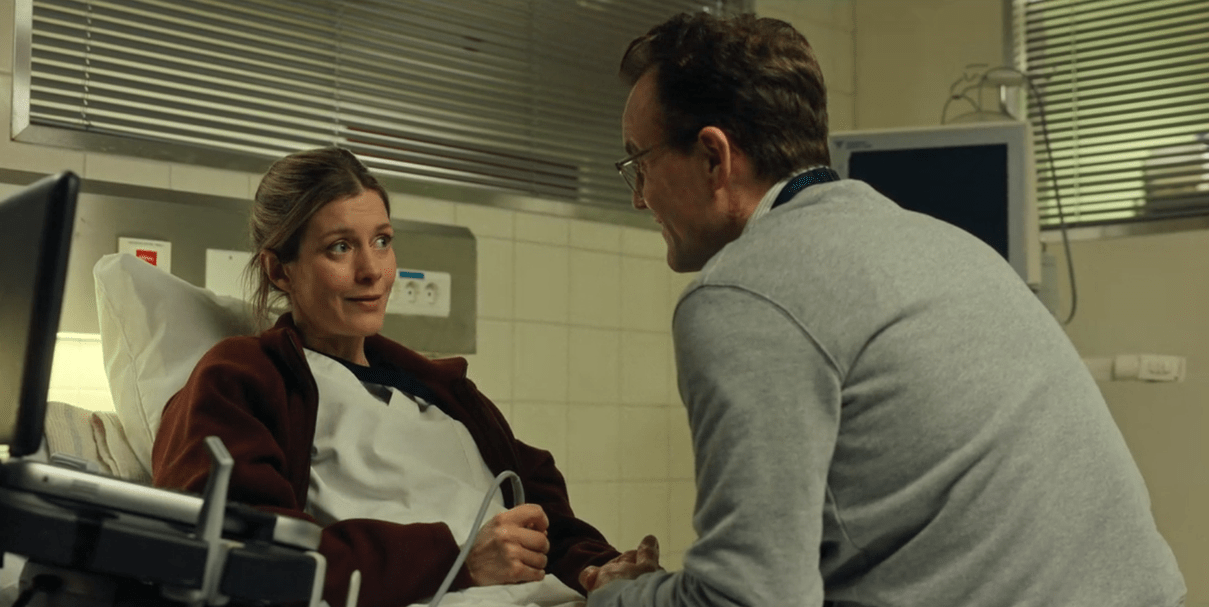
Upon learning of her pregnancy, Renate breaks the news to Haakon, and they excitedly head to an ultrasound. To their shock, however, the fetus appears to have no heartbeat, and its unresponsiveness suggests that this might be a miscarriage. This comes as a particularly dark twist in Renate and Haakon’s story, given how far they have come in their relationship and their commitment to becoming parents. While it’s hard to predict where their stories are headed from this point onwards, we might expect more ups and downs. Øystein and Mathilde, on the other hand, have the opposite conclusion to their journey this season, in that they finally decide to get married after years of a bumpy relationship. Thus, the show ends with a mixed bag of experiences for the ensemble, and the only thing that remains unchanged is their core sense of responsibility toward saving lives.
Read More: Is Always on Call Based on a True Story?

