
 Abhiroop Das
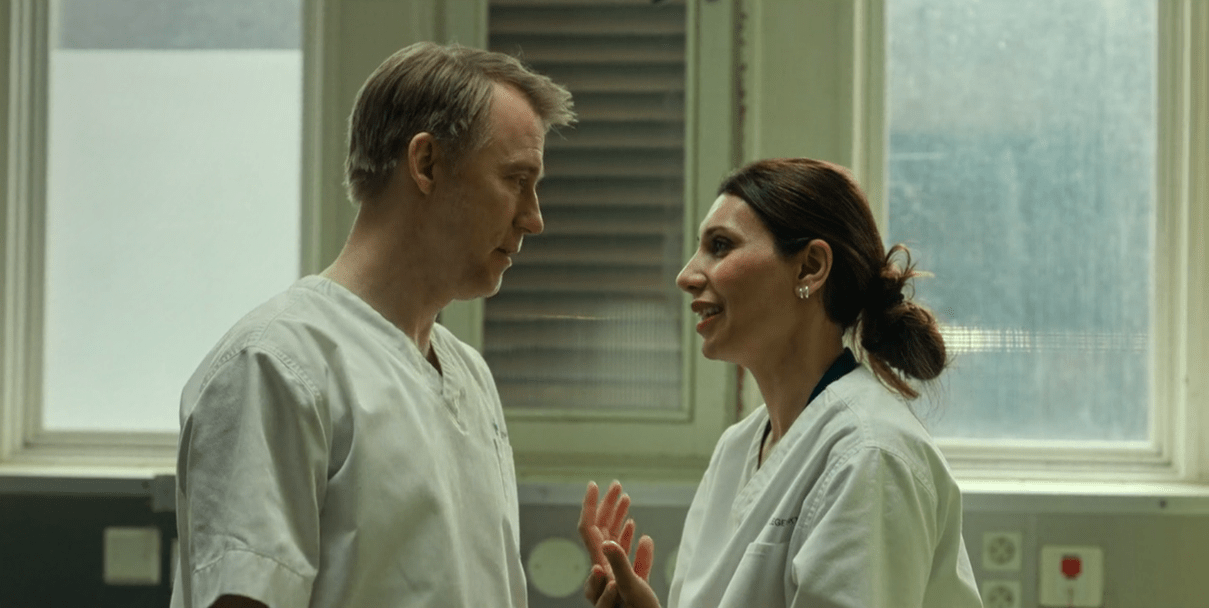
Created by Harald Rosenløw-Eeg and Jan Trygve Røyneland, Netflix’s ‘Always on Call,’ or ‘Legevakta’ in original Norwegian, is a medical drama that follows Dr. Sofia Karimi, whose career takes a nosedive one night when she takes extreme measures to save a man’s life. Soon, she is suspended from the National Hospital and relocated to a public ER. Though Sofia sees this as a setback and initially clashes with her new colleagues, bonds and understanding gradually emerge in small pockets, and a relationship between her and Dr. Anders begins to take shape. The commotion and disorder of the ER stamps every aspect of the story, seeping into the characters’ arcs as they navigate the ups and downs in their lives, making it an intensely realistic watch.
Always on Call is a Work of Fiction Inspired by a Historic Emergency Clinic in Oslo
‘Always on Call’ is a fictional story created by Harald Rosenløw-Eeg and Jan Trygve Røyneland, who were inspired by a real emergency healthcare institution in Oslo, Norway. This institution, located at Storgata 40, formerly served as a unique, specialized urgent care facility. While it is normal in several countries for emergency departments to be a part of an inpatient hospital, this facility, this clinic, named Oslo Legevakt, operated independently of a larger hospital, thus drawing the creators’ attention. Harald and Jan began work on this story in 2018, and it makes the best use of such a setting within a dramatic context. Running an urgent care clinic without a larger structure behind it comes with its own challenges, and the show uses fiction to illustrate these experiences.
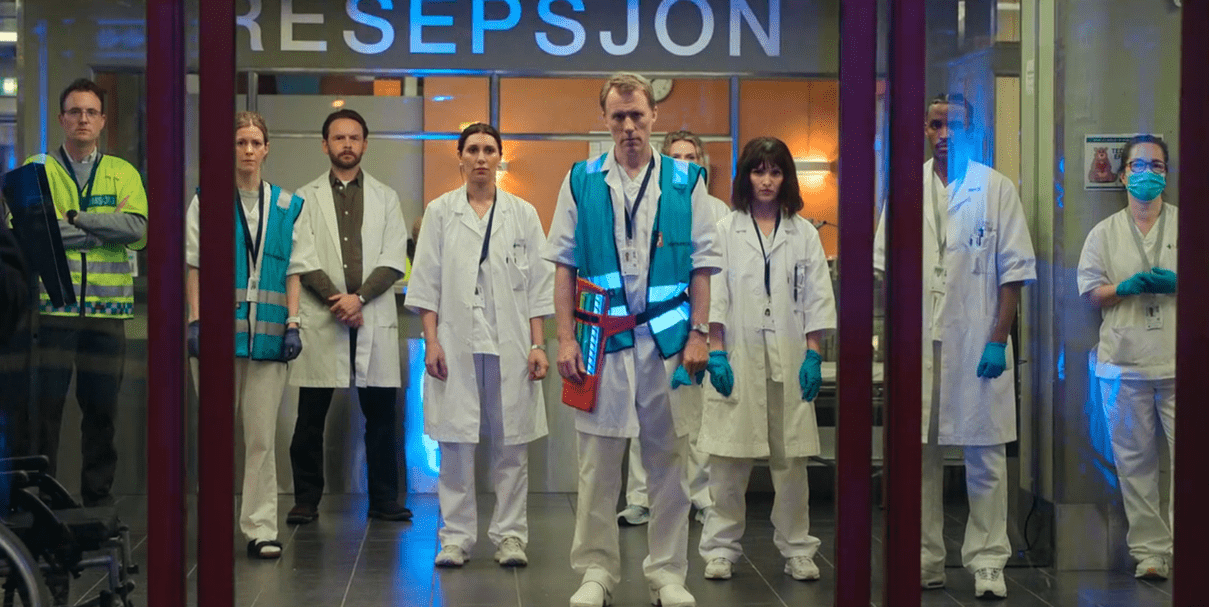
The history of the building at Storgata 40 goes back well before its association with emergency medicine. In 1859, Krohgstøttens Hospital opened on the site as a municipal institution for poor people, with 106 beds for chronically ill patients. The hospital remained an active medical facility for decades. In 1900, a separate emergency service was established within its surgical department, initially known as Kristiania kommunale lægevaktstation. When the hospital’s surgical department moved to the Ullevål neighborhood in 1903, the emergency service continued operating independently. As the decades went on, the specialized clinic expanded in size and function, before its services were ultimately moved to the nearby Aker Hospital.
Interestingly, the production of ‘Always on Call’ used the old Storgata 40 premises during filming and, in the process, renovated and reconfigured many of the rooms for the series. It should be noted, however, that Oslo Legevakt serves only as a broader inspiration for ‘Always on Call,’ and that the show doesn’t reconstruct any of the clinic’s real history. That being said, a lot of the narrative serves as commentary on emergency care alongside the personal lives of those who provide it. Talking to Netflix, Producer Esben Bundgaard-Jørgensen Selvig described ‘Always on Call’ as a story about the people who show up for others, regardless of who they are. By focusing on both the doctors’ professional storylines and their inner lives, the story delves into the psychological impact of the ER’s demanding nature on the medical team.
Always on Call Draws Attention to the Challenges Faced by ER Staff
Jan Gunnar Røise, who plays clinic director Stig Solvang, also discussed the pressures facing emergency healthcare workers in an interview with NTB. Specifically, he identified long queues and the lack of time available to doctors and nurses as central themes in the series, while also highlighting Norway’s commitment to providing equal care to all patients, regardless of social standing. Research into these concerns has yielded similar findings, as reflected in Oslo Municipality’s February 2026 report on the city’s emergency medical service.
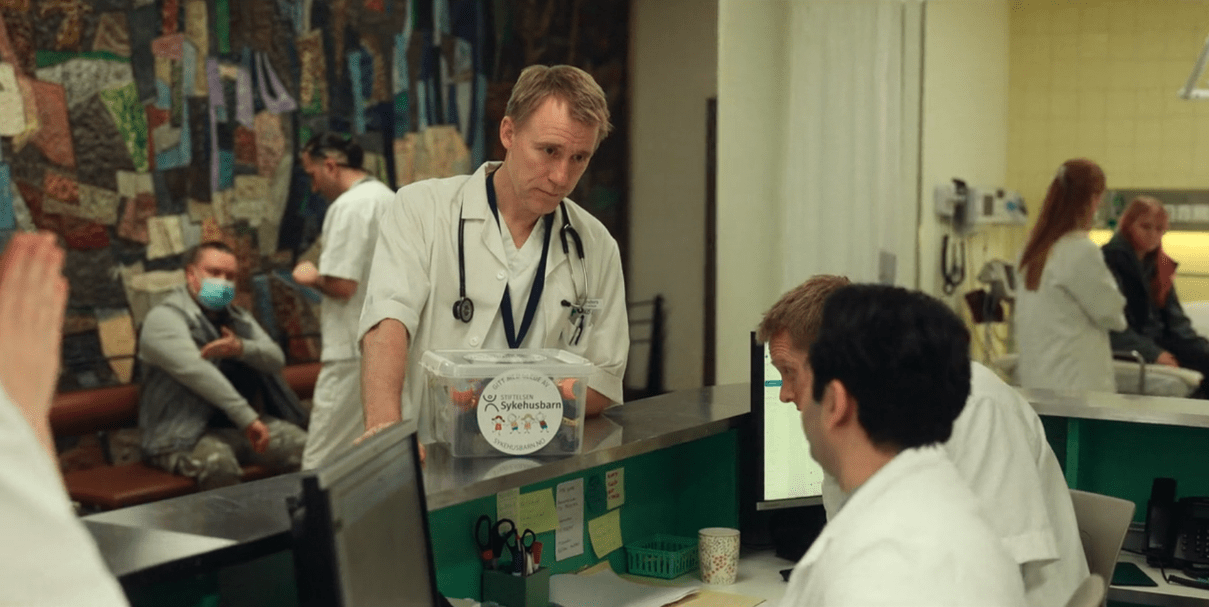
The report found that only 17% of calls were answered within two minutes, against the regulatory target of 80%. Furthermore, daily call volume averaged approximately 1,051 and peaked at 1,350 calls, illustrating the substantial demand placed on the service. In ‘Always on Call,’ these circumstances come to life under a fictional lens, from the perspective of the doctors, nurses, and paramedics who give it their all each day. The result is a profoundly realistic work that not only provides us with a glimpse into the nitty-gritty, but also creates a layer of empathy in the process.
Read More: Always on Call Ending Explained: Does Karimi Leave the Emergency Clinic?

