
 Saagar Kote
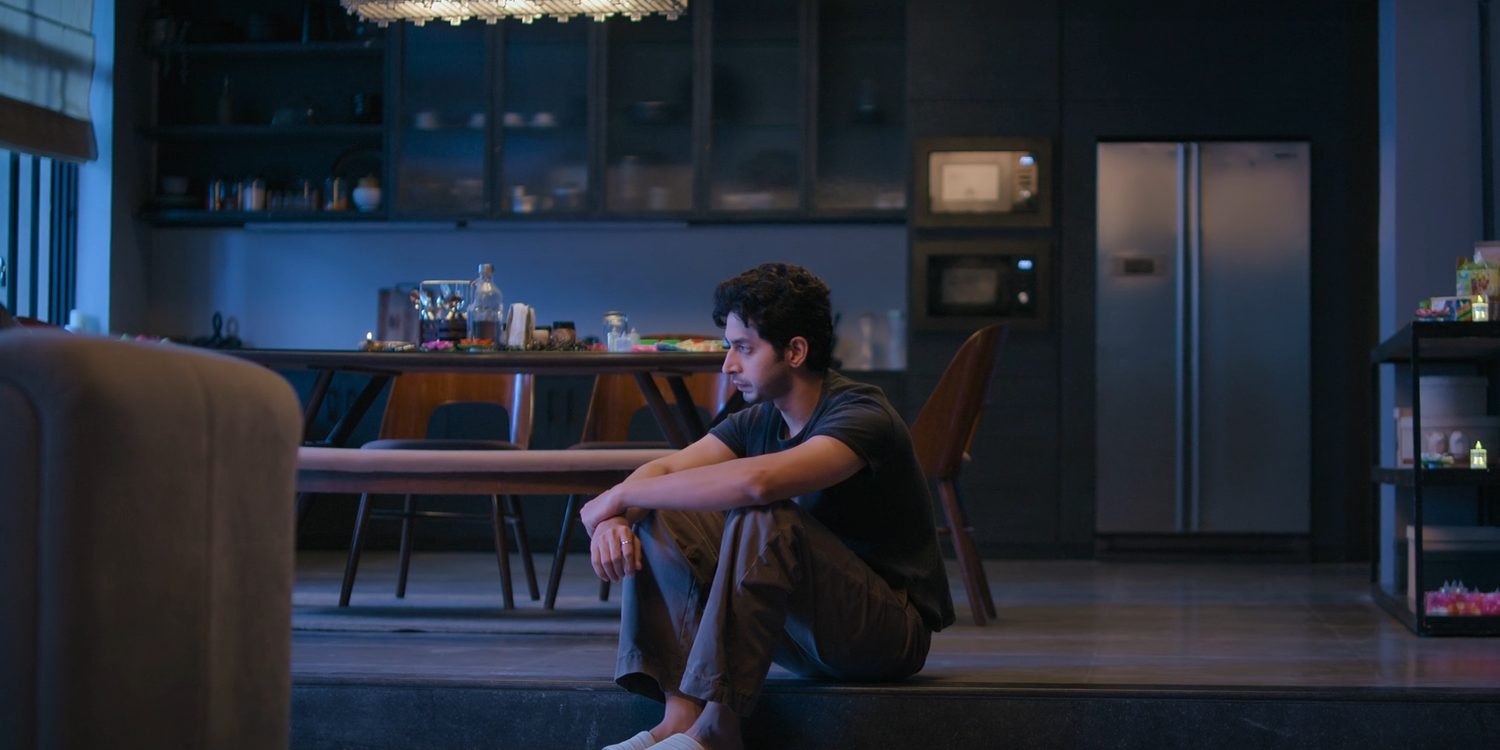
Directed by Ritesh Menon, Netflix’s ‘Dilwali Diwali’ is an Indian drama film that focuses on the trials and tribulations of the Sikkas, a Punjabi family in Delhi. Ansh, the family’s eldest son, buys a posh apartment with his hard-earned money, hoping that his father, Sudhir, AKA Goggi, mother, Sukhi, and sister, Mahi, can live there comfortably and move out of their old refugee camp house. When Ansh returns home from Norway after 3 years, on the occasion of Diwali, he is forced to confront the unfolding chaos.
The family struggles to come to terms with the new living situation, as the apartment starts feeling isolating and quiet compared to the old house. Ansh, who expected his family to be fully happy in the new apartment, must now rethink his priorities and also attempt to understand what his family really wants. The Hindi-language movie sheds light on sensitive social themes, commenting on the intricacies and complexities of Indian families.
Dilwali Diwali is a Fictional Story That Touches On Familial Bonds and True Sense of Happiness and Belonging
Written by Ritu Mago, ‘Dilwali Diwali’ is a deeply relevant and socially sensitive film that depicts the complex realities of Indian families through an urban lens. It discusses the differences between true community living and living in an apartment. The Sikka family struggles to find happiness in their apartment, which was not the case when they were staying in the refugee camp. Through the experiences of the Sikka family, the film intertwines happiness and belonging, stressing that one cannot exist without the other. Despite how much money you spend on buying a grand apartment, it is not a guarantee of joy or peace. One of the most relevant aspects of the story is how it demystifies urban life in India. The narrative specifically navigates how individualism and lack of community may at times lead to despair and meaninglessness.
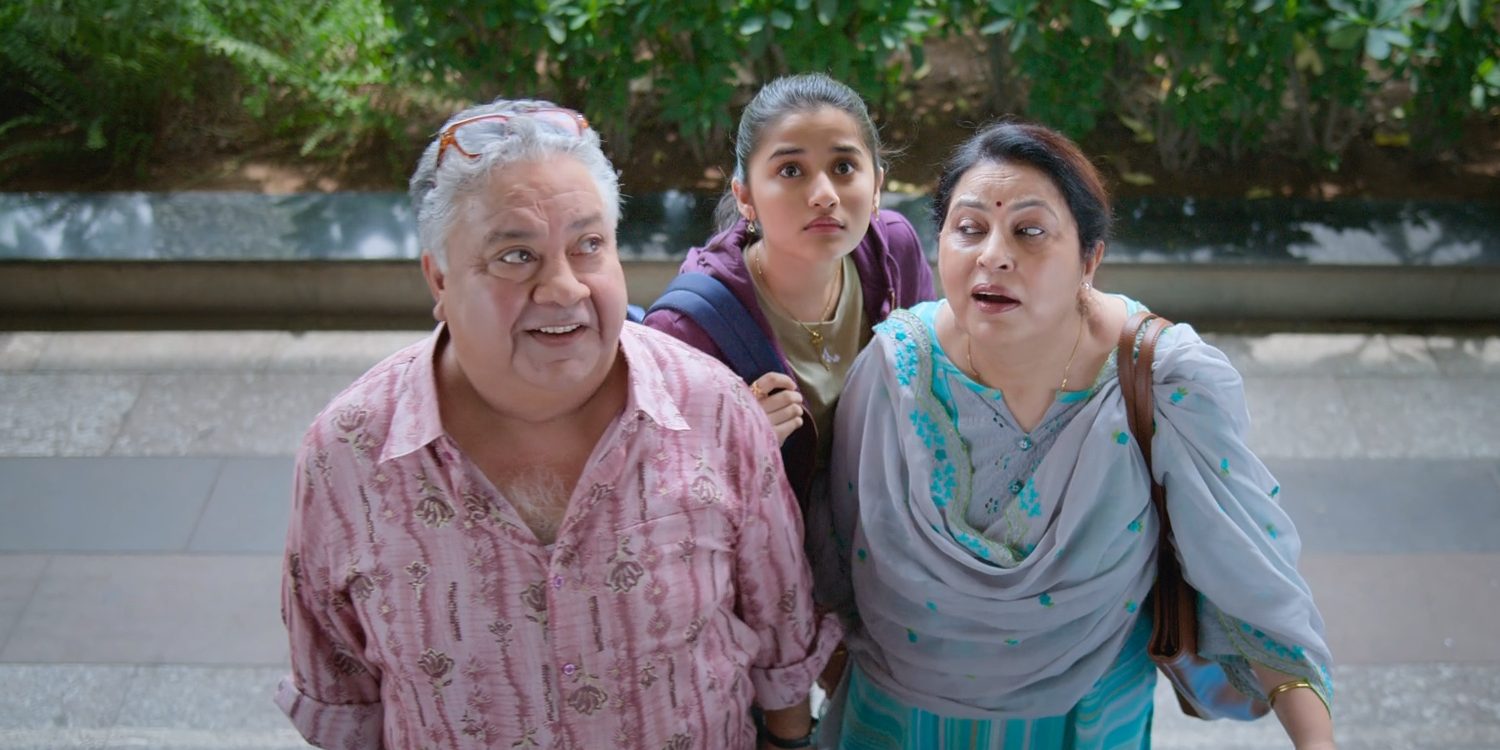
Ansh struggles to understand why his family is not happy, despite his having bought a new apartment. By divorcing happiness from the traps of materialism, ‘Dilwali Diwali’ also offers a more human perspective on joy. While recognizing the importance of economic welfare and the necessity of a bigger living space, the movie doesn’t shy away from depicting how the relentless pursuit of these often leads to emotional emptiness. Talking to Mid-Day, Mihir Ahuja, who plays Ansh Sikka, said, “The emotional heart of the story drew me in. I think there is something incredibly beautiful about stories that remind us that home is not just a place; it is the people who make us feel that we belong.” Ultimately, the movie is a very grounded, human, and realistic portrayal of the nuances of an Indian middle-class family.
Dilwali Diwali Comments on the Social Value of Diwali Through the Experiences of the Sikkas
‘Dilwali Diwali’ doesn’t treat Diwali as just a festival, but makes it a character in itself. The arrival of the festival marks an important stage in the lives of the Sikkas, as they come to terms with their living situation. Emotions that would have otherwise stayed hidden come out in the open during Diwali, turning the family’s reality upside down. While being a simple saga of a family in crisis, the film utilizes Diwali to celebrate the spirit of unity. The grounded characters, the language they use, and the consequences of their actions all contribute to the authenticity of the story.
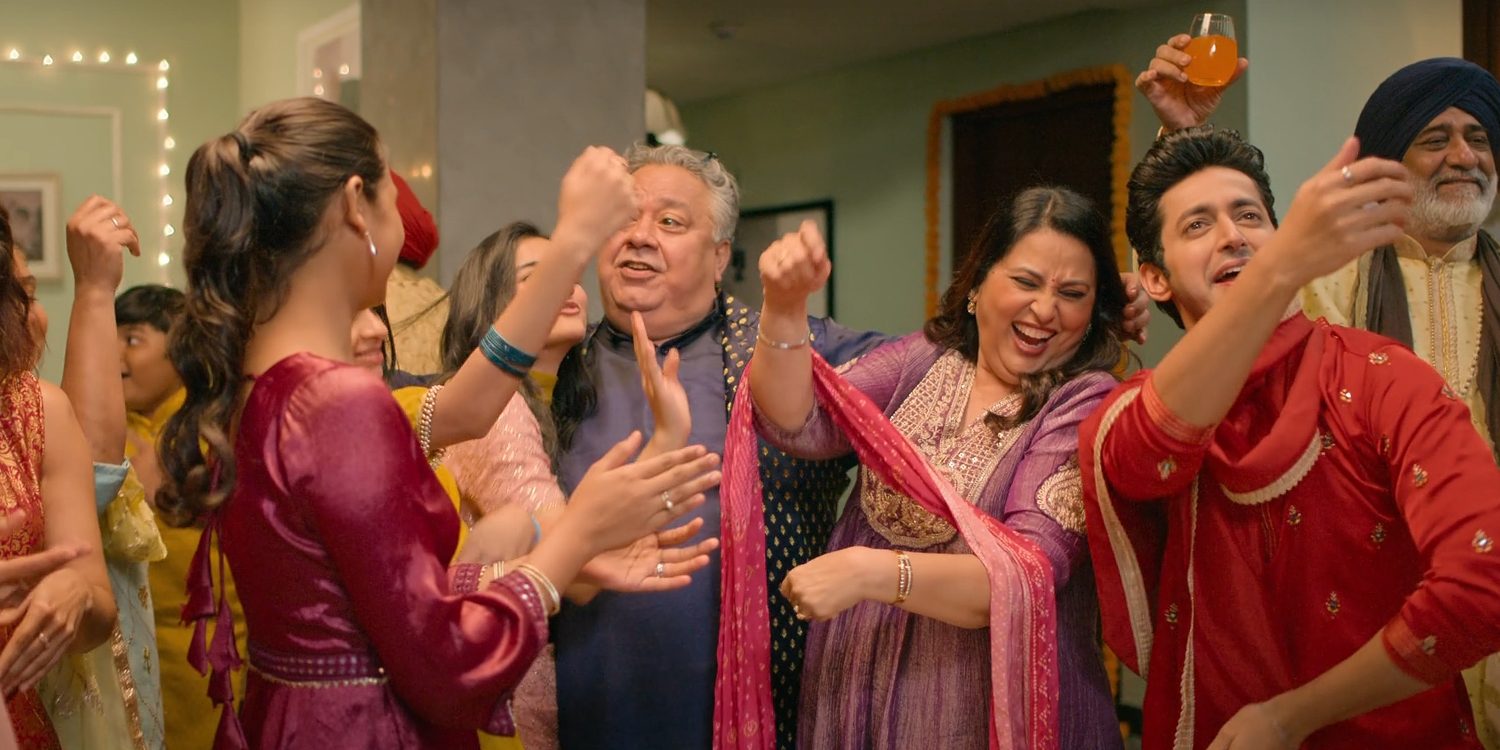
While Diwali is mainly about celebrations, worship, and fireworks, the film treats it as an occasion for honesty, bonding, and humility. The story’s simplicity is its biggest strength, as it humanizes every character and reflects deeply on their perspectives. As per a Netflix press release, Manoj Pahwa, who plays Goggi, said, “For a parent, home is never just about the walls, the furniture, or the address. It’s about the memories you’ve built, the people you’ve shared your life with, and the little things that make a place your own.” Thus, ‘Dilwali Diwali’ is a deeply emotional saga that explores intimate emotions and meaningful character moments.

