
 Abhiroop Das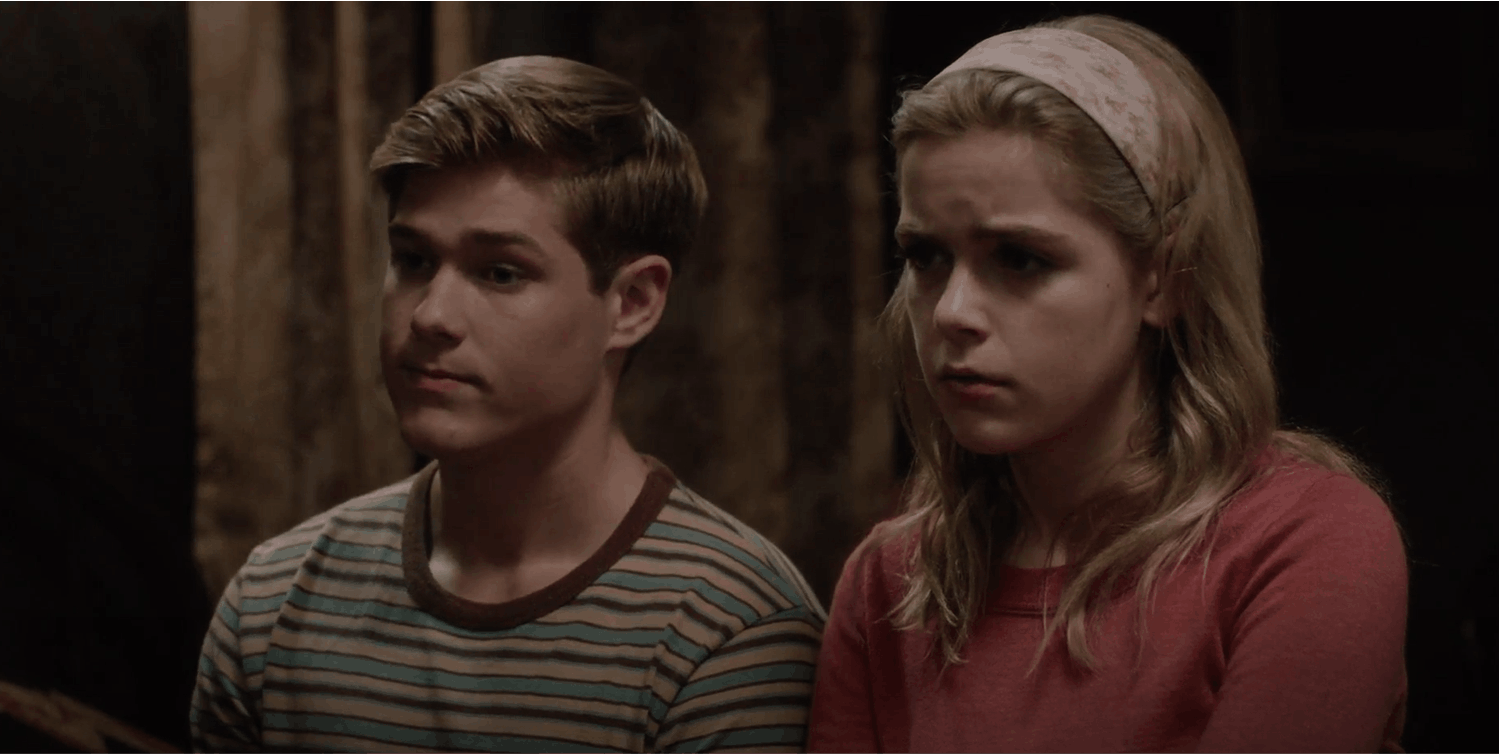
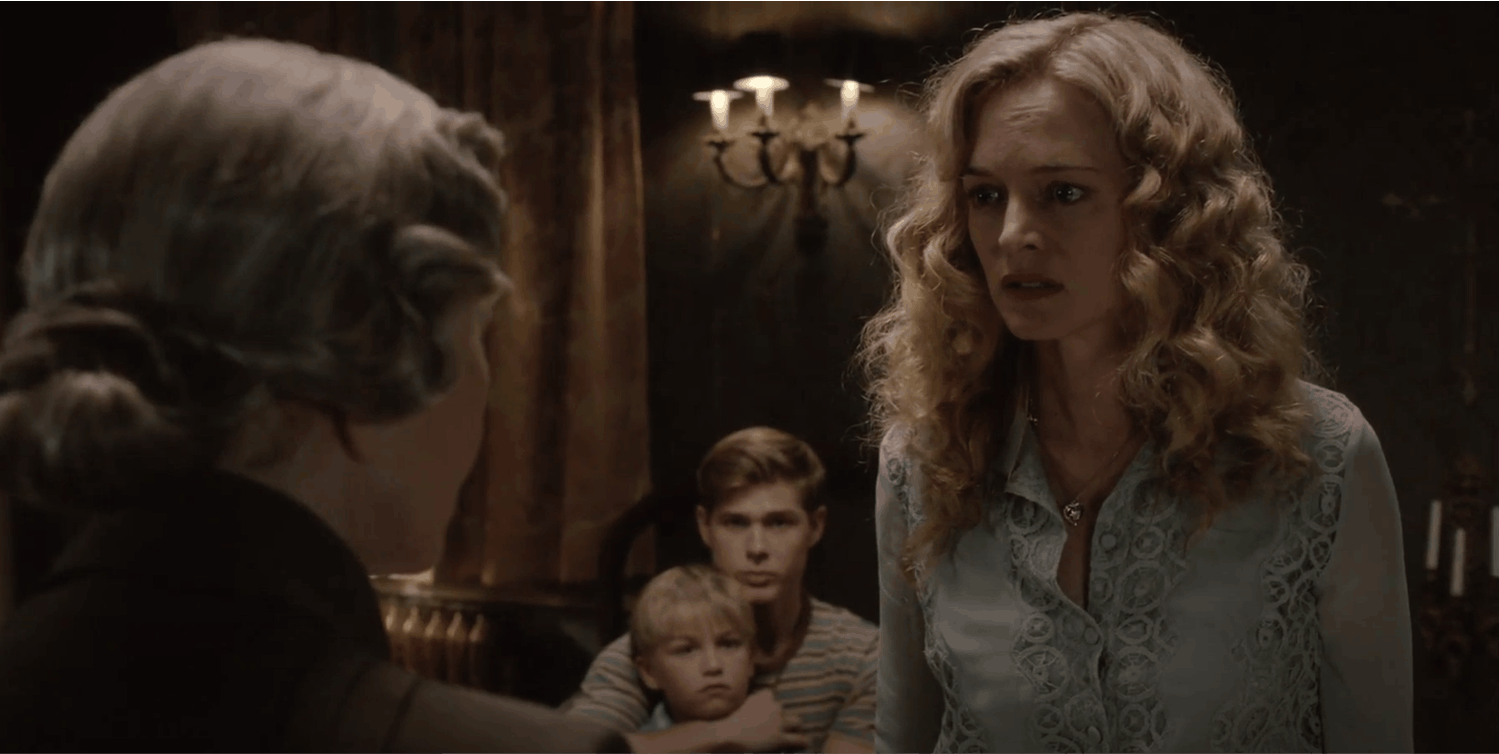
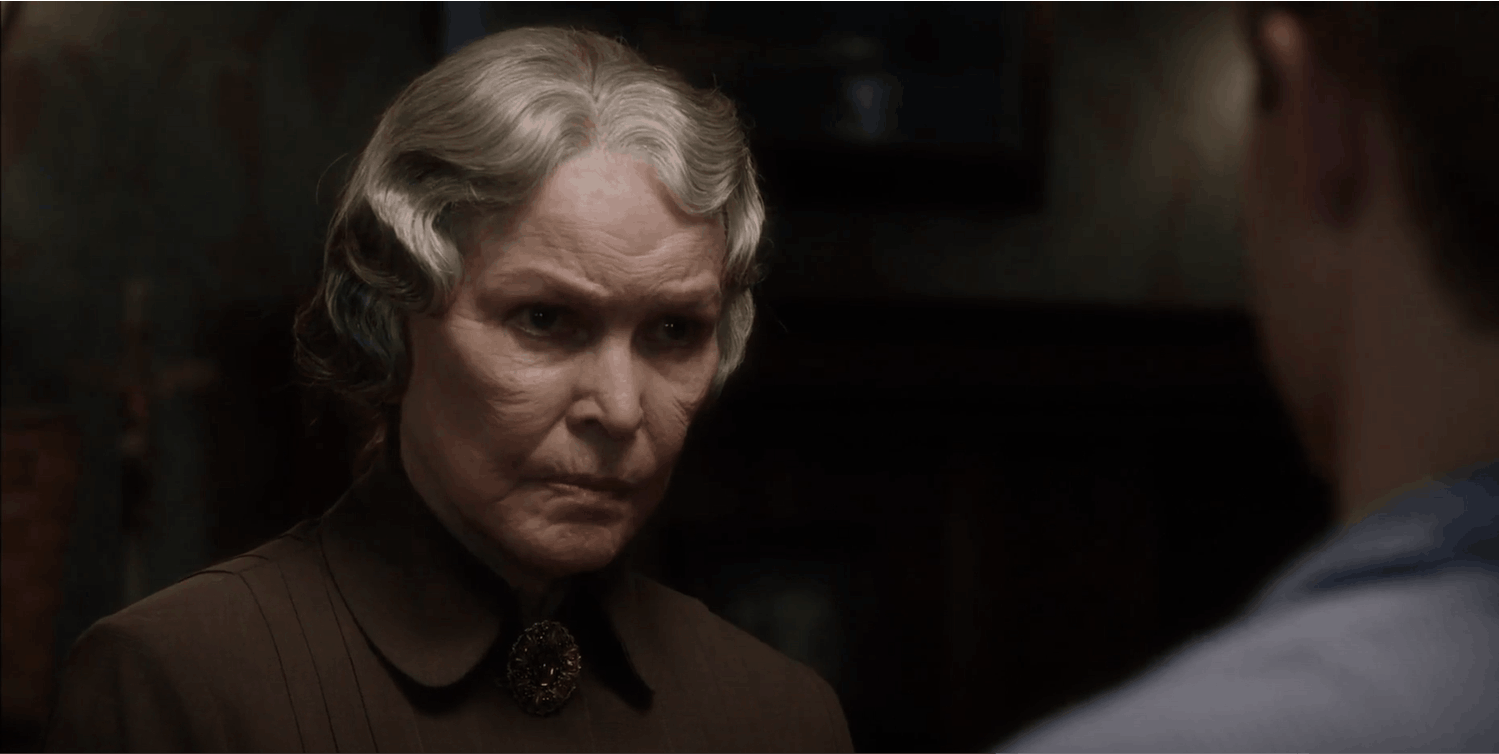
Helmed by Deborah Chow, ‘Flowers in the Attic‘ tells a story that brings together several generations in its examination of cyclical abuse. The Dollanganger family’s blissful life takes a sharp turn when the patriarch, Christopher, passes away in a tragic accident. Sensing a bleak future, his wife, Corrine, moves in with her parents along with her four children, Chris, Cathy, Cory, and Carrie. However, this proves to be far from a smooth experience, as the kids are, without warning, sent to live in the attic, and strictly forbidden from stepping out under any circumstances. Though Corrine promises to save them from this nightmarish experience, the days soon turn into months, forcing the children into a battle for their own survival. Steeped in the aesthetics of gothic storytelling, this psychological thriller brings to life a starkly human experience, one that comments on family as much as it comments on the individual.
Flowers in the Attic is Based on a V.C. Andrews Novel With a Mysterious Origin Story
Lifetime’s ‘Flowers in the Attic’ is writer Kayla Alpert’s adaptation of the eponymous novel penned by author Virginia C. Andrews, and marks the first entry in her ‘Dollanganger’ book series. While Andrews invented the world of the Dollanganger children, the actual roots of the novel remain largely shrouded in mystery. The closest we get to a direct answer from the author herself is in her 1978 pitch letter to publishers, where she reportedly described the tale as a “fictionalized version of a true story,” which is almost designed like a horror narrative. While her strikingly realistic writing style definitely adds to this feeling, this is largely where Andrews’ commentary on the origins of the story ends.
For years after the novel’s publication in 1979, variations of Andrews’ words in the pitch letter circulated in and out of fan circles, leading many to theorize about the potential true story behind the Dollangangers’ journey. The biggest claim surrounding the book’s inspiration, however, traces back to a conversation Andrews allegedly had with a doctor at the University of Virginia Hospital. While the details of the alleged account have never been brought to light, much less verified, numerous sources vaguely seem to point in the same direction. The first account comes from The Complete V.C. Andrews, a popular fan page, which claims to have interviewed one of Andrews’ relatives. Though the person remains unidentified to this day, their claims about the origins of ‘Flowers in the Attic’ have proved foundational for the fandom.
An Unverified Story About a Doctor’s Childhood Might Have Inspired the Novel
In their exchange with The Complete V.C. Andrews, the unnamed, alleged relative of Andrews claimed: “Virginia (the author) was a young lady when my dad made arrangements to take Virginia to the University of Virginia hospital (…) While she was there, she developed a crush on her young doctor. He and his siblings had been locked away in the attic for over 6 years to preserve the family wealth.” While this particular interview cannot be verified, it should be noted that the editor of ‘Flowers in the Attic,’ Ann Patty, once told a similar story to The Toast, seemingly asserting that Andrews was loosely inspired by a real account she heard from a doctor.
Patty opined that, while some parts of the book may have been true, even she couldn’t accurately determine the extent to which Andrews dramatized the story and its finer details. Reportedly, Andrews sustained a serious fall from a school stairwell, which contributed to her rheumatoid arthritis. Due to the pain, even sitting at a desk became too difficult for the author, causing her to leave school in her senior year in 1940. It has also been reported that Andrews developed bone spurs during this time and spent some time in a full-body cast at the University of Virginia hospital. While this aligns with the claims about her meeting a doctor there, the authenticity of their alleged conversation cannot be determined.
The Dollanganger Siblings Are Likely a Dramatization of the Alleged Doctor and His Siblings
When it comes to ‘Flowers in the Attic,’ one of the many burning questions is whether it is autobiographical in any way, shape, or form. In a 1983 interview with Douglas E. Winter for his book ‘Faces of Fear, ‘ V.C. Andrews addressed this discourse herself, definitively stating, “A lot of people think I was tortured, but my parents didn’t do anything.” That said, editor Ann Patty’s partial confirmation of the doctor’s existence has led to the dominant belief that there may be some truth to the anecdote. In this light, the doctor mentioned in these accounts can possibly be the primary inspiration for the character of Chris Dollanganger, with Cathy, Cory, and Carrie potentially being a reimagination of the doctor’s siblings. Apart from these broad parallels, however, most of the characterization likely came straight from the mind of V.C. Andrews, especially when it comes to the thematically charged sections of the novel.
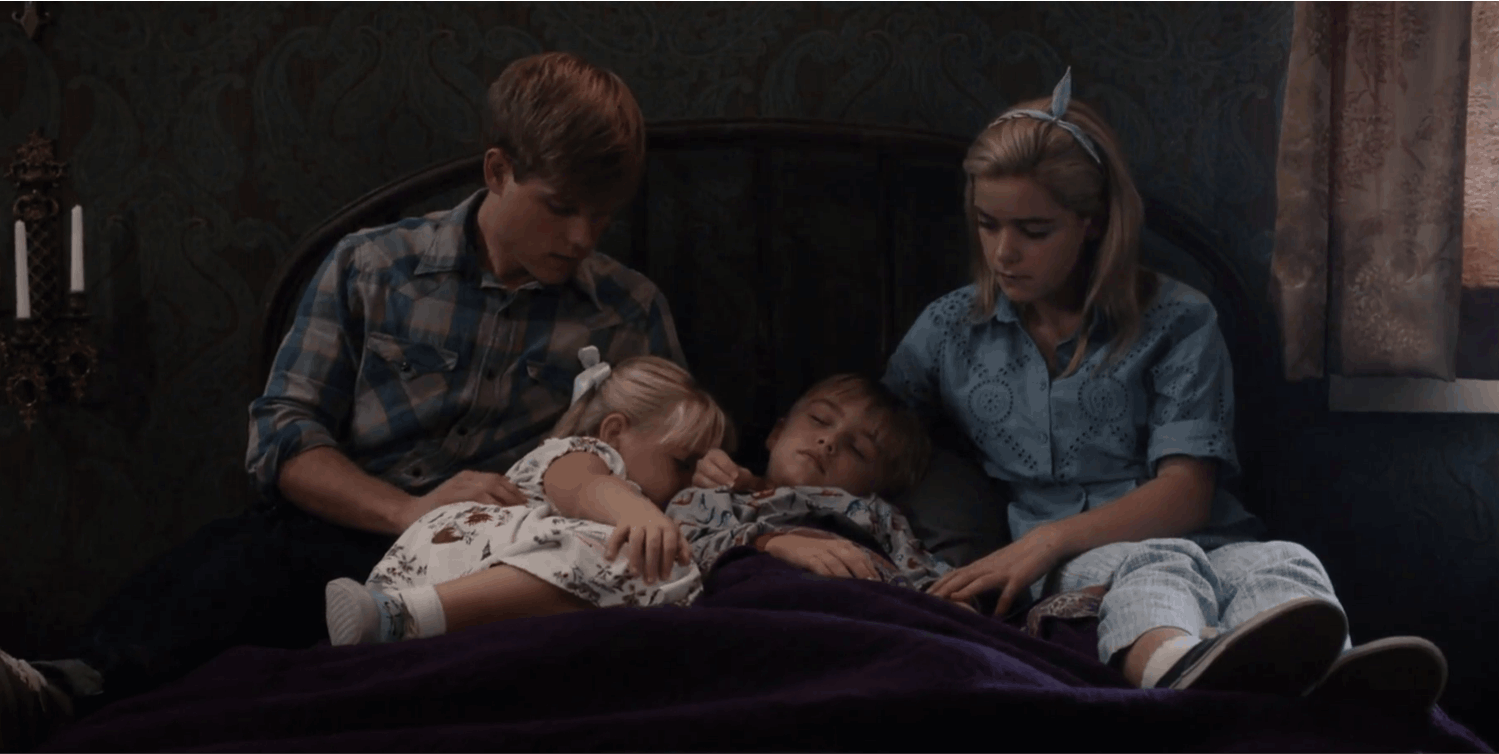
Notably, The Complete V.C. Andrews proclaimed that the alleged relative of Andrews claimed that the writer cut down the timeframe of the children’s captivity in her novel, as compared to the 6 years mentioned by the doctor in this account. This was likely done to keep the narrative more cohesive and believable, while also allowing the author to explore individual events more effectively. Editor Ann Patty also suggested that the novel’s time frame might have been fictionalized, along with the presence of twins and the exploration of sexuality. As such, while there is a chance that Cory and Carrie are completely a creative construct, the larger storyline of ‘Flowers in the Attic’ surrounding the siblings is likely at least vaguely connected to reality.
Read More: Flowers in the Attic Ending Explained: Do the Children Escape? Will Chris and Cathy End up Together?

