
 Saagar Kote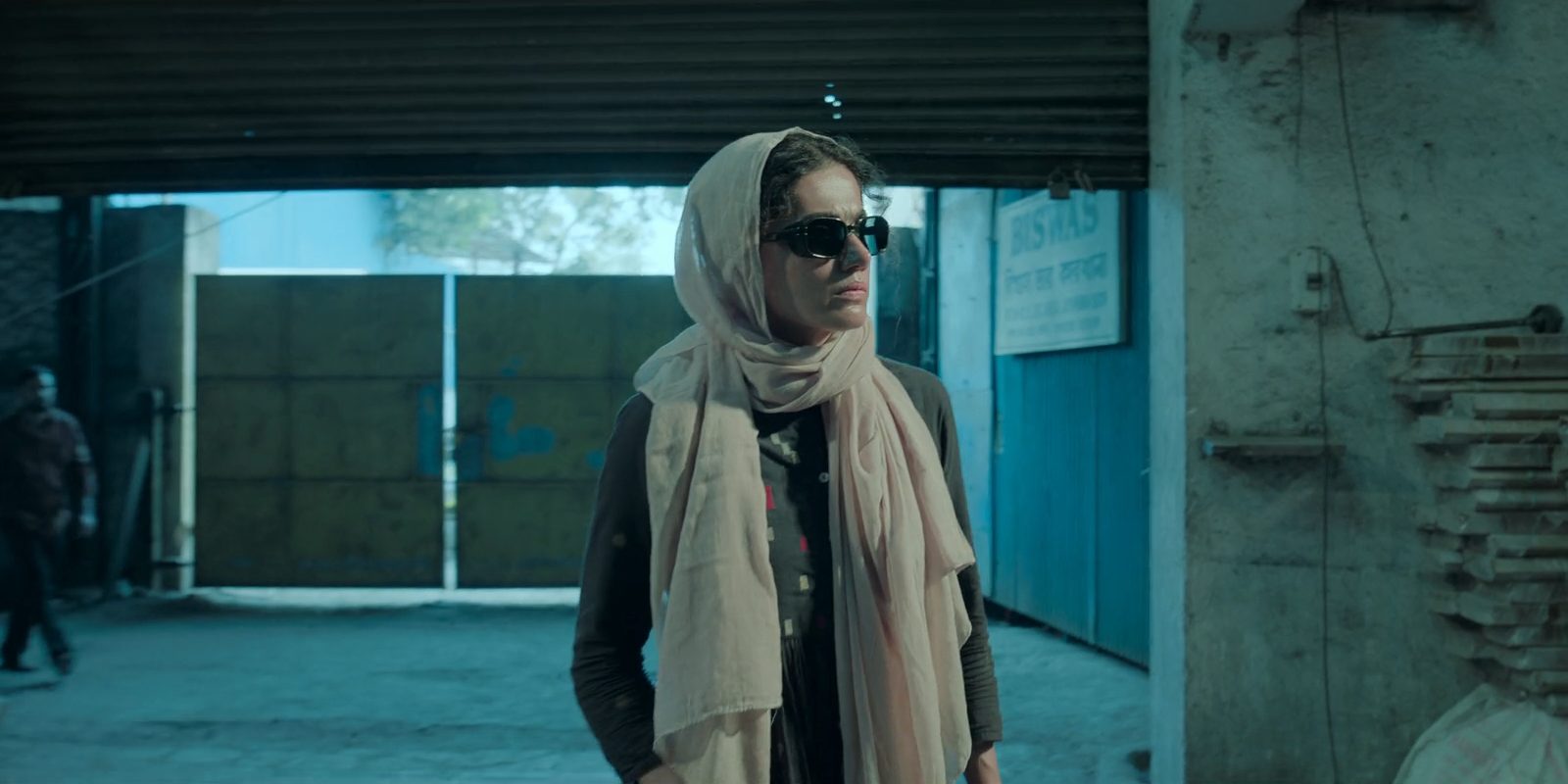
Netflix’s ‘Gandhari’ is an Indian action thriller film that follows Bani Sikdar as her life takes a devastating turn when her daughter, Mishty, is abducted during a family trip. Bani suffers a severe injury while trying to chase the kidnapper, leaving her temporarily blind and making the search even more difficult. With the local police in the town of Joypurra unable to provide the assistance she needs, Bani and her husband, Gokul, begin looking for answers themselves. Once Bani digs deeper into Mishty’s disappearance, she discovers a possible connection between the case and a local gang, while several suspects further complicate her investigation.
Her weakened eyesight becomes another hurdle as she tries to uncover the truth in a town filled with secrets and deception. Bani must therefore rely on her own observations and courage as she confronts a law enforcement system that appears to be working against her. What begins as a desperate attempt by two parents to find their missing daughter gradually develops into a deeply personal battle against the forces responsible for her disappearance. Directed by Devashish Makhija, the Hindi-language movie depicts troubling social realities and their impact on families.
Gandhari Sheds Light on the Mother-Daughter Bond in the Shadow of Child Kidnappings
Written by Kanika Dhillon, ‘Gandhari’ delves into Bani’s world, which is full of uncertainties and risks. It captures the essence of the mother-daughter relationship in all its complexities. Bani’s desperation to find her daughter and the ways in which she navigates the issues in Joypurra form the core of the story. Joypurra is a town with two very different faces. On the exterior, it looks civilized and friendly, but secrets lurk beneath the surface, with devastating potential. Child kidnappings are one of the most important social evils that the story sheds light on. When Mishty is abducted, it affects both Bani and Gokul in excruciating ways, pushing the parents to the extreme. The contrast between Bani’s love for Mishty and the apathy that she faces in Joypurra adds to the grounded nature of the narrative.
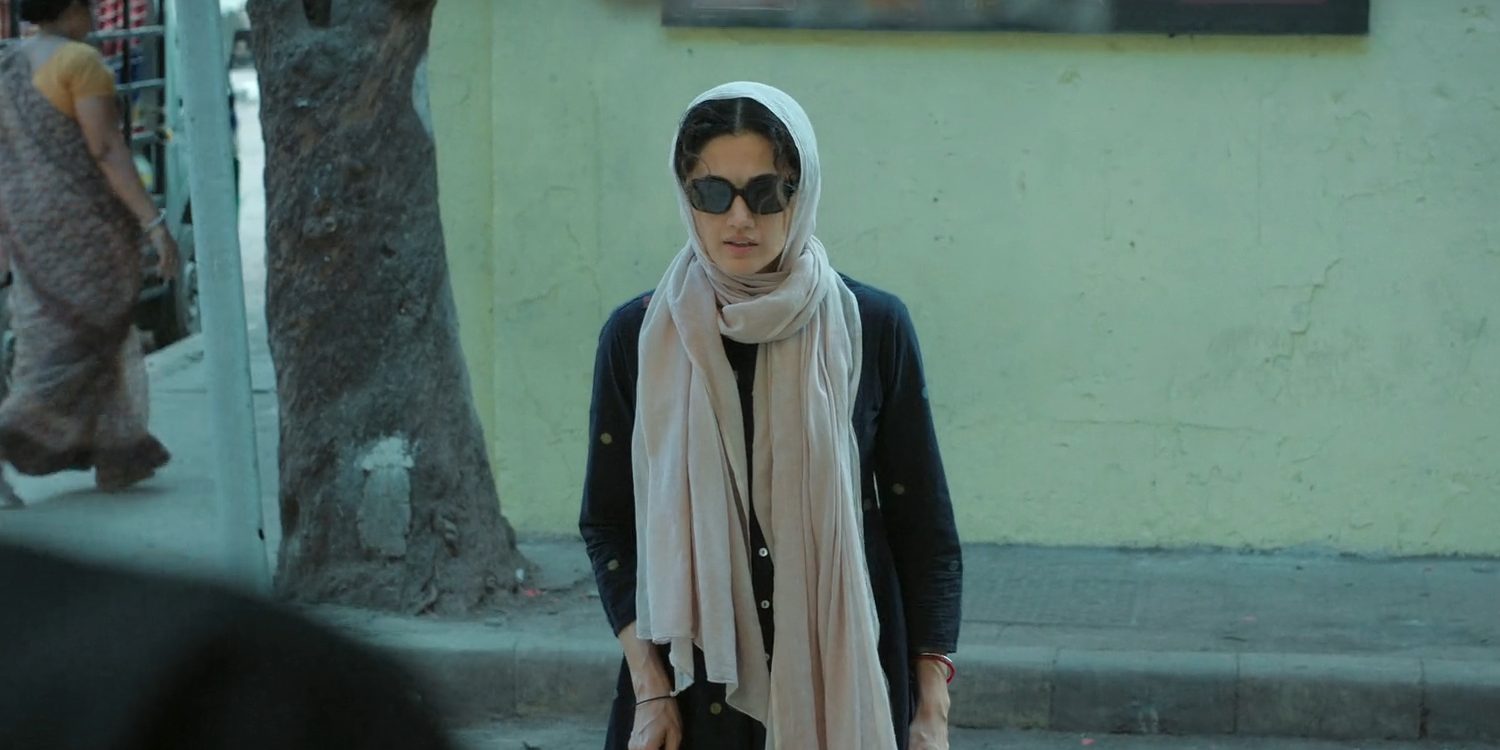
‘The Black Phone’ by filmmaker Scott Derrickson, ‘Man on Fire,’ helmed by Tony Scott, and director Ben Affleck’s ‘Gone Baby Gone’ deal poignantly with the issue of child abductions. Akin to these films, ‘Gandhari’ is also set in a world where child kidnappings are explored through the views of the family members of those abducted. The realism of the story lies in its treatment of child kidnappings from a deeply sociological lens, as opposed to sensationalism. A 2026 media report sheds light on a case involving the disappearance of a three-year-old child from a hospital in Delhi. The cops eventually traced the kidnapper and rescued the kid. Another 2026 media report says there is growing concern over child abduction in the Indian state of Telangana, with data suggesting that nearly six children are reported missing in the state every day.
In an interview with ETV Bharat, Taapsee Pannu, who plays Bani, spoke about her character. She said, “Her biggest strength is her emotions and her love for her daughter. Her identity is simply that of a mother. When a mother sees her daughter in danger and finds that nobody is ready to help, how far can she go to save her child? That is what Gandhari explores.” Ultimately, ‘Gandhari’ is a sensitive film that chronicles the struggles of parents who are forced to confront such kidnapping cases in real life. The film is socially aware, realistic, sensitive, and layered, which makes it more relevant and appealing.
Gandhari Offers a Cinematic Interpretation of a Popular Mahabharata Character
While ‘Gandhari’ is grounded in the issues faced by individuals and families in the real world, it also has a symbolic and philosophical connection to the Hindu epic Mahabharata. In the Mahabharata, Gandhari, the Kuru queen, voluntarily blindfolds herself after marrying the blind Dhritarashtra and later becomes the mother of the Kauravas. Following the war, she represents the grief of women affected by conflict, becoming a symbol of their suffering and loss. She is also generally known as an individual with foresight and virtue.
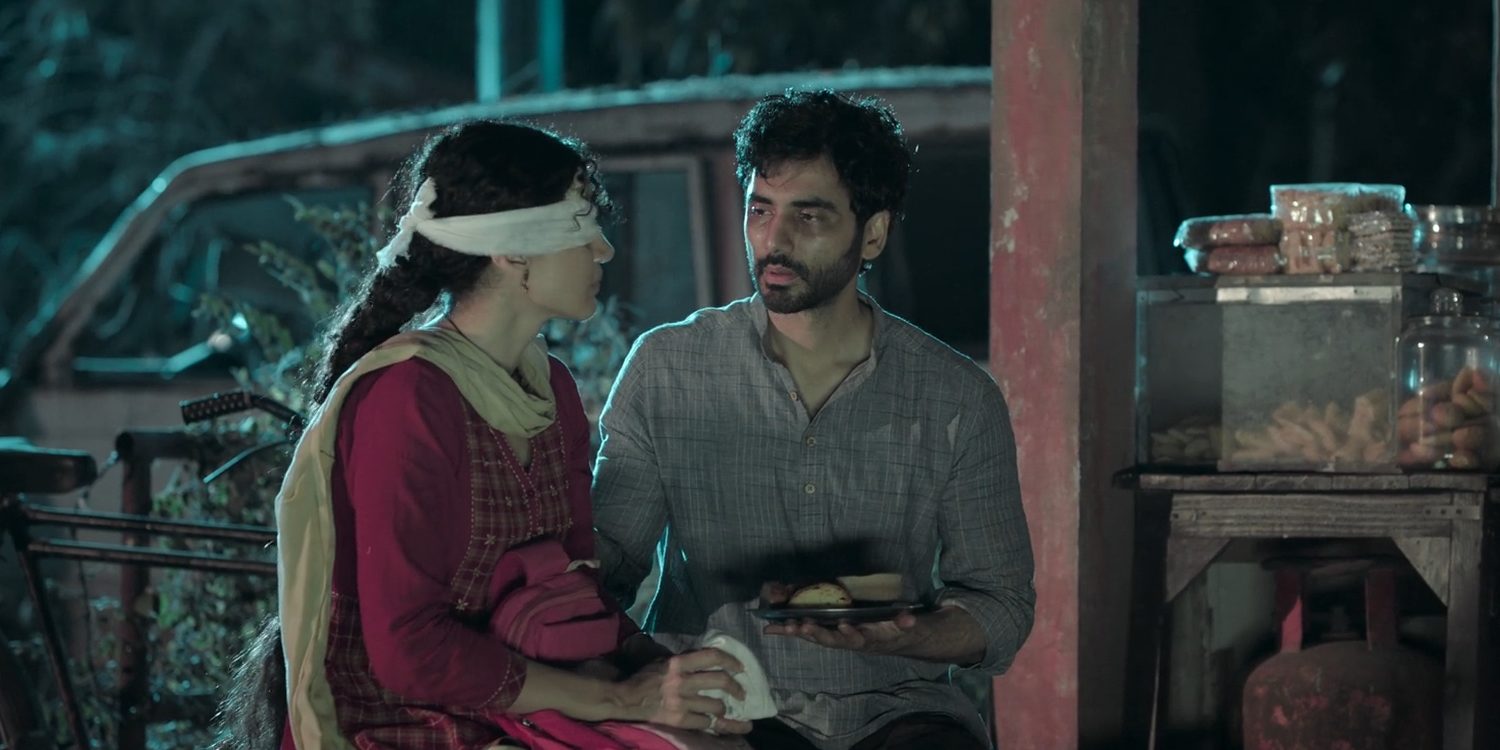
In ‘Gandhari,’ Bani loses her eyesight and must then work through her guilt and grief to rescue Mishty at any cost. While Bani’s circumstances are very different from the Mahabharata’s Gandhari, she serves as a powerful character who fights her own battles. In an interview with ABP, Taapsee Pannu stated that the film reimagines the mythological Gandhari in current realities and brings her to the forefront. The actress said that the writer Kanika Dhillon wanted to explore how Gandhari would react to threats in the contemporary world.
Speaking to The Hollywood Reporter India, Dhillon opined, “Gandhari, in the Mahabharata, has been a mother who could never actively take a stand. This time I wanted to reinterpret that — see her actually making the right decision and getting into the battlefield and fighting that war.” In essence, the movie is a female-centric saga that depicts Joypurra as a battlefield that Bani must fight on, despite all the limitations placed on her. The intertwining of mythological themes and social realism from a feminist point of view is one of the most profound parts of Bani’s journey.

