
 Saagar Kote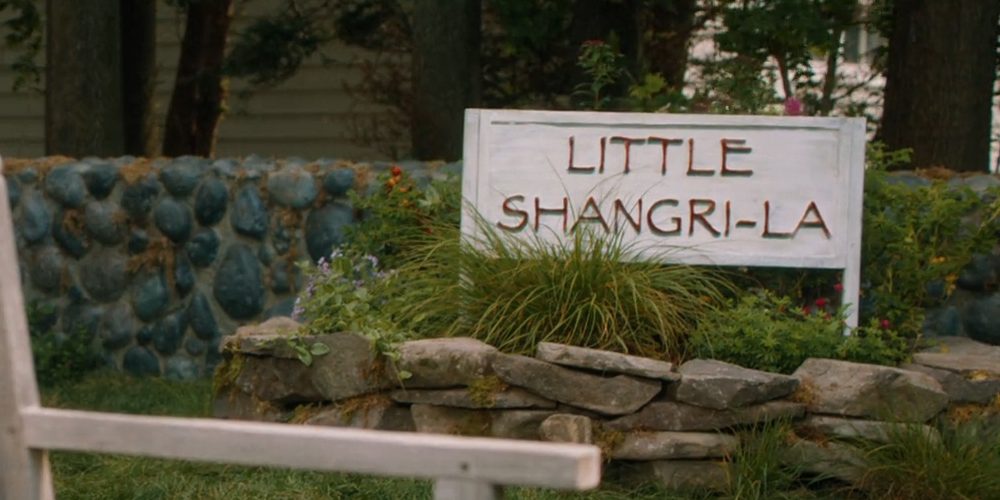
‘And So It Goes’ is the story of Oren Little, a lonely and aging realtor who is rude to people and is grieving the death of his wife. He spends his days without worrying about anyone else, and hopes to be just left alone. He stays at a small residential building and prefers to sell his large mansion to interested clients. With no hopes for a happier future, the pessimistic and grumpy man suddenly finds himself challenged. Oren’s life changes when his estranged son, Luke, drops off his nine-year-old daughter, Sarah, at Oren’s doorstep.
Having no capacity for emotion, especially empathy and love, the realtor finds it difficult to adjust to this new reality. He also develops a complex bond with neighbor Leah, an aging widow, who pursues her passion for singing. As Leah, Oren, and Sarah become part of each other’s lives, they are in for some surprises that may change their perspectives forever. In this journey, Little Shangri-La is a place that holds special significance for Oren, Leah, and the story at large. SPOILERS AHEAD.
Little Shangri-La Symbolizes Love, Empathy, and Family in Oren’s Life
Little Shangri-La is a residential building with four housing units, owned by Oren. The fictional building is situated at an isolated spot by a lake and represents the charm of suburban life. Little Shangri-La is more than just a physical entity, but is deeply tied to Oren’s character transformation. The residential space reflects the power of simple human bonds and how they can often lead to a positive impact. The building is a crucial part of the story as it is where emotions come to the forefront, characters think about their realities, and the idea of family develops. While Oren occupies one of the houses, Leah is his neighbor. The third house is rented by Kyle and Kate, who are parents to three, and the remaining house is occupied by Ray and his wife, Kennedy, who are expectant parents.
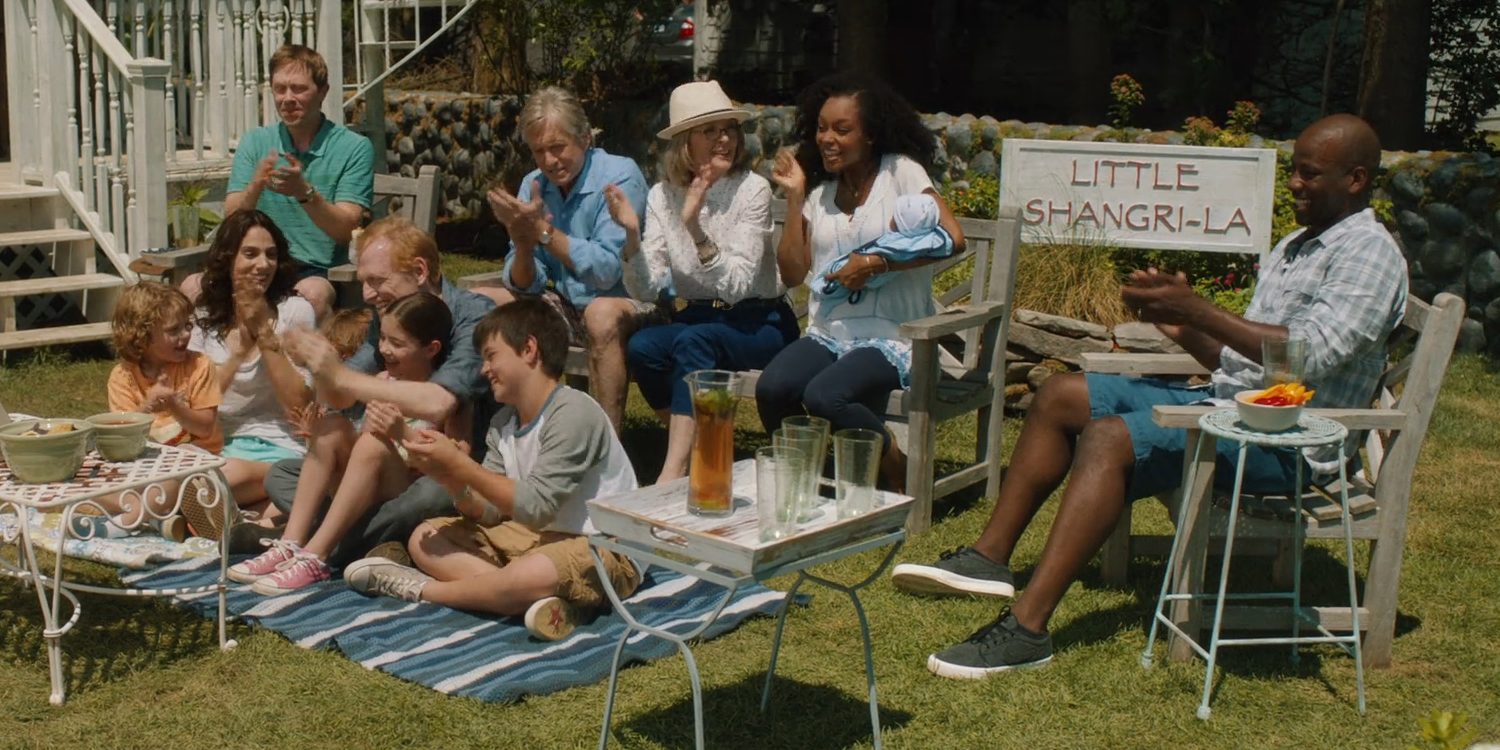
Little Shangri-La is also named after Oren’s surname. The idea of family comes across as a major theme in and around the residential building. The narrative utilizes the space to convey deeper messages about the power of human connection to conquer loneliness and grief. At its core, the housing structure gives its residents, including Oren, a safe space to talk about their feelings. If not for his neighbors and their lively presence in his life, Oren may never have found the strength to go beyond his profound sadness and apathy. Every moment set in and around Little Shangri-La manages to take the story towards deeper reflections on human connection.
The building is also a spiritual representation of Oren’s own desire for freedom from his own demons. The residential property also keeps the tone of the film engaging and colorful, serving as an intricate narrative tool. It also appears realistic due to its simplicity, charm, and the exteriors, which seem lived-in. It also adds to the dramatic and heartfelt nature of the movie by serving as a space where characters exchange genuine emotions. Ultimately, Little Shangri-La is a poignant navigation of the idea of happiness, calm, and freedom in Oren’s complex reality.

