
 Abhiroop Das
Created by Pablo Larraín, ‘My Sad Dead,’ also known as ‘Mis muertos tristes’ in the original Spanish, reimagines the eponymous short story by Argentinian author Mariana Enríquez, following Ema Bascary, a retired doctor with a unique talent. Though no one who knows of this tale seems to believe it, Ema has the ability to see the ghosts of the dead, and that has been her waking reality since birth. Moreover, her life seems to have taken a sluggish form after the mysterious death of her mother. But Ema finds the gears turning again when her sister, brother-in-law, and niece pay a visit. The latter, Julie, can also interact with ghosts, but the way she uses it and the journey she embarks on shatter Ema’s definition of normalcy. By the end of this psychological horror series, the entire city, both in its natural and supernatural dimensions, feels the weight of these choices. SPOILERS AHEAD.
My Sad Dead Plot Recap
‘My Sad Dead’ begins with Dr. Ema Bascary being forced into retirement after controversies surrounding the euthanasia of her mother, Susanna. What none of the people in the hospital know, or rather believe, however, is that Ema has the ability to see the dead and speak to them. On her way back home, she tells her daughter Caro that her aunt and uncle, Lidia and Tomas, will be coming over with their daughter, Julie. Though Ema and Lidia have hardly been in touch ever since the latter went to Orlando, Susanna’s death seems to have stirred things back up. To make things more complicated, Julie, declared unruly and antisocial, also has the ability to see the dead, and often has sex with a cohort of ghosts she calls her best friends.
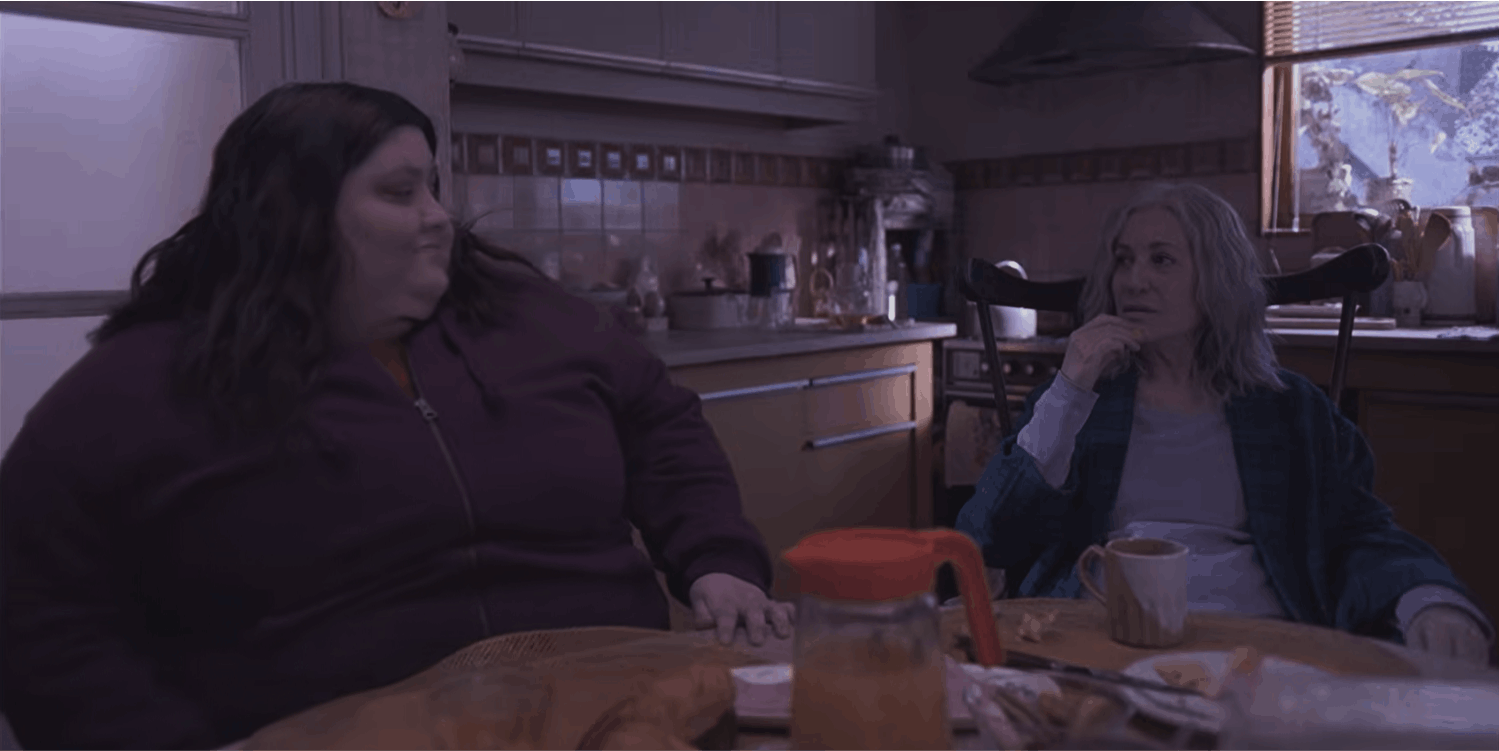
Lidia and Tomas don’t believe in their daughter’s claims, and soon reveal that the real reason they are here is to send her off to a mental health institution. Knowing her fate, Julie asks Ema to take her for a walk through the city, which seems marred by a strange sense of lawlessness and criminal violence. The thing that catches Julie’s eye, however, is the towering water tank of the city, as Ema muses that the ghosts must be swimming in there. While they talk, Ema consoles Julie, saying that Julie will be with her ghost friends when she dies. Not long after this, Lidia and Tomas leave the town, while Julie gets institutionalized. However, Ema’s words don’t leave Julie’s mind, and one rainy night, she escapes from the facility, climbs up the water tank, opens the hatch, and jumps to her death.
As the days go by and Julie’s body begins to decompose, minuscule pieces of her being enter the bodies of everyone drinking the water, and before long, everyone begins to hear the voices of ghosts as well. Meanwhile, Lidia and Tomas return to the news that Julie is missing, and while it doesn’t take Ema long to figure out what happened to her niece, she chooses to keep it a secret. As the entire city begins to hear ghosts in varying capacities, everything slips further into chaos. More people, however, begin believing in Ema’s ability, and the police even ask for her help in solving the brutal murder of three teens. Meanwhile, Caro, who can also hear the voices, goes to the spot where her boyfriend, Facundo, died, frustrated with how this ability cannot change anything. As the situation intensifies, with Tomas also gaining the ability to see the dead, the search for Julie, or rather, her ghost, goes on.
My Sad Dead Ending: Does Julie’s Ghost Come Back? Does She Find Her Friends?
‘My Sad Dead’ ends with Ema seeing Julie’s ghost at last, confirming that she has joined the other side of the veil for good. Though Julie initially has a hard time locating her ghost friends and sexual partners, toward the end, we hear her have sex upstairs in Ema’s house, which effectively confirms that she has found true peace in her death. Interestingly enough, Ema didn’t even know for sure that Julie would join her friends when she first brought up that theory. In reality, it was more of her trying to shift, or rather suppress the subject, as it is bound to lead to even more complicated revelations about life and death. The fact that Julie finds what she is looking for, however, raises more questions than it answers.
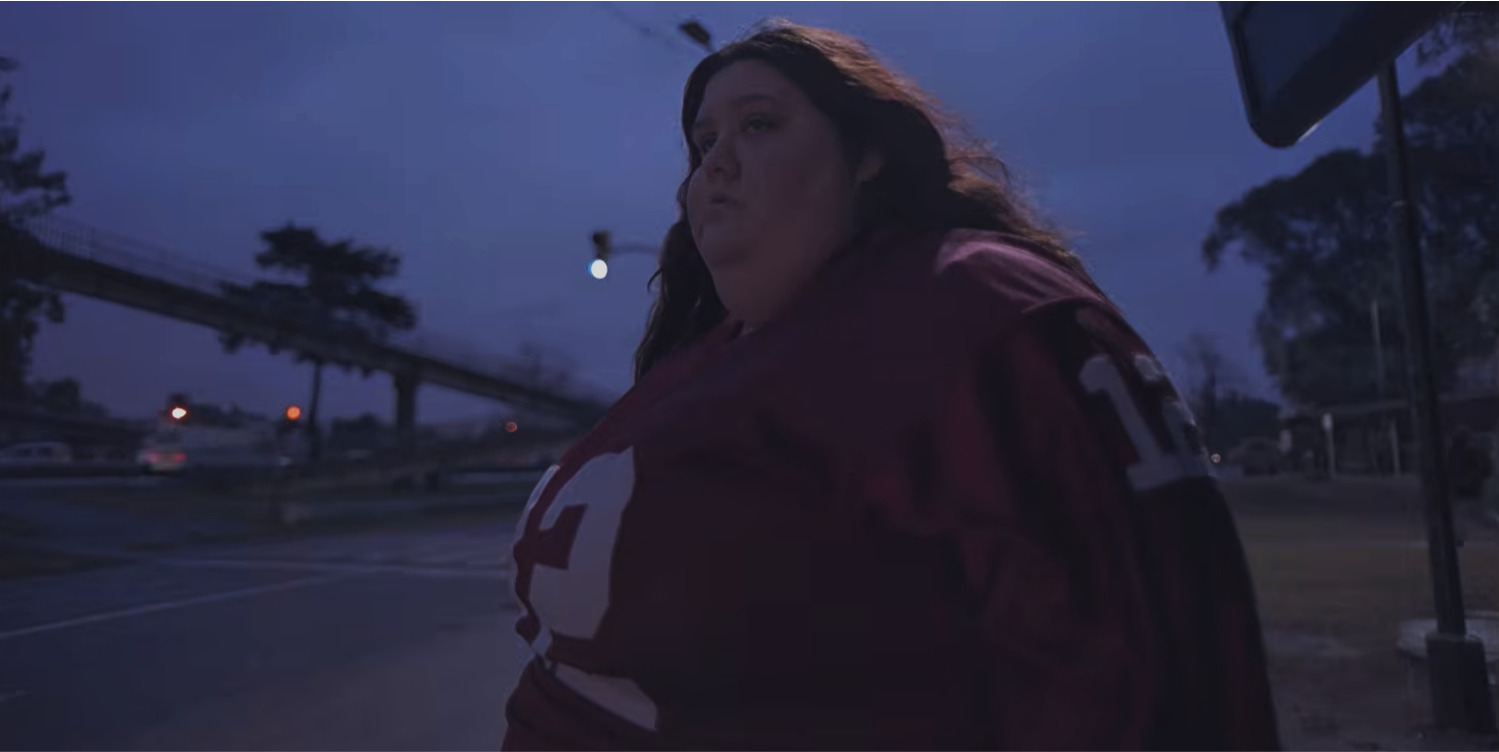
Though we never get a completely honest answer from Ema about what she thinks of these ghosts, it’s fair to say that, in her mind, they are a blend of psychological and spiritual manifestations. She further goes on to state that they are the direct result of traumatic effects and longings, and while this is never verified, it is as strong an interpretation as any. The entire town getting contaminated, as such, can also be seen as their collective trauma about the recent murders coming to life. Julie’s death merely triggers all of this into place, jolting the town into confronting its own dark side. There is also the fact that the townsfolk, who begin to hear ghosts, are drinking water mixed in with Julie’s rotting flesh, which can serve as an extended metaphor for how she was being forced to take drugged water as part of her treatment.
Though Julie takes her own life under tragic circumstances, the thoughts going on in her head in that moment are not quite self-destructive. On the contrary, she perceives this as an expression of love, where she can unite with the spirits at last. Where Ema has her own unique relationship with the ghosts in her life, she also likes to maintain some distance. Julie, however, brings to the front a possibility of the two worlds colliding, and it scares Ema, at first at least. By the end of the story, however, she seems comfortable dining with both Julie and Susanna at the table, not treating them as relics of the past who don’t belong there but as active members of the family. It’s because of this shift that Susanna stops crying at last, and Julie seems happier than ever.
Where is Tomas? Where Does Lidia Go?
Despite Julie’s body being recovered, and there being little doubt in the family’s mind about her identity, the authorities hesitate in confirming that the dead body is hers, on the grounds of how decomposed it has gotten. A furious Lidia also refuses to give her DNA to run confirmation tests, and with that, the case is doomed to remain unclosed forever. In a way, though, this perfectly mirrors Julie’s place in the world, as an entity who is neither quite there nor here. Though her passing away seems to have changed the shape of the city altogether, Lidia and Tomas’ reaction to it turns out to be completely opposite, where the former decides to leave the city for good in the hopes of moving, while the latter finds himself trapped within it.
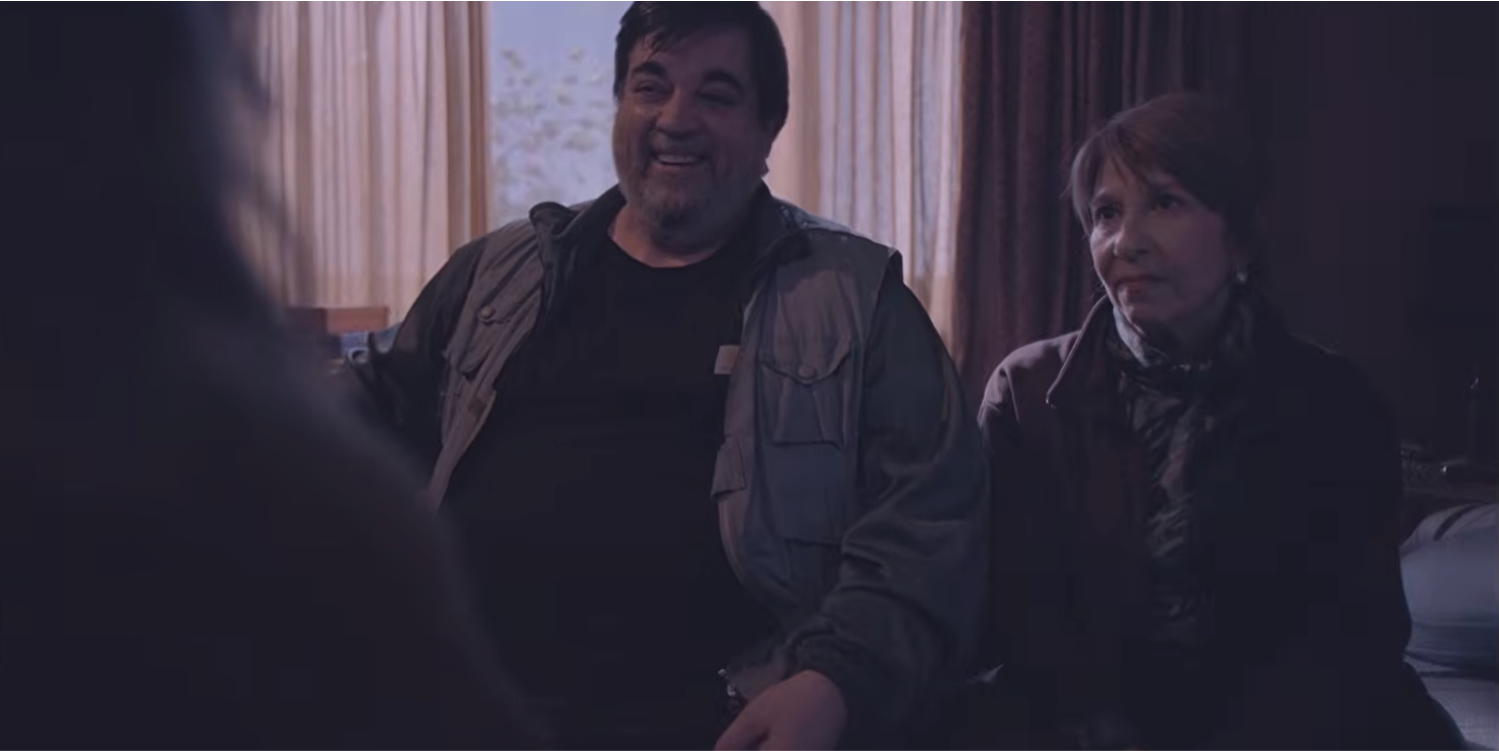
After first hearing Susanna’s voice and putting two and two together, Tomas seems to do a complete 180 regarding his opinion of Julie. Though he originally was on board with sending her to an institution, it was based on his belief that she was merely imagining people and voices. Having confirmed those ghosts to be true, however, Tomas decides to leave the house in search of his daughter, chasing down every inch of the city in order to hear her voice. He also goes as far as to drink as much of the city’s contaminated water as possible, and by the end of the story, he seems to have retained the ability to hear ghosts more than anyone else. In doing so, however, he implicitly comes to believe that his daughter is dead, and that is before her body is even discovered.
Tomas’ desperation to hear his daughter’s voice is ultimately due to his guilt over having betrayed her in life. Even at the end, when the story seems ready to move on from this peculiar phenomenon, Tomas doesn’t stop looking, only to be burdened with the sounds of the ghosts suffering, as if that’s his divine punishment. Lidia, on the other hand, decides to go on that vacation she always dreamt of, except this time Tomas is not with her. Though she feels cold and dismissive at first, it isn’t hard to notice that this, too, is an extremely unhealthy coping mechanism, where Lidia prefers to run away from the pain or bury it far within than to confront it. Ultimately, however, both parents will have to learn to live with their guilt.
Will the Town Get Back to Normal? What Happens to Caro?
Once the city’s water tank is completely drained of its contaminated water and refilled, the effect slowly seems to fade away, and by the end, it appears that things have returned to just how they were before. This is evidenced by the fact that Caro can no longer hear the ghosts of Susanna and Julie, and has to rely on Ema to describe what she sees and hears. We also get a tease of this future in Tomas’ last scene, as he alone seems to be affected by the cacophony of mortal fear surrounding him. That doesn’t mean, however, that the city doesn’t understand what he and Ema are going through, as more or less everyone seems to have been contaminated once before, and can no longer deny the supernatural nature of their world.
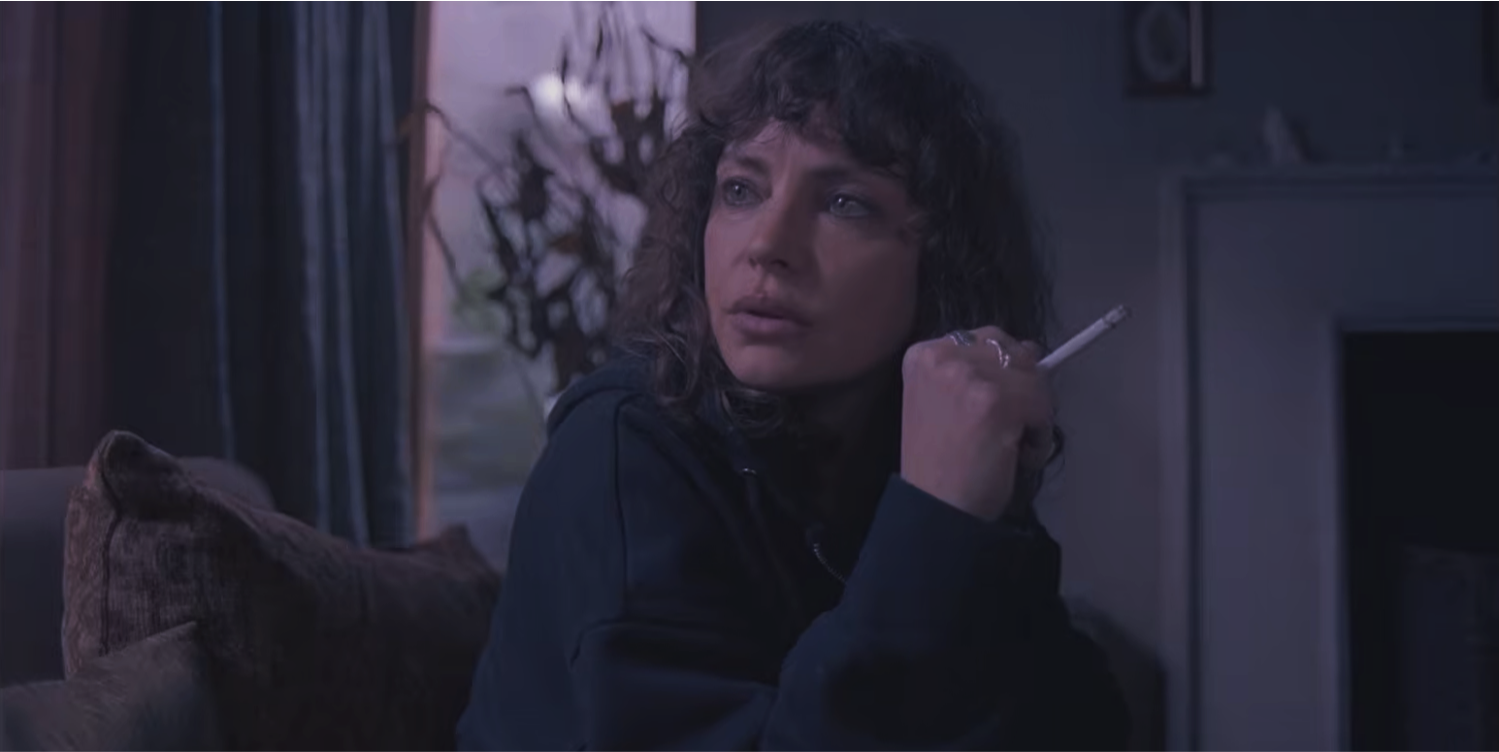
While the events of the series can technically be explained as a psychological or chemical illness spread because of the contaminated water, such an excuse is hardly enough to sate the conscience. It’s not just that people were confronted by the voices of the dead, but rather that each such interaction seems to force a change in their lives. We see this unfold most clearly in none other than Caro, whose relationship with her mother has been marred by misunderstandings because of this particular phenomenon. Caro feels upset at how Ema can seemingly solve the problems of the dead and bring them comfort, but cannot do the same for her own daughter. By the end of the show, though, Caro finds a new perspective on how difficult it is to hear the world mourn, and how one’s own living relationships can be obscured by those voices if one is not careful.
Read More: Where is My Sad Dead Filmed? All Shooting Locations

