
 Abhiroop Das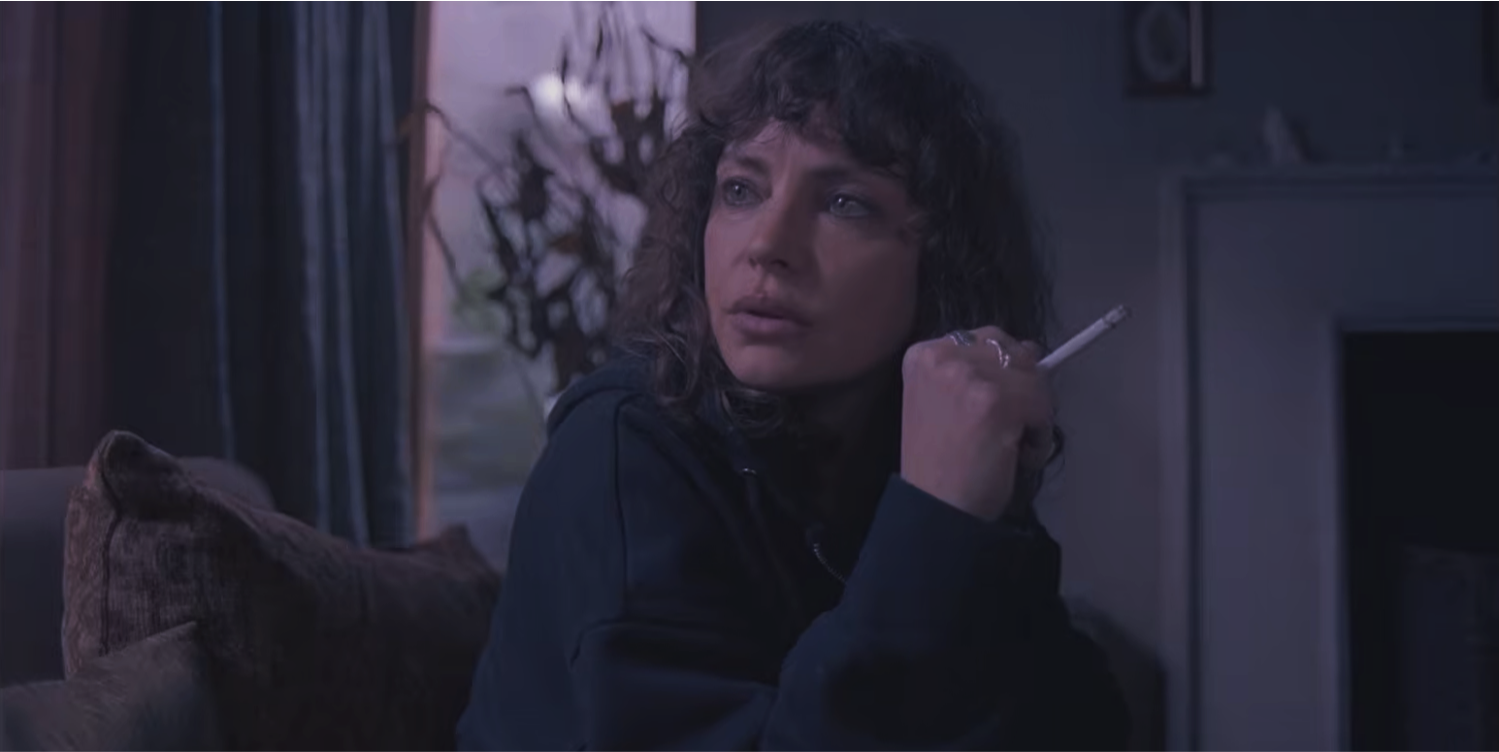
Helmed by Pablo Larraín, ‘My Sad Dead,’ follows a world where ghosts are seemingly real, and only visible to a select few. Dr. Ema, recently retired and grieving the death of her mother, is among the ones who can talk to the dead and peek into the final moments of their lives. Though she appears to have made peace with this added dimension to living, that rhythm gets upended when her niece, Julie, comes to visit. Julie secretly has the same ability as well, and shortly thereafter, the story leaves Ema’s grip entirely, only for the entire town to face the brunt of this phenomenon, regardless of whether they signed up for it. In taking on a supernatural theme, the Netflix series, also known as ‘Mis muertos tristes’ in Spanish, peeks into the darker corners of humanity and how the trauma of the past can seep into the present in various forms.
My Sad Dead is a Constellation of Four Short Stories Loosely Inspired by a Real Tragedy
‘My Sad Dead’ is an adaptation of four fictional short stories by the Argentinian writer Mariana Enríquez, titled ‘My Sad Dead,’ ‘Julie,’ ‘A Sunny Place for Shadowy People,’ and ‘When We Talked to the Dead.’ While the stories may be thematically linked, they weren’t originally conceived as one interconnected narrative. That vision comes from director Pablo Larraín, who told Mariana that he saw her stories as belonging to a shared universe. This became the basis for the show, which blends together four tales with Dr. Ema as the protagonist, and the character of Julie being reimagined as her niece. While the stories may deal heavily with the supernatural, their inspirations can be traced back to real-life tragedies and Mariana’s personal experiences.
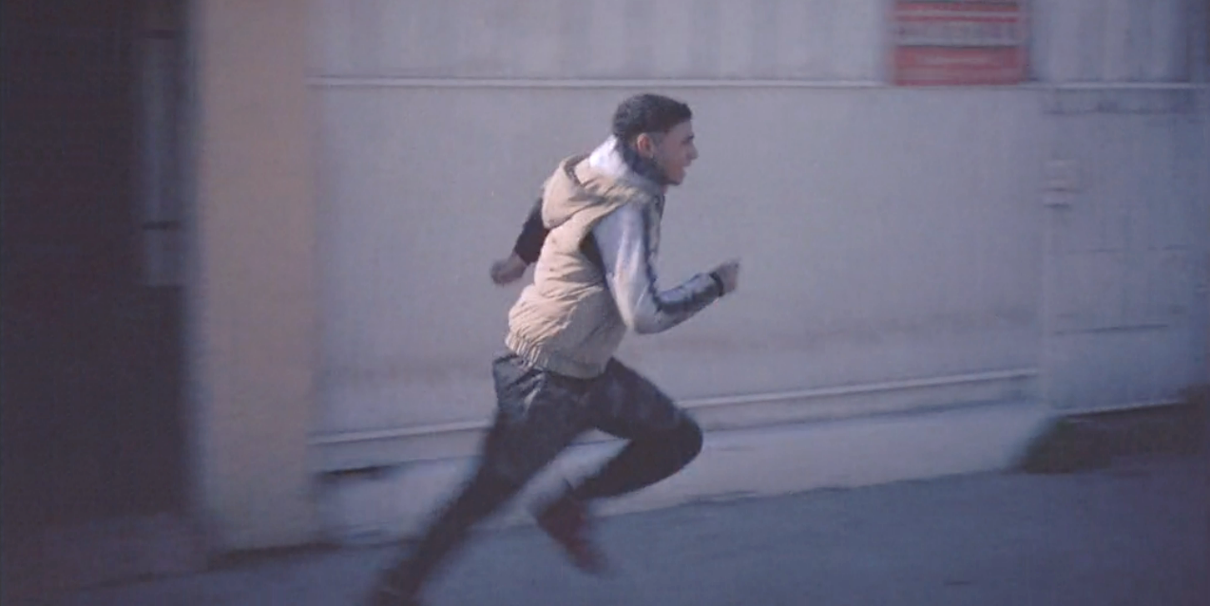
The central idea for the short story ‘My Sad Dead’ came from the 2010 kidnapping and murder of Matías Berardi, a 16-year-old Argentine boy, who was targeted by a criminal gang while returning home from a graduation party in Buenos Aires. Matías was initially held captive as part of an extortion plot, but he briefly managed to escape. He ran through the area around Ingeniero Maschwitz looking for help, knocking on doors and telling people that he was being kidnapped; however, a few members of the kidnapping group reportedly chased him down and falsely shouted to the neighborhood that he was a thief. The deception contributed to people refusing to intervene, and Berardi was eventually recaptured by his kidnappers and murdered, with his body being discovered on September 29, 2010.
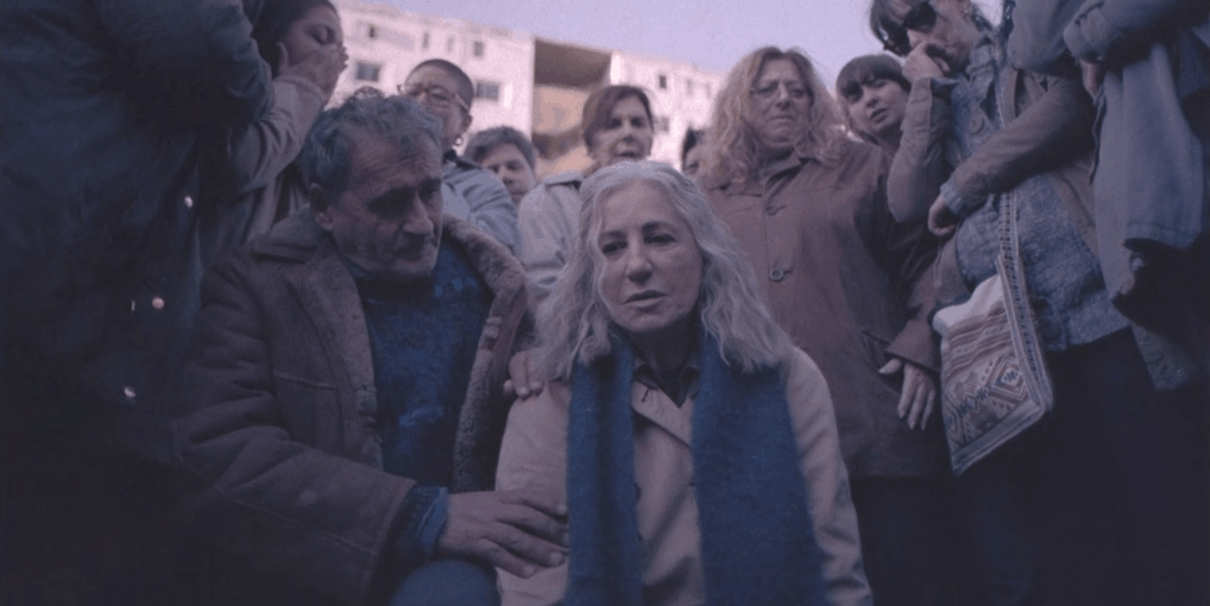
All 11 people involved in the plot were eventually caught, convicted, and sent to prison across two federal trials, but the true story of Matías’ death has remained etched into the public consciousness. Author Mariana Enríquez was particularly struck by the details of this case and what it said about humanity at large. In a conversation with Ohlala!, she described Matías as a ghost of that neighborhood, in a symbolic rather than literal sense. Her story dramatizes Matías as a character, in which the fact that he is a supernatural entity serves to highlight collective guilt and the anxieties of the neighborhood. That said, not all the details of the story are drawn directly from real life, and both Mariana and the series’ writing team took substantial creative liberties in crafting the narrative.
My Sad Dead Serves as a Portrait of Contemporary Social Realities
The plot of ‘My Sad Dead’ also loosely draws on a few autobiographical elements. For instance, author Mariana Enríquez’s mother is a doctor who worked in a public hospital just like Ema does at the beginning of the series. That’s not all, as Mariana also told Infobae that the ability to talk to the dead, as depicted in her works, is vaguely based on her own family’s claims about interacting with the supernatural. Mariana has noted that one of her aunts claimed to see her grandmother in various places, while her mother has experienced unexplained smells that she interprets as omens. While there is no scientific basis for such anecdotes, they nonetheless shaped the creative fabric of the short stories, in which family dynamics are developed in parallel with the story’s more imaginative elements.
Another reference point for Mariana, particularly when coming up with the character of Julie, was the horror film ‘The Entity,’ where the protagonist, Carla Moran, is repeatedly attacked and sexually assaulted by a malevolent force. Mariana began to consider a flipside to the story, in which a sexual relationship between humans and ghosts is consensual, and thus the story arc of Julie was created. Another short story follows a girl who jumps to her death in a water tank, and Mariana noted that this, too, is based on a real-life incident, though she didn’t reveal any specific details.
The larger theming that defines both the book and its Netflix adaptation, however, is the relationship between memory and trauma, not just on an individual level, but on a societal level. In a conversation with El País, Mariana connected the story’s ghosts to the way societies deal with violence and suffering, and then went on to describe Argentina as living through a recurring cycle of crises. The ghosts in her story, then, serve as a manifestation of this loop, connecting the past with the present and making way for broader social commentary.
Read More: My Sad Dead: Why Can Ema and Julie See Ghosts? Are They Real?

