
 Saagar Kote
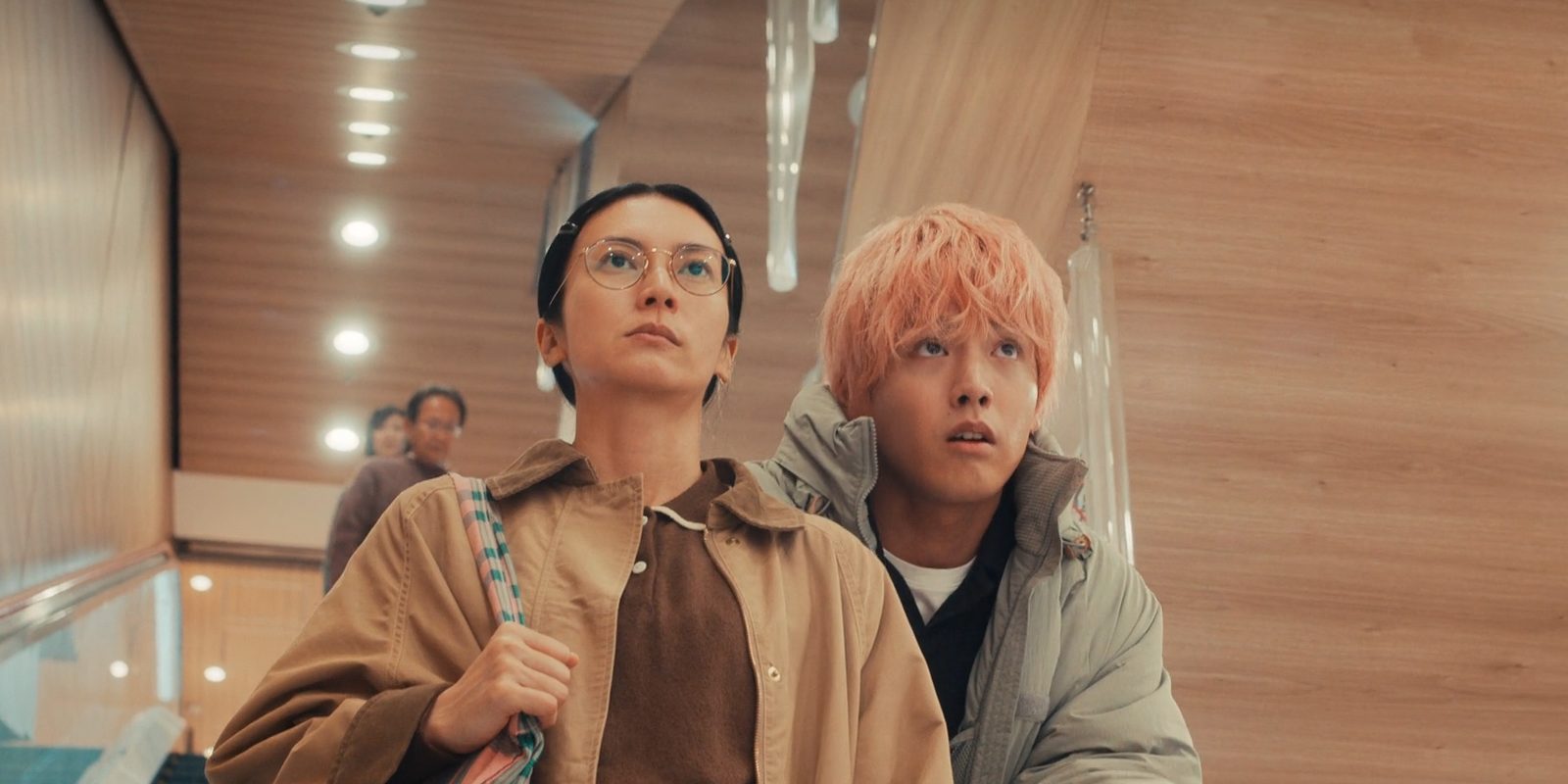
Directed by Hiroki Kazama, Netflix’s ‘One Year to Live, Buy a Man’ or ‘Yomei Ichinen, Otoko wo Kau’ centers on Yui, a 40-year-old woman who has spent much of her life being frugal and worrying about financial security. Her otherwise monotonous routine takes an unexpected turn when she is diagnosed with cervical cancer. With only a year left to live, she refuses chemotherapy and decides to spend her remaining time pursuing happiness instead. As part of this new approach to life, Yui pays Sena, a handsome man in his late 20s, to keep her company.
What begins as a transactional arrangement gradually develops into a meaningful bond as the two grow closer and enjoy spending time together. However, as Yui’s condition worsens and the prospect of death becomes increasingly real, she begins questioning her decision to give up treatment. She also wonders whether Sena can offer her the sense of purpose, connection, and belonging she has long been missing. The Japanese romantic drama film is a poignant take on death, life, liberation, and love.
One Year to Live, Buy a Man is a Fictional Story That Reflects the Essence of Toriko Yoshikawa’s Novel
Penned by Yoshikazu Okada, ‘One Year to Live, Buy a Man’ is based on Toriko Yoshikawa’s novel of the same name (Japanese title) and offers a heartwarming tale of hope. While both the novel and the film feature fictional stories, they delve into the complexities of death and how one perceives it. The narrative intricately sheds light on the realities of living with cervical cancer. Yui’s choice not to take chemotherapy is widely discussed through the lens of bodily autonomy. While cancer’s danger is not downplayed, the story is more interested in how Yui’s refusal of treatment changes her view of life itself.

Having effectively embraced death, Yui stops worrying about spending and attempts to buy whatever she can. The film also explores the morality of hiring someone to satisfy one’s physical and emotional need for connection. This is where the relationship between Sena and Yui becomes more complex to perceive as good or bad. The story doesn’t take sides, but conveys the arguments for and against paid companionship and commercialized emotional intimacy through the views of diverse characters. Yui and Sena’s relationship is also unique because of their age gap, Sena’s vulnerability, and Yui’s desperation to find a sense of belonging before her death.
The story also comments on how the pressure to achieve financial independence can sometimes drive people to adopt a more reserved approach to life. In terms of cinematic language, ‘One Year to Live, Buy a Man’ is comparable to director Jonathan Levine’s ‘50/50,’ filmmaker Rob Reiner’s ‘The Bucket List,’ and ‘Me and Earl and the Dying Girl,’ brought to life by Alfonso Gomez-Rejon. Like these films, ‘One Year to Live, Buy a Man’ is both a commentary on cancer and a study of layered characters.
One Year to Live, Buy a Man Navigates the Life of a Nightclub Host
In ‘One Year to Live, Buy a Man,’ Sena works as a host at a nightclub, a unique profession in Japan. A host club is a type of nightlife establishment in Japan where male employees, known as hosts, entertain female customers through conversation, companionship, flattery, and drinks. The experience usually centers on non-sexual companionship rather than physical intimacy. Sena’s professional duties give him a very different view of life, as he sees people from various walks of life entering the club.
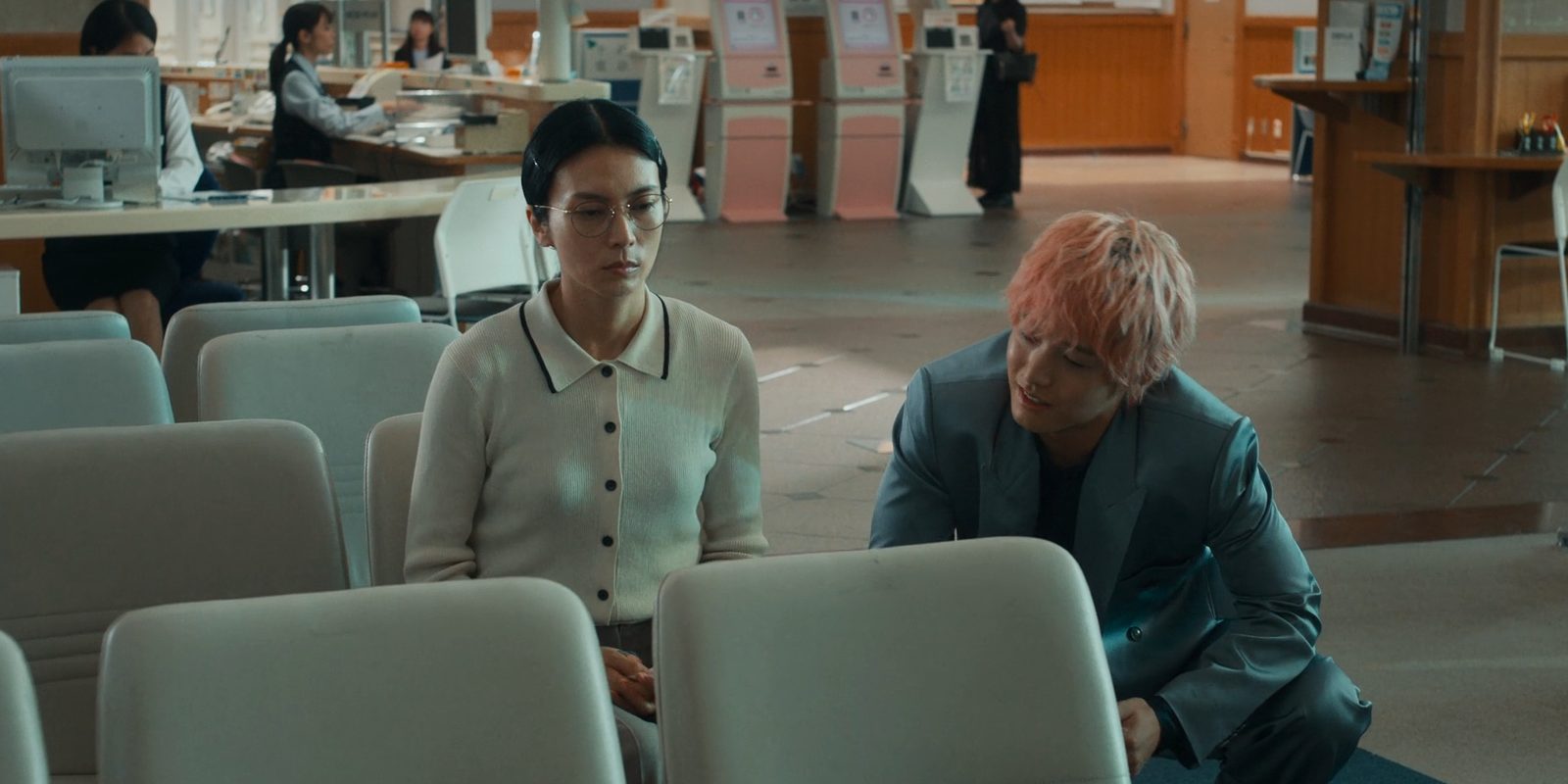
While being a man trained in the art of pleasing people, Sena doesn’t expect his bond with Yui to test him in so many ways. The story also depicts whether money can truly influence how a relationship goes forward. The clash between genuine human bonds and transactional relationships is also at the heart of the story, making it a layered commentary on loyalty as well. Despite its dark themes related to death, the narrative uses humor and simplicity to celebrate life as a journey of choices and possibilities.
Read More: Is The Giant Falls Based on a True Story?

