
 Abhiroop Das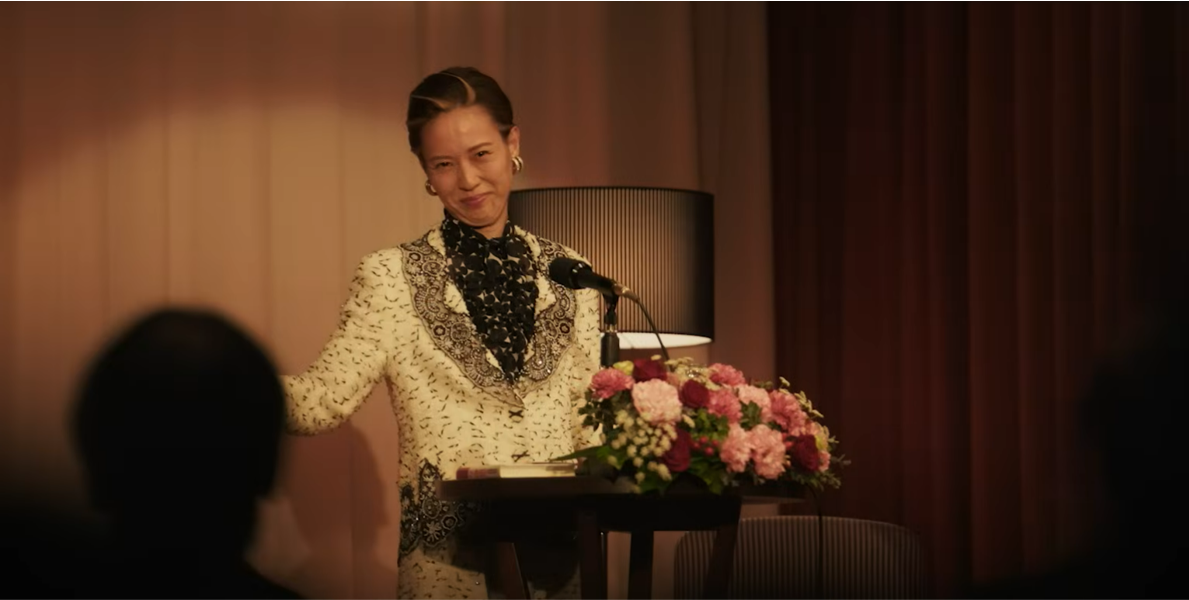
Helmed by Norichika Ôba and Tomoyuki Takimoto, Netflix’s ‘Straight to Hell,’ also known as ‘Jigoku Ni Ochiru Wa Yo,’ journeys alongside Kazuko Hosoki across several decades, spanning her rise as a television mogul. Though the show is partially based on the life of the real-life Kazuko Hosoki, a world-famous fortune teller, novelist, and media personality, it adds fictional elements to show just how many hurdles she has faced throughout her life.
However, not everything Kazuko does in this show is clear-cut or moral, and novelist Minori Uozumi learns this the hard way when she begins work on Kazuko’s biography. By the end of this Japanese biographical drama series, Minori has to choose between the many sides of truth she comes across, but at the finish line lies an even greater challenge: whether or not Kazuko wishes to, or rather, is prepared to face this rendition of her past, present, and future. SPOILERS AHEAD.
Straight to Hell Plot Synopsis
‘Straight to Hell’ begins from the perspective of Minori, a budding novelist who fears she may be a one-hit wonder. For her second work, she chooses to take on a biography of Kazuko Hosoki, a famed fortune teller and writer whose past remains a mystery. As a one-on-one conversation is arranged between these two people, the story dials back several decades, returning to Kazuko’s childhood in postwar Tokyo. Desperate for food and resources, she winds up planning and then failing a con before resorting to eating an earthworm. Later, as a teenager, she helps out her mother at a bar before finding a glamorous job at a cabaret. Though she begins developing feelings for the cabaret’s manager, that changes when he tries to coerce her into sex work. Pushed to her limit, Kazuko nearly takes her own life before deciding to start from scratch.
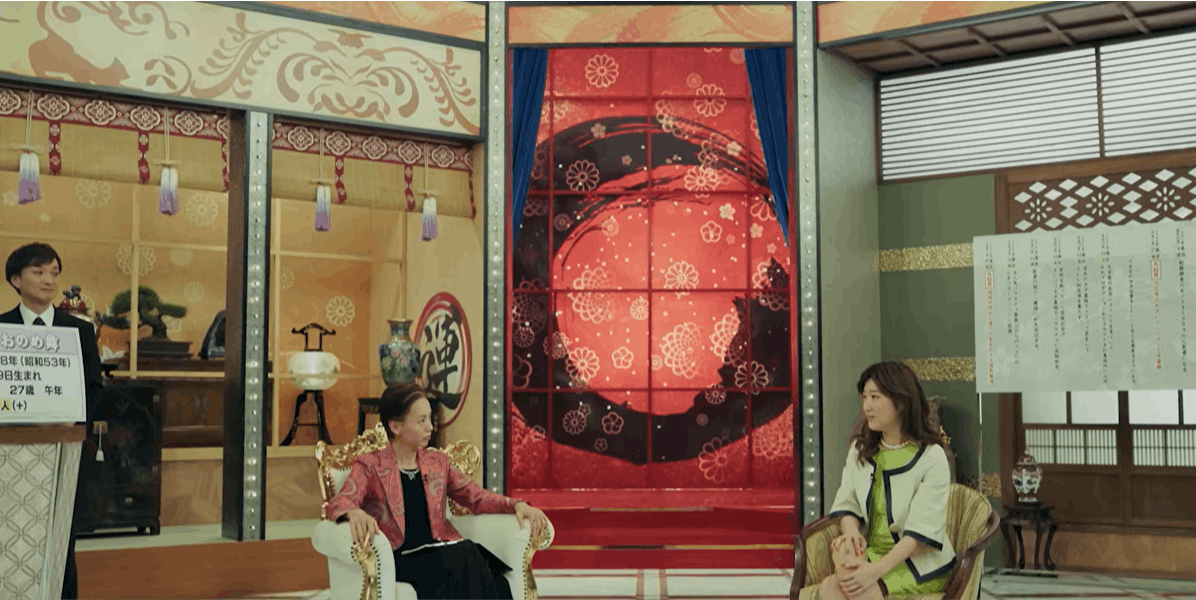
After kickstarting a fast-food diner, Kazuko devotes herself to the development of high-profile clubs at Tokyo’s Ginza district, which is famous for its nightlife. After raising three successful clubs, she meets a charming man named Sudo, who desires to build the best international club in the city. Though Kazuko, having fallen for him, invests hundreds of millions of yen into the project, this turns out to be an elaborate scam. Sudo disappears after bankrupting Kazuko, forcing her to associate herself with a Yakuza leader, who sexually abuses her while cashing in all of the profits. Things change when Kazuko meets Masaya, a Yakuza gambling leader who concocts an elaborate plan to return the club’s ownership to her.
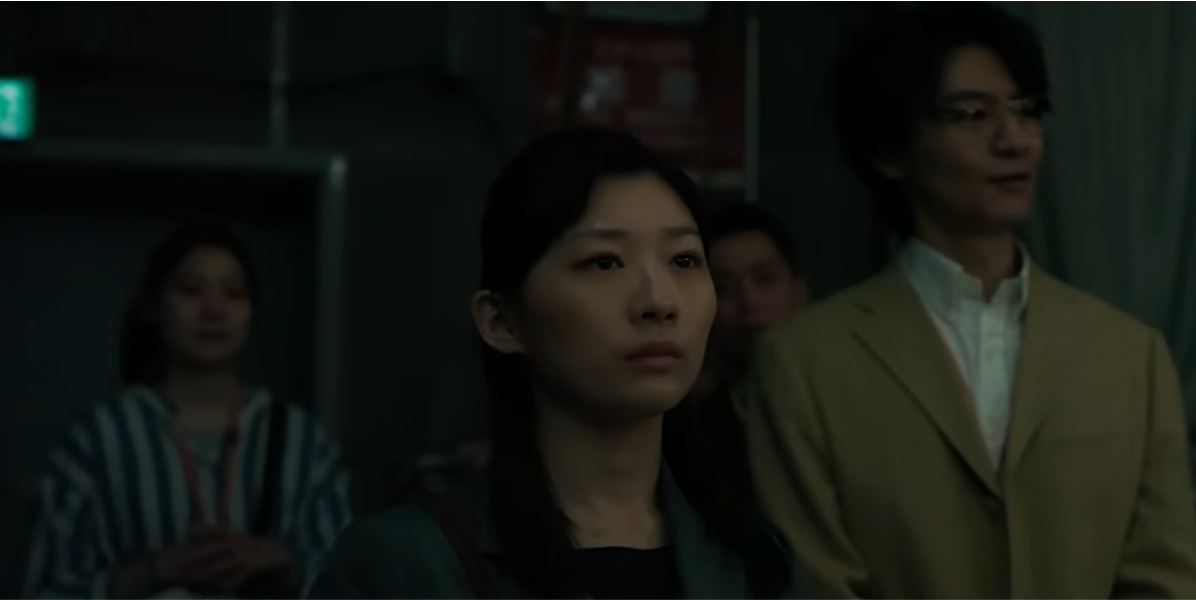
Kazuko and Masaya soon fall for each other and begin a relationship, and all the while Kazuko rebrands her clubs as discos and regains her lost fame. Around the same time, she also saves popular singer Chiyoko Shimakura from an economic crisis, in return collaborating with her for year-round singing shows. However, at this point in her research, Minori encounters a few troubling details and conflicting perspectives. As it turns out, Kazuko was taking the bulk of Chiyoko’s earnings for herself, all the while overworking the singer.
Masaya, no longer wishing to be a part of this, comes clean to Chiyoko and has an affair with her, causing his separation from Kazuko. Minori also comes across controversy surrounding Kazuko’s marriage to Masahiro Yasuoka, a spiritual advisor who laid the groundwork for her field. As the contentions grow, Minori begins the biography from scratch, this time involving perspectives that are sure to invite Kazuko’s wrath.
Straight to Hell Ending: Does Minori’s Book Get Published?
‘Straight to Hell’ ends with Kazuko ripping Minori’s manuscript to pieces, but secretly contemplating whether it should be introduced to the wider world. In effect, the book finds itself imprinted in Kazuko’s mind, forcing her to reconcile with the sides of herself that she has buried deep down. Though a part of Minori knows and understands that her work might never see the light of day, she is satisfied by the fact that Kazuko is the one reader it finds. Earlier in the story, Minori recounts that she found the motivation to resume writing after she discovered her young daughter trying to parse through the complex words. In effect, Minori has always written empathetically for a single audience, and while it is her daughter for her debut novel, it becomes Kazuko for the biography.
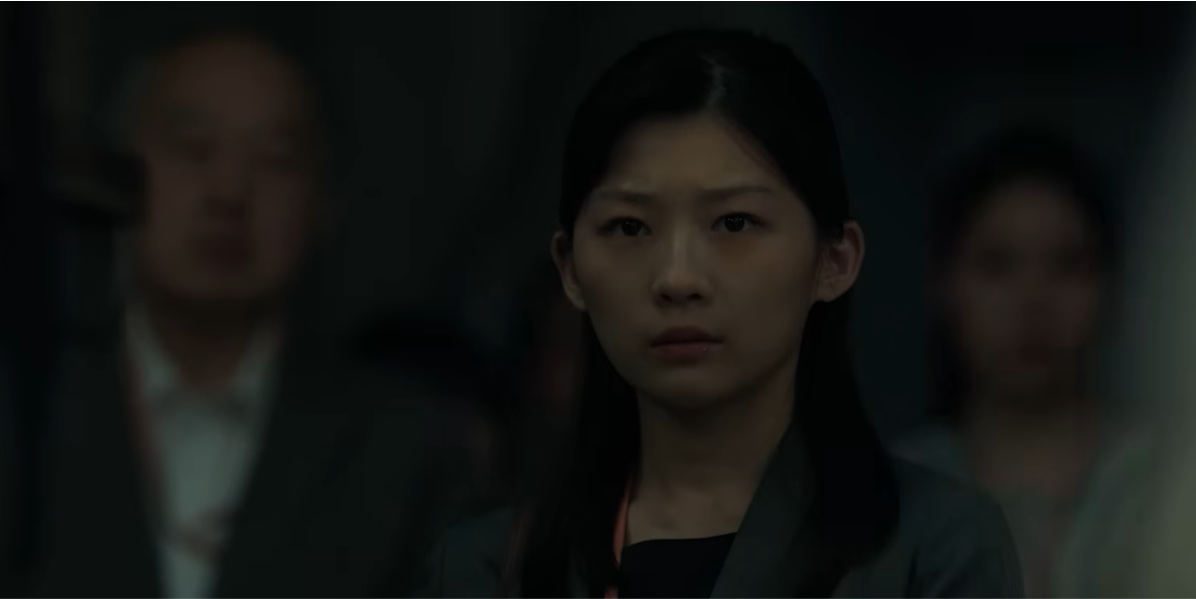
The shift in the author-reader dynamic also comes as a reversal of roles for Kazuko and Minori, as the duo started out with something akin to a mother-daughter bond. Kazuko even makes it explicit by referring to Minori as a daughter-like figure she has wished for her entire life, which is what makes their argument all the more tragic. Kazuko also holds a long-term guilt of deserting her mother in her old age, and with that lens, she perceives Minori’s writing as a betrayal. The truth, however, lies in how Minori deliberately doesn’t align herself with any fixed narrative. Instead, what she creates is effectively a commentary on facades, allowing the reader, in this case, Kazuko, to interject her own projections. Fittingly enough, the book is titled ‘Self Portrait of a Facade,’ which binds both Minori and Kazuko under one narrative plane.
Though Kazuko throws away the manuscript in front of Minori, the final sequence suggests that she might not be fully committed to the idea of letting it go. Initially, she commissions the work solely as an image-corrective measure, pitting Minori against her journalist ex-husband in a battle of narratives. However, by the end of the show, having recognized Minori as an independent person, she begins contemplating whether such exploitative writing is the right way to go. However, her desperation to lead a fabricated existence eventually overrides any desire to come clean, and the final piece of narration confirms that she never went ahead with publishing Minori’s magnum opus. However, that doesn’t stop the book from manifesting in other ways.
Why Does Kazuko See Her Child Self? Does She Feel Regret?
Just as Kazuko tries to let go of the manuscript, she ends up wandering into a dreamscape where her child self, specifically from the day she ate an earthworm to survive, stands. The imagery comes to life as a matter of contrast, as while both figures of Kazuko are wearing red, their physical states are worlds apart. Kazuko, who was once a weakened, bruised, and starving child on the brink of death, looks back at herself at the height of her powers, surrounded by wealth and elegance. The one thing that stays unchanged, however, is her radicalized conception of survival. From her childhood onwards, she internalizes a predator-prey dynamic where the individual categories are not written in stone, but can be seized. To that end, this confluence of past and present finds its tragedy in how circumstances have warped Kazuko beyond recognition.
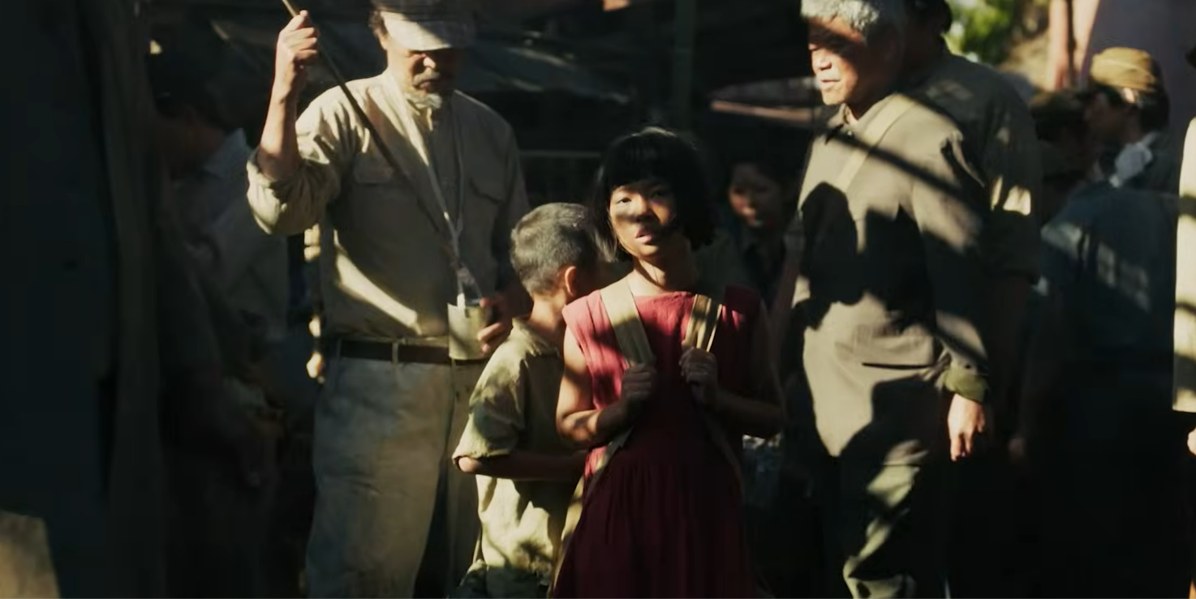
Though the show acknowledges how Kazuko is partly a sum of her lived experiences, it purposefully doesn’t provide a definite answer to the question of nature vs. nurture. Minori astutely points out that Kazuko may have developed a twisted perspective in light of her traumatic experiences, one that doesn’t hesitate to repeat the cycle at the cost of others. We see glimpses of this when Kazuko gets inebriated and talks about how she exploits male sex workers for what happened to her in the past. However, the full picture comes to Minori after she researches Kazuko’s dynamic with people, even women, who are similarly suppressed by society. To that end, her vision of her child self takes on a new meaning, this time warning her of how she has enabled a cycle that harms those just like herself. However, by the time Kazuko realizes that she might have severely misstepped in life, it is already too late.
Does the Article Come Out? Is the Truth About Kazuko Revealed?
During the final narration of ‘Straight to Hell,’ Minori states that the article about Kazuko’s shadier activities was ultimately released, ushering in waves of similar articles and serializations dedicated to unraveling what was considered the fortune teller’s “true self.” Though Kazuko denies the accusations at first, the controversy eventually grew big enough to call for her social boycott. Very soon, she is asked to step out of her television show and cease most of her public appearances, though the story doesn’t quite end there. After bidding goodbye to one medium, she merely pivots to the internet, soon launching an app that makes her Six-Star Astrology an even bigger phenomenon. Minori ends her narration on a rather ironic note, rejecting any notions of a black or white conclusion.
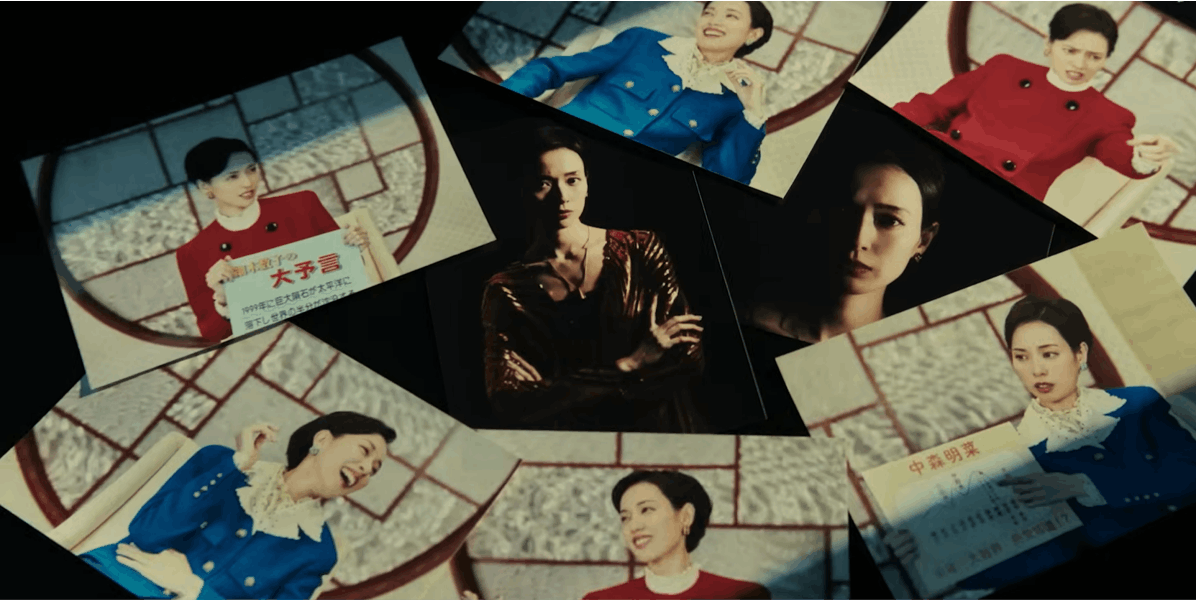
While the articles composed by Minori’s ex-husband are largely informed by what the people affected by Kazuko have to say about her, where they fall short is in balancing the perspective. What Minori concludes across her research is not that Kazuko is necessarily a good or evil figure, but that her journey is as multifaceted as the history of Japan. Even her method of fortune telling, which becomes a major subject of criticism in the news articles, is based on her lived experiences, which she finds reiterated in the lives of women like her. While there may be some truth to what the articles state, it undercuts a larger, more nuanced perspective on who Kazuko is.
Why is Kazuko Smiling at the End?
The final scene of the show breaks the fourth wall as Kazuko smiles at the audience, who are framed from the perspective of the imagined, child version of her. Though her expression is ambiguous by itself, it can be interpreted as her response to the entire story itself, particularly in its commentary on her past and present. The narration about Kazuko’s endgame success also plays into this metanarrative quality, as Minori notes that Kazuko ultimately won everything she ever wanted in life. Though Kazuko’s life is one marked with setbacks, her journey of triumphing over each obstacle takes a grey shade when we look at the finer details. From a broader perspective, however, her life gets enveloped in layers of truths and lies to the extent that all we see is just a possible simulation of the events as they transpired.
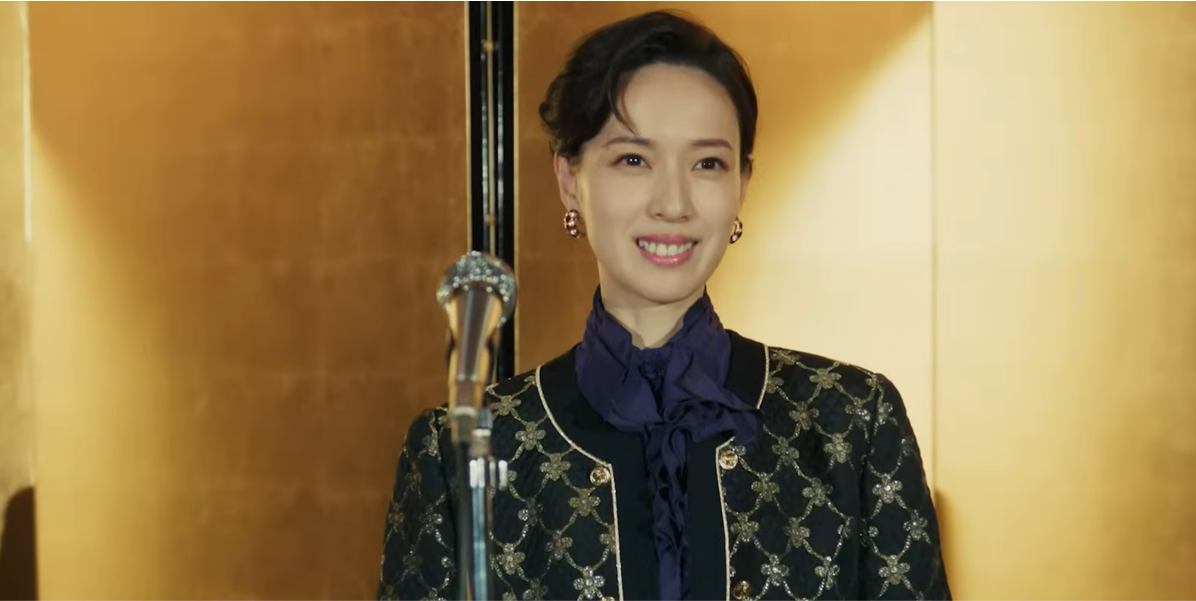
Kazuko’s smile gets a different, darker connotation during the second half of the season, specifically when it’s accompanied by a signature caressing of the lips, which itself often heralds a malicious act on her end. As such, her final smile stands as the culmination of this twisted gesture, where she looks at a hallucinatory version of herself simultaneously as a version that she has surpassed, and a version she has successfully alienated from her conception of self. While the laugh can be read as a symbol of her submitting to the life of darkness, there is also a tinge of sadness to it, where it perhaps denotes that the only thing Kazuko can do is laugh in the face of her life’s absurdity.
Read More: Is Netflix’s Straight to Hell Based on a True Story?

