
 Aahana Swrup
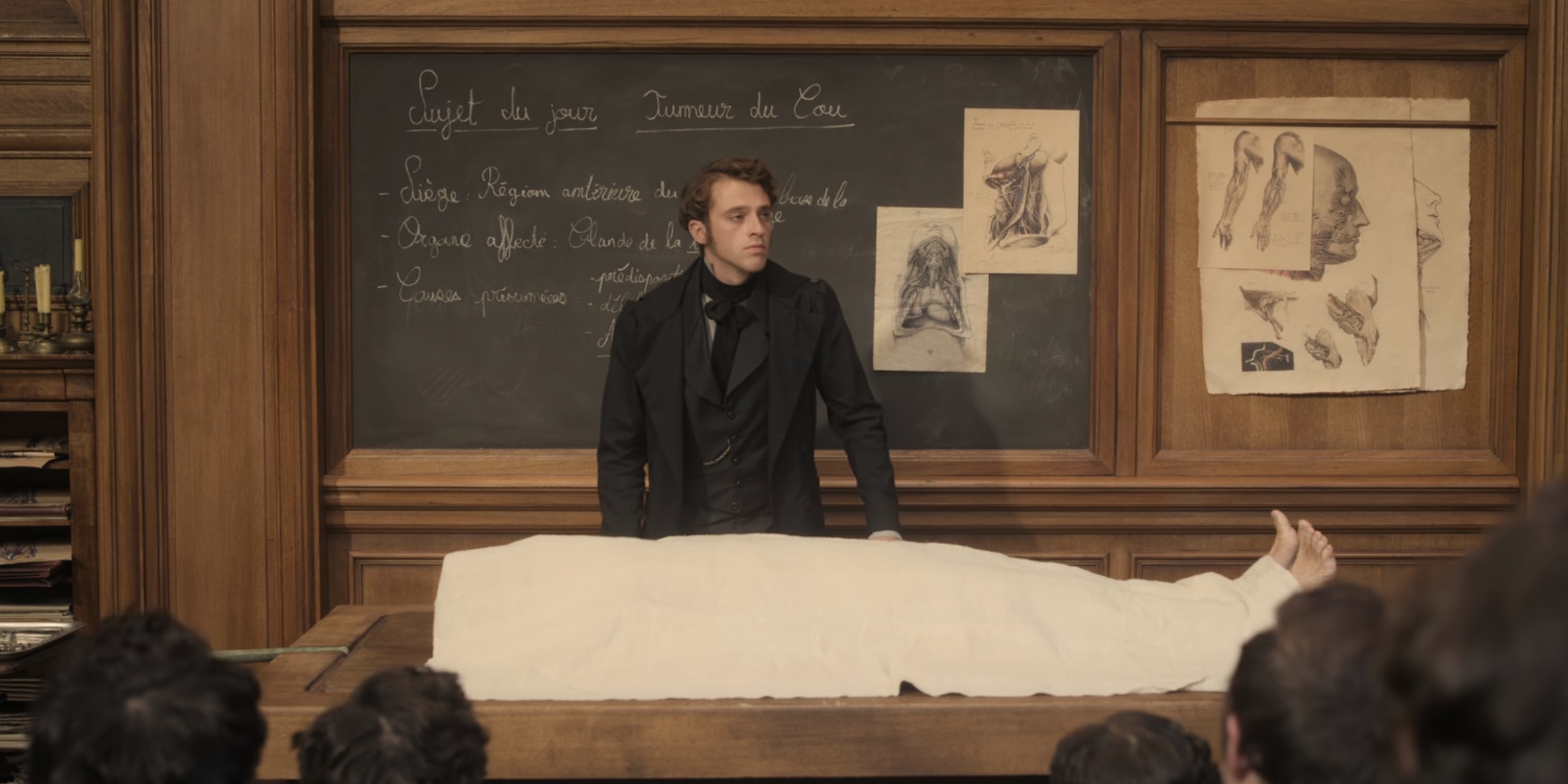
In ‘The Hunchback, Soul of Paris,’ the Hôtel-Dieu becomes a place of simultaneous horror and haven for many. In 1830, the streets of Paris are being ravaged by a rapidly growing cholera outbreak that claims its victims in the hundreds. Thus, the head doctor at the establishment, Gaspard de Tournier de Vaillac, becomes obsessed with finding a cure for the disease, no matter the cost to his coffers or his morality. For the same reason, when he comes across a sculptor living with a hunchback, who seems to sport some sort of immunity to the disease, he recruits the help of the city’s Chief of Police to bring the man to Hôtel-Dieu.
In his quest to rid society of sickness and ailments, Gaspard has grown ruthless and regularly puts the ill under his knife to study their conditions with no regard to their ultimate well-being. Since he plans a similar treatment for Quasimodo, his hospital ironically turns into a place where the sculptor’s death in the name of science is all but confirmed. Therefore, Hôtel-Dieu becomes a crucial element in the story, hanging over the disease-infested city like an omen of death.
The Real Hôtel-Dieu in Paris Housed the Sick and Dying During the Cholera Outbreak of 1832
Despite being a fictional story, ‘The Hunchback, Soul of Paris’ finds some tangible basis in reality due to its historical setting. As a result, certain elements, such as the Hôtel-Dieu, end up retaining a direct connection to reality. Hôtel-Dieu, which can be translated as God’s Shelter, is a building and institution that can be found in French-speaking countries. They were originally built as a hospital for the needy, but admitted a wide range of people in need. The Catholic Church was responsible for running these places for many centuries.
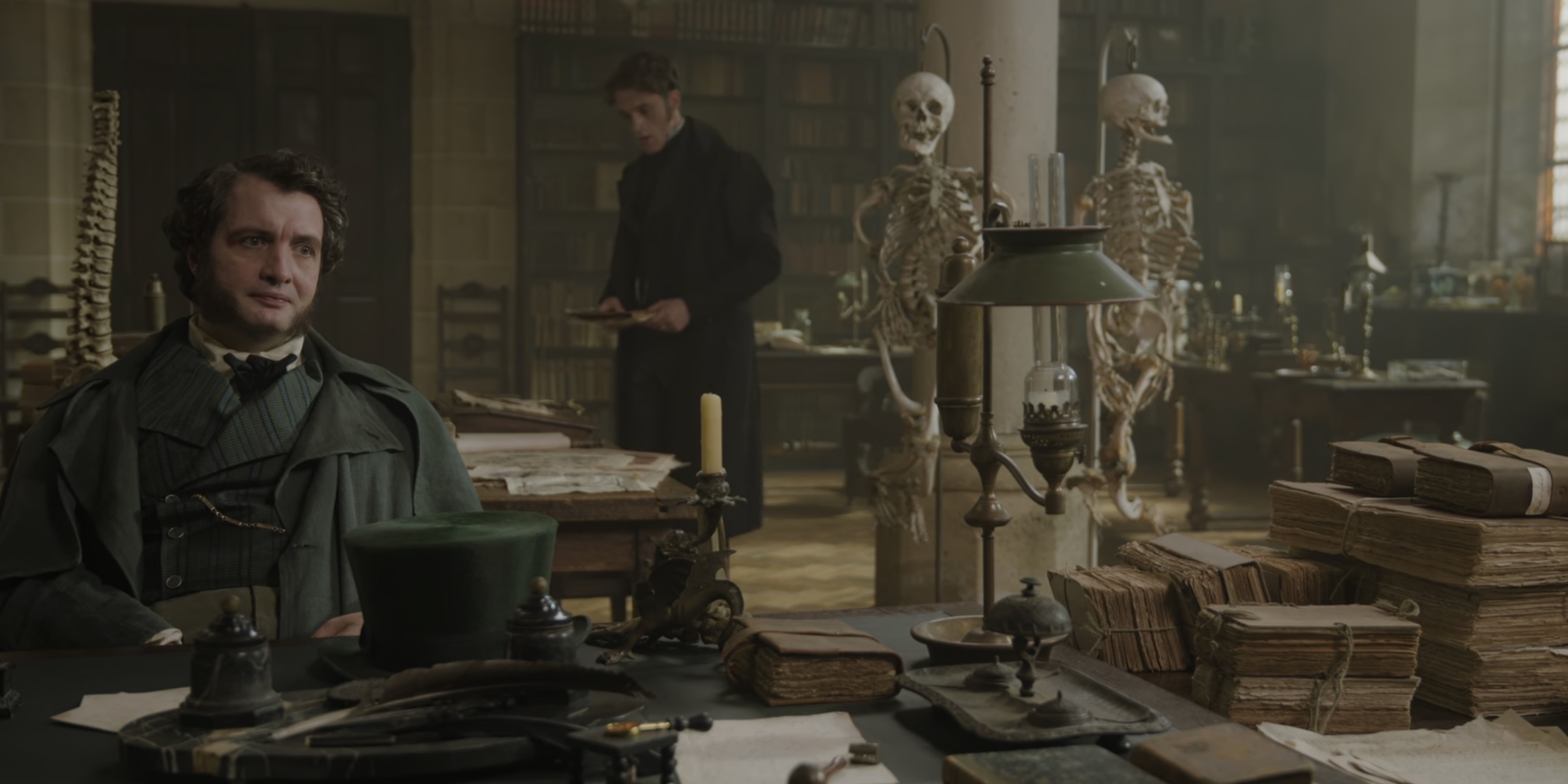
The Hôtel-Dieu that is located in Paris played a significant role at a pivotal point in the city’s history during the 1830s. In 1832, Paris experienced a great cholera epidemic which ultimately killed 20,000 people. During this time, the city’s public hospital, Hôtel-Dieu, received numerous patients, most of whom died inside the establishment’s walls. One notable story surrounding the epidemic involves a masked ball on the night of March 29th, during which multiple people contracted the disease and had to be rushed to Hôtel-Dieu.
Therefore, while the film’s depiction of the establishment’s head doctor, Gaspard de Tournier de Vaillac, is fictionalized, the hospital itself remains rooted in history. However, the visuals of the location aren’t from the real hospital located on Île de la Cité in the 4th arrondissement of Paris. The on-screen Hôtel-Dieu de Paris was rebuilt for the film at the city’s Sorbonne University. The woodwork in the establishment was redressed to better match the film’s chromatic palette, which evoked the architecture and interior design of the 1830s. Additionally, the location’s atmosphere as a hospital was heightened through the inclusion of museum-loaned pieces for the set design.
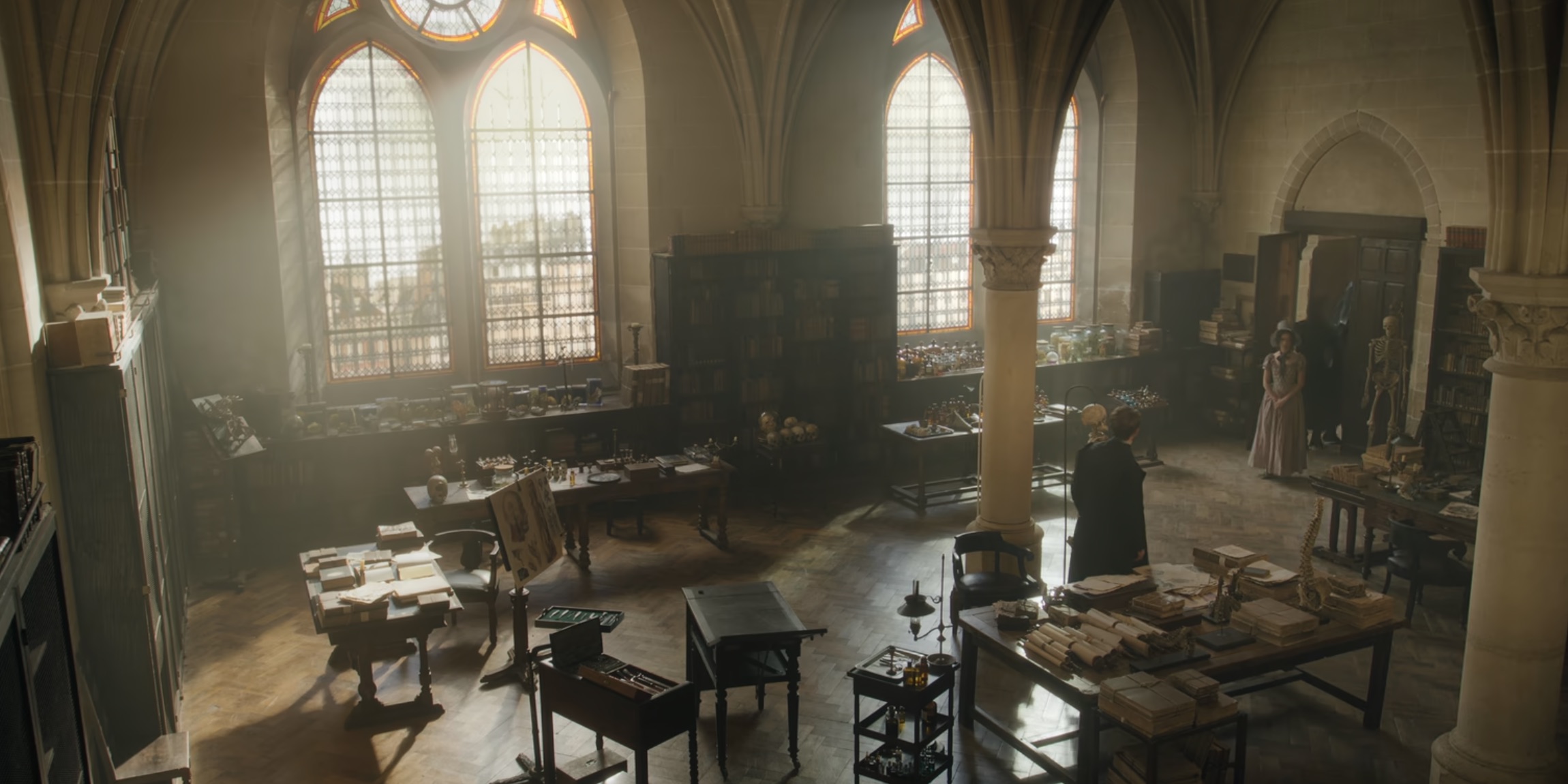
Consequently, the film’s depiction of Hôtel-Dieu largely remains connected to its real-life counterpart. Even so, it’s worth noting that the film tinkers with historical timelines, which creates chronological discrepancies. Although cholera arrived in Paris in 1832, the film takes place in 1830, a time of significant social upheaval. At the time, an insurrection was brewing among the city’s population, which resulted in the July Revolution. This revolution becomes a notable addition to the overarching storyline. Ultimately, though based in reality, the on-screen Hôtel-Dieu remains impacted by the film’s fictionalized confines.

