
 Aahana Swrup

Originally titled ‘Quasimodo, L’âme de Paris,’ ‘The Hunchback, Soul of Paris’ transports viewers to the rebellious streets of Paris in 1830. The city is under fire from a devastating cholera epidemic as well as a restless populace who are discontented with their King Henry X en masse. In these unruly times, a doctor named Gaspard de Tournier de Vaillac finds himself in desperate and ruthless pursuit of a cure for the seemingly indomitable disease. Therefore, when he comes across Quasimodo, a stonemason with a hunched back, who seems to be immune to the sickness, he becomes obsessed with getting him under his scalpel at any cost.
As the city’s Chief of Police, Lacour helms this search; he discovers the stonemason’s apparent adoration for a street actress named Agnes. However, when the officer attempts to use the Egyptian woman as bait, his brutish methods invite the ire of the peasant communities at large. Meanwhile, an up-and-coming novelist named Hugo observes as these events unfold around him. The inclusion of the author, paired with the story’s resemblance to the classic ‘The Hunchback of Notre-Dame,’ is bound to invite intrigue about the French film’s potential roots in reality.
The Hunchback, Soul of Paris Imagines a Fictitious Backstory For Victor Hugo’s Novel
‘The Hunchback, Soul of Paris’ charts a largely fictitious tale that bears no direct basis in reality, outside of its historical setting. Even so, the film sports an extensive and intriguing origin story that weaves a thread of connection between historical accounts and the work of the celebrated French author, Victor Hugo. The screenplay is penned by Éric Besnard and Edgar Marie, who drew significant inspiration for the story from ‘The Hunchback of Notre-Dame,’ the Romantic author’s Gothic novel published in 1831. However, rather than adapting the novel itself, the film presents an interesting, albeit fictional, premise about its genesis. In the film, Quasimodo, Hugo’s literary protagonist, is portrayed as a real man who faced hardships in Paris in 1830.
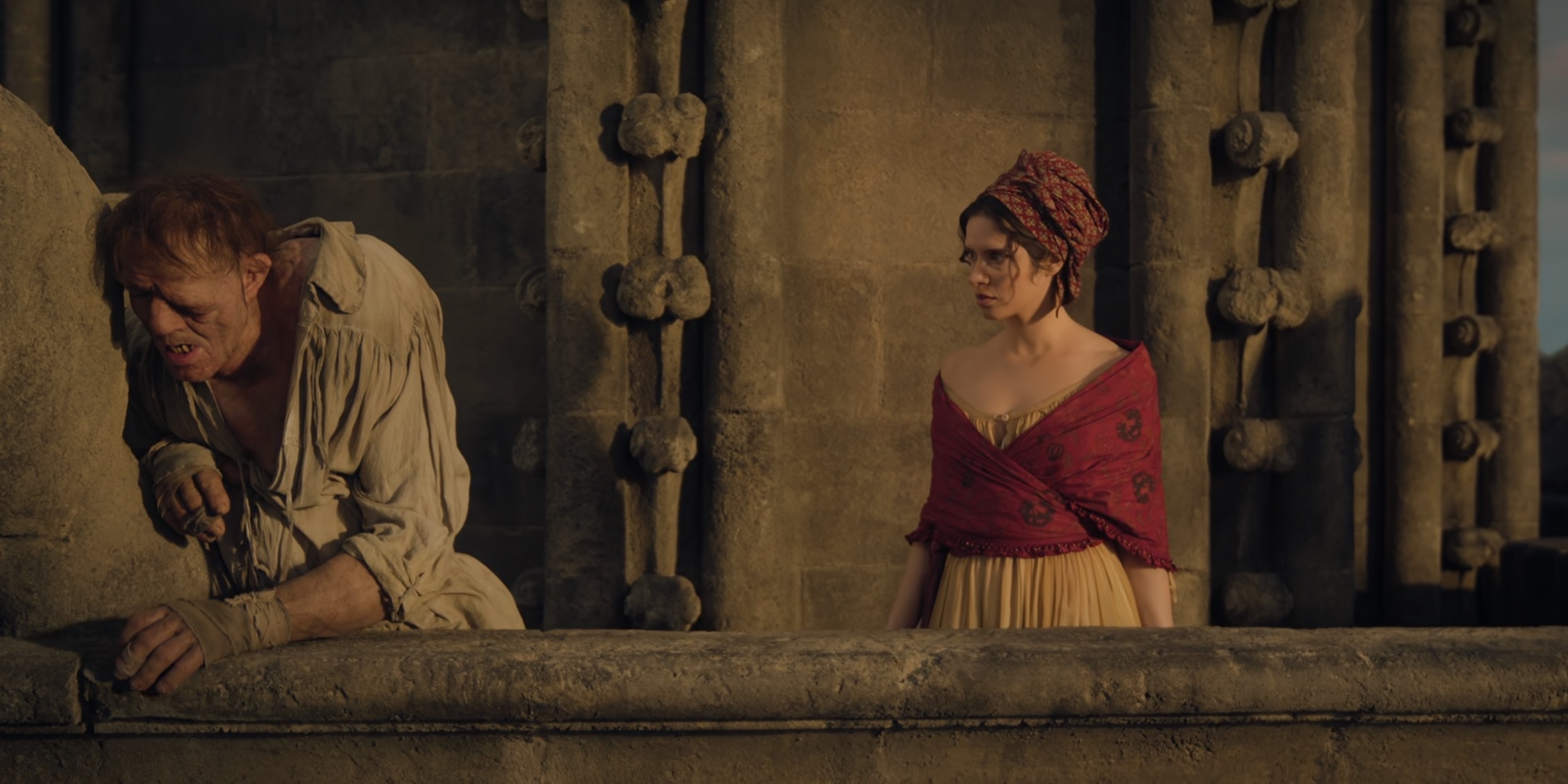
Hugo, also fictionalized in the film as an on-screen character, hears of his tale, which eventually inspires him to write the novel he publishes the following year. In reality, a historical theory speculates whether Hugo could have indeed been inspired by a real person in creating ‘The Hunchback of Notre-Dame’ and its protagonist, Quasimodo. The theory stems from a modern discovery by English archivist Adrian Glew. In 2010, while working at the Tate Britain in London, the archivist discovered a handwritten autobiography of a sculptor named Henry Sibson. In it, the artist shares stories of his time in Paris in the 1820s when he was hired to work on the government-ordered restoration of the Cathedral of Notre Dame. During this time, he came across a stonemason with a hunchback who worked alone in the building.
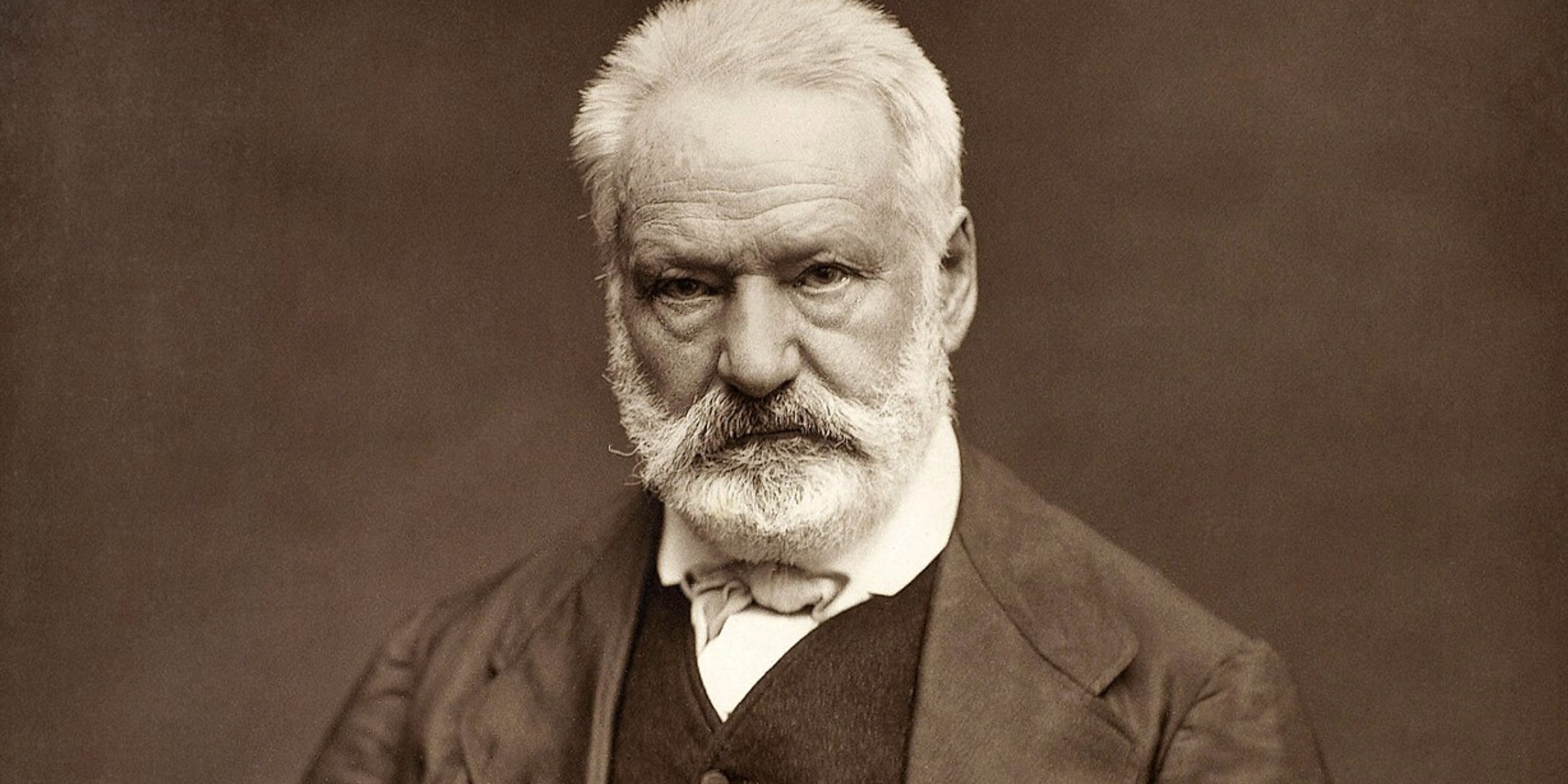
Around the same time, Hugo was also living in Paris, in the 6th arrondissement. Notably, he frequented the Cathedral as part of his literary research. In 1830, the author drew a sketch of a sculptor with a hunchback in a manuscript. Consequently, the timing of these historical events suggests that there could have been an actual sculptor working at the Cathedral of Notre Dame in 1830 who inspired Hugo’s future work. Screenwriters Besnard and Marie took inspiration from this same possibility and penned a story bringing an imagined version of such a history to life. Nonetheless, there’s no direct historical or biographical connection between the film and the beloved French author. Similarly, the characters and the events explored in the on-screen story remain equally fictitious.
Gaspard de Tournier de Vaillac is a Fictional Character Whose Storyline Has Some Historical Context
Much like the other storytelling elements in ‘The Hunchback, Soul of Paris,’ its central antagonist, Gaspard de Tournier de Vaillac, is also a work of fiction. Since the film explores the idea of an imagined origin story for Victor Hugo’s novel ‘The Hunchback of Notre-Dame,’ it is set in 1830, the year the author would have begun working on the book. Consequently, the story is situated in a time in a city’s history that holds notable significance. In 1830, Paris saw the July Revolution, also known as the French Revolution of 1830. Lasting over three days, from July 27 to July 29, the revolution eventually led to the overthrow of King Charles X.
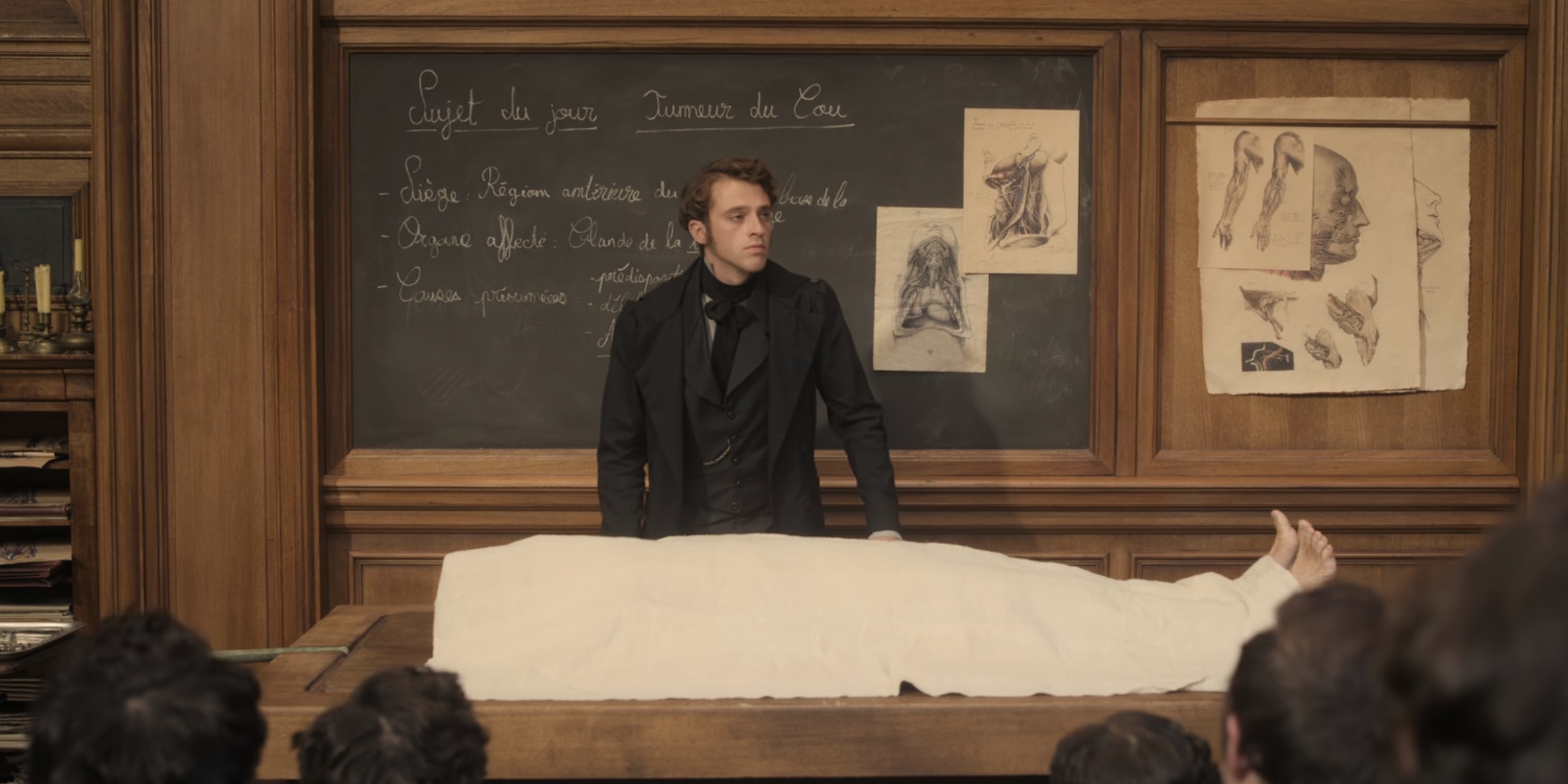
In one of its climactic scenes, the film even recreates the painting ‘Liberty Leading the People’ by French artist Eugène Delacroix. In fact, the characters of Agnes and the young boy from the streets seem to be inspired by the two figures, the flag-bearing Lady and gunslinging kid, at the center of the painting, which commemorates the revolution. Yet, the revolution isn’t the only historical reference in the film’s 1830s setting. The story’s primary drive stems from the epidemic overtaking the streets of Paris. This is a reference to the Paris Cholera Epidemic of 1832.
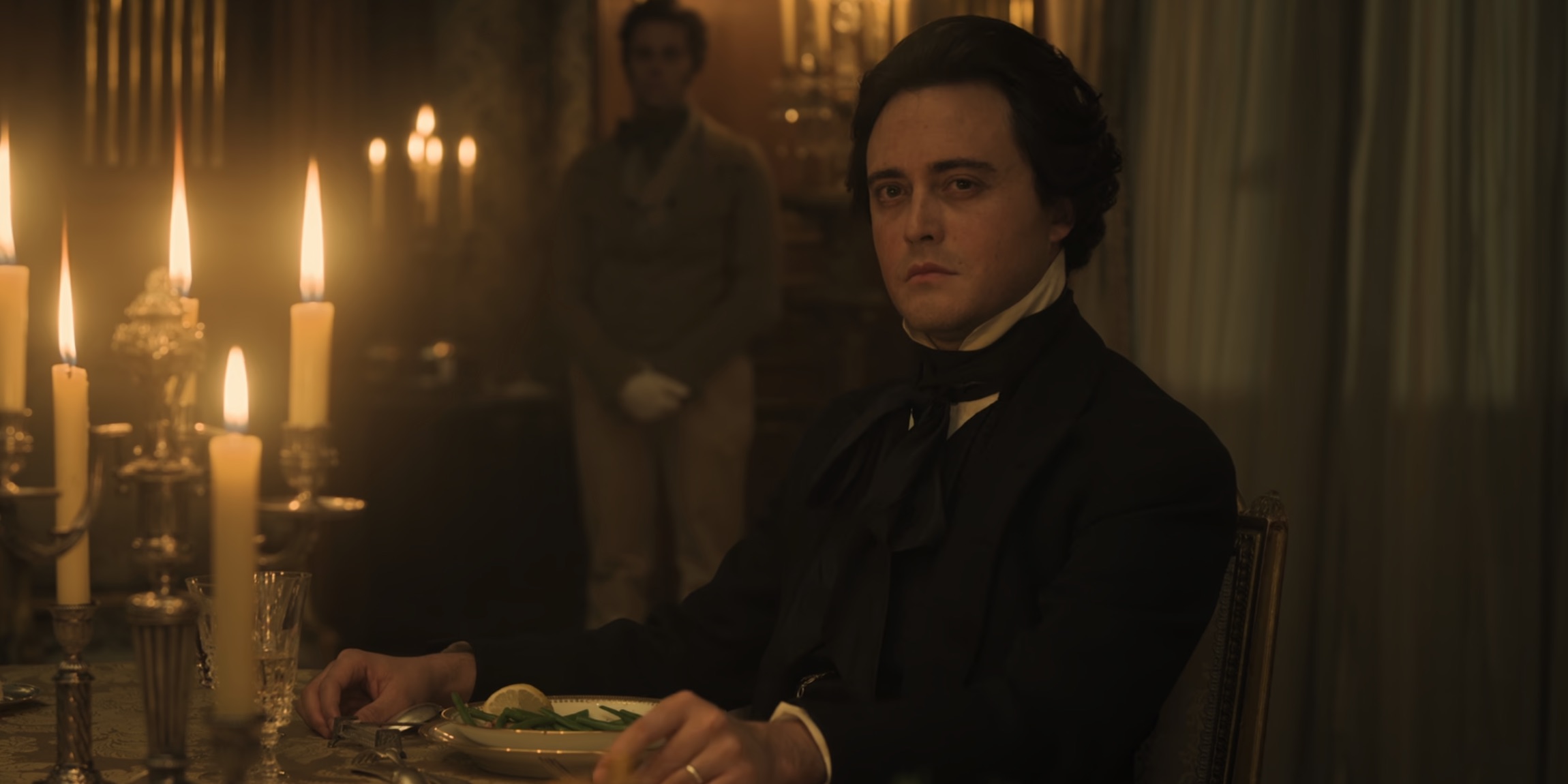
As the disease reached the French city in the 1830s, it killed around 20,000 people in the span of one month. Even so, while the epidemic itself has a historical basis, Gaspard’s on-screen role in the medical management of it remains fictionalized. In real life, there are no accounts of a eugenic doctor who sought to find a cure for cholera through a hunt for a sculptor with a hunch back. Likewise, the story’s depiction of the Parisian citizens’ rage against such a figure becoming social fuel for the July Revolution is also confined within the fictionalizations of the film. Ultimately, while the context surrounding Gaspard’s work in the city has some roots in history, the storyline and the character have no tangible basis in reality.
Read More: Is Always on Call Based on a True Story?

